
Jumphobia: Homeward Bound
10 Level Challenges Unlocked!
Jumphobia: Homeward Bound Developer Blog #5
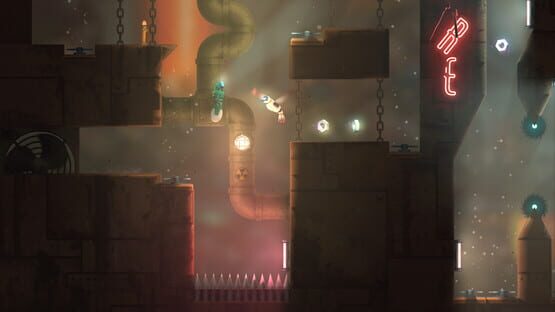
We're back again with another blog, this time talking all about the various suites of music that were composed for the game. I'm Sam, Wix's artist, and while I'm not responsible for most of the game's tracks, my contributions do include the Level Editor theme and the Sewers theme, as well as the music you'll hear in our release trailer.
When we first started discussing how we wanted Jumphobia to sound, I remember strongly suggesting that we look into the sound design of Oddworld: Abe's Oddysey - a Playstation classic that I'm sure some of you will be familiar with. I could already see similarities between Abe's Oddysey and our rough build of Homeward Bound - both were side-scrolling platformers with an emphasis on puzzles, precision and patience (that's a lot of P's!) and they also both featured a grimy, dystopian setting.
The Oddworld game also featured a style of music called leitmotif, which is where it seems as if the sounds of the actual surrounding environment are coming together to form the music, giving it a very organic feel. We passed this on to our composer, Becky, who we've worked with on many of our games, and left her to do her thing!
After a while, we got to hear a few of the tracks she'd produced, starting with the Outlands, Scrapyard and title themes. At the request of Simon, the music style had been heavily influenced by the band Bicep, and had a hypnotic rhythmic style that combined both clean and grungy, electronic and acoustic impressions, as dichotomous as that may sound! I myself was getting strong Mirror's Edge vibes from these tracks, which was aesthetically one of my favourite games of all time, so I was very happy!
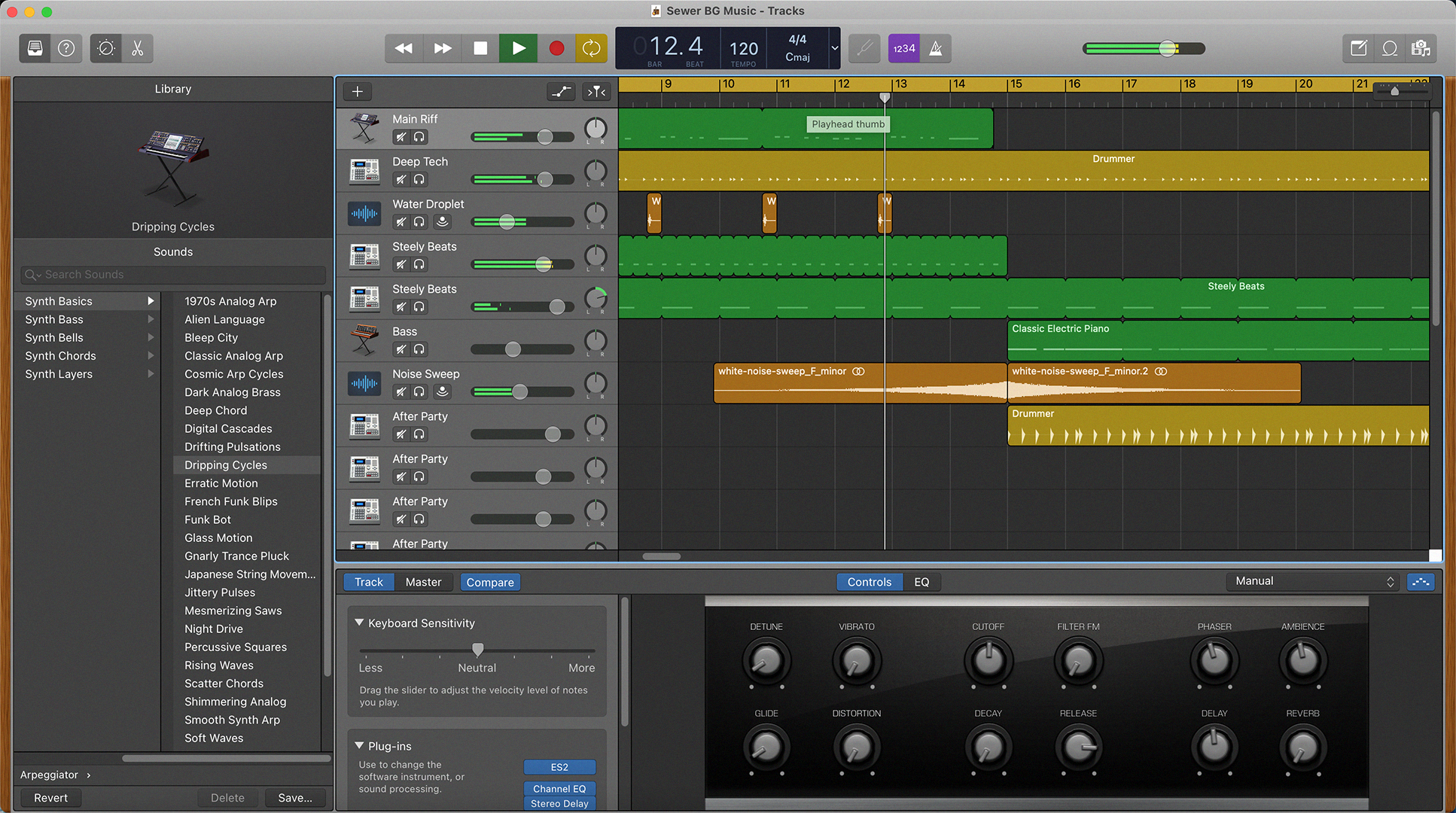
Later on in the development, I decided it'd be fun to make a sixth, secret hub world for people to discover after the story mode had been completed, and a sewer area was what first jumped to mind. So, over the next few weeks, I got to it, creating everything we'd need to make this possible, including the background music. While the majority of the game's tracks were composed in a far more professional setting, I on the other hand was restricted to the humble Garageband - a great Macintosh application in its own right, but hardly the industry standard! I tried to keep the feeling of the music inkeeping with the other tracks, and also stayed true to the "leitmotif" idea from earlier, incorporating the sounds of various drips, cranks and clangs throughout. The result is what you can hear in-game, and I think it fits rather well!
During this time, Simon had been branching out and searching for inspiration in titles similar to the game we were making, playing things like Ori and Mario Maker. From this, we came to the decision that we'd ideally like the music in each of our levels to change intensity in accordance with how much was going on around the player. And so, the next frontier of Jumphobia development began! This meant going back to every single song in the game, and picking them each apart into 3 different levels of intensity: a low, medium and high. While it was a painstaking process, it definitely pays off in-game and helps to enforce certain moods for each room in each given level, giving it either a chill, light feeling, or a more stressful and serious one, where you'd need to have your guard up from start to finish.
The end result is a varied yet admirably cohesive score, providing the highest highs and the lowest lows required to get the player fully immersed in the worlds we've created. Sound design can either make or break a game - I think a lot of people underestimate the impact it can have on an audience over time. The overall goal is to keep it complimentary to what going on on-screen, so as not to overpower the whole experience. If there's even one tiny sound in there that annoys the listener, it's going to be an annoyance EVERY time they hear it, not just the first few. I hope you've enjoyed this little look into the behind the scenes of the dev cycle, and we hope to see your levels popping up in Level World from time to time! See you on the other side!
Check the game out for yourself here, and be sure to add it to your wishlist!
https://store.steampowered.com/app/1781380/Jumphobia_Homeward_Bound/
Sam
Lead Artist @ Wix Games
Jumphobia: Homeward Bound Developer Blog #4
When making or playing any video game, the amount of fun you’ll have often comes from how well balanced the difficulty is. Whether you are playing a shooter where you can choose the level of difficulty, or a platformer where it is tailored and presented to you. Finding the balance between laughably easy, challenging, or outright unfair is something many games fail to perfect, but in most cases you want to be aiming for somewhere in the middle. When you factor in scaling difficulties, new mechanics, exploits or overpowered abilities, finding that balance becomes harder and harder to achieve.
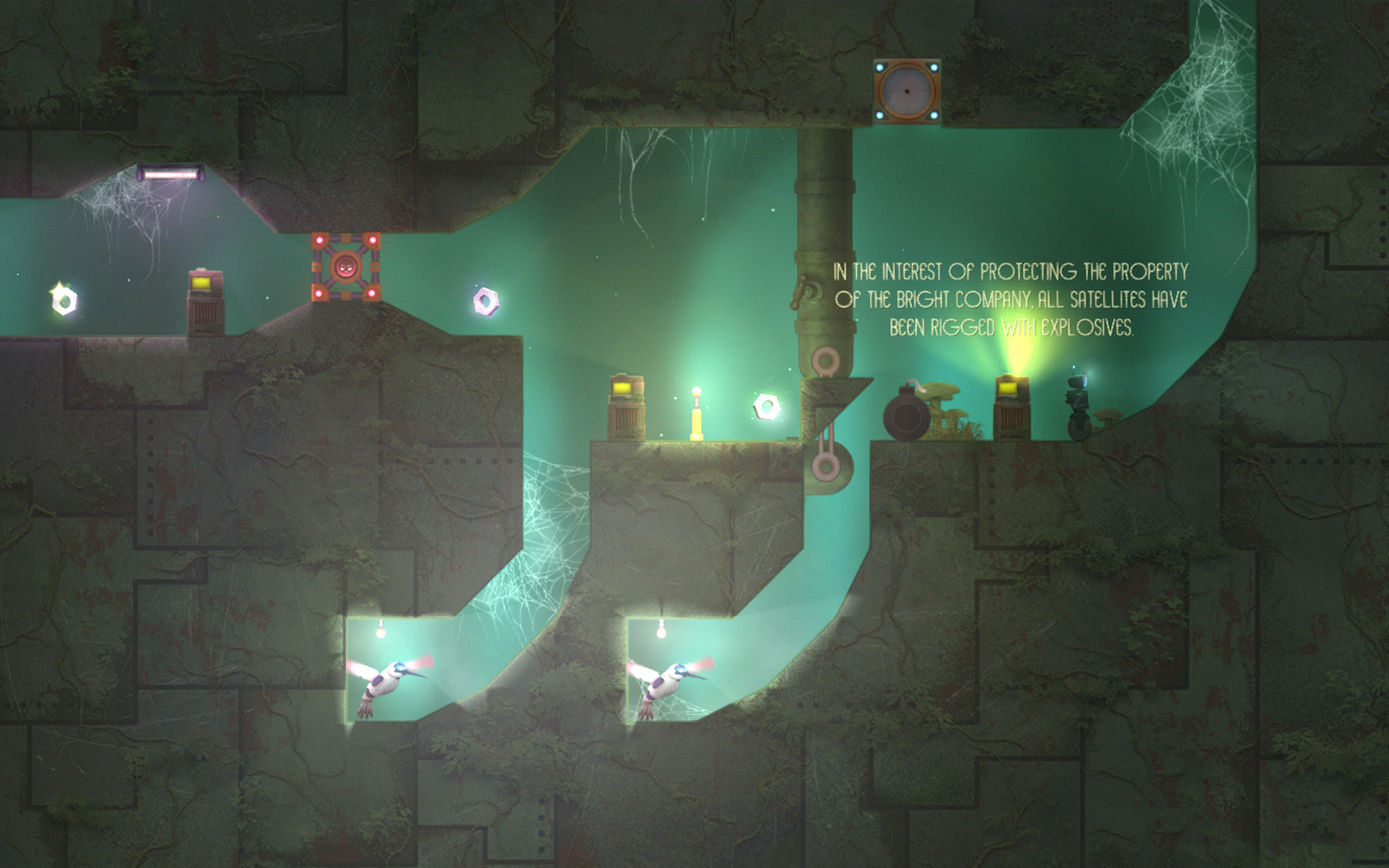
When designing and testing Jumphobia: Homeward Bound, going about setting the difficulty had its fair share of problems. As a platform style game there are no difficulty settings, but each level is made in such a way to attempt to teach a player new skills whilst remaining engaging and challenging. As a player learns new skills and techniques the difficulty naturally gets slowly harder.
The first major problem we had whilst creating this game, is that we simply got too good at it. Spending several hours a day testing levels and concepts made each developer a lot more skilled than we gave ourselves credit for. When finally getting a new player to test out the level design, it was much to our surprise when told it was too difficult when we could complete the level with our eyes closed. Deciding what should be made easier and what should be made harder is no easy task and is mostly subject to the player's skill level.

Conversely, sometimes the problem isn't the difficulty directly, but understanding the right way to go, or the correct way to go about completing a challenge or obstacle. To overcome these issues simply requires good level design (and a lot of testing with new players of course). Nothing is more disheartening than laying out a path for the player to take, only for the very first tester to do the exact opposite of what you intended.
After reading all this you might be wondering how we managed to get the difficulty for this game right, if at all! The truth is we can’t be 100% sure until it’s released and more people have played it, but what we do know is that getting the difficulty right pays off. We believe we have put together a game with a difficulty that is easy to play but difficult to master, and players of all skill levels should be able to participate but also have a margin for improvement. These are some of the core ideals that make a game, like this one, fun.

But don’t take my word for it, check it out for yourself here and be sure to add it to your wishlist
https://store.steampowered.com/app/1781380/Jumphobia_Homeward_Bound/
Max Brown
Lead Programmer @ Wix Games
Patch #2
- Fixed bug that caused the game to softlock if you enter the robot designer while the sidebar is open
- Fixed bug that let you rate Level World levels more than once
- Removed ability to resize the game window using your cursor due to bugs appearing
- Stopped the circuit board and power core messages appearing during Level World levels
- Minor bug fixes
Jumphobia: Homeward Bound Developer Blog #3
Hello everyone,
Level design has always been a passion of mine. There’s something quite special about creating something and watching how someone else plays it. Sometimes you can surprise them, but often they surprise you - playing in ways you never expected. Many of my favourite games growing up included a level editor, a simplified way for anyone to design their own levels without any knowledge or experience. I knew from the start of development that this was something we needed to include in Jumphobia: Homeward Bound.
In this game, we have incorporated the most fully featured and easy to use level editor that we have ever made. Every single enemy, obstacle and graphic is available for you to use. In fact, the entire story mode of the game was created in this very editor! You can create to your heart’s content with no limits on level sizes, you can decorate your levels with decals and you can even control the game camera with custom camera areas.

But what would be the fun in making a level if no one got to play it? Once you’ve finished your masterpiece, you can upload it to Level World - a hub of all of the levels that players just like you have created! You can order the levels by Top Rated to only play the cream of the crop, or go to the New section to try and find a diamond in the rough. Every level is given a difficulty rating based on how many players were able to finish it, so you will always be able to find something that fits your skill level
The great thing about having a level sharing feature in a game like this is that there will be an essentially endless list of levels to play. We have worked hard on creating 30 levels in the story mode, but in Level World there will be thousands, built by players with ideas that we could never think of. We can’t wait to see what you come up with!

If you enjoyed this, make sure to add Jumphobia Homeward Bound to your Steam wishlist (https://store.steampowered.com/app/1781380/Jumphobia_Homeward_Bound/)
Simon
Creative Director
Wix Games
Day 2 Patch
- Added basic support for screen resolutions wider than 16:9
We are aware of a bug that is causing graphical errors in the main game scene for a small number of users, making it impossible to see the character. If this happens to you, please let us know by sending a bug report from the settings menu!
Jumphobia Has LANDED!
Today's the day! Now you get to see what all the fuss is about - what almost two years worth of work culminates toward! Today - we go - Homeward Bound.
Let's set our minds back to the very base experience that JHB has to offer:
- Story Mode: 30 uniquely curated story missions, set across 5 hub worlds and an extra *secret* hub world for you to discover! Deep lore to uncover in the hundreds of MARE terminals scattered throughout the landscape, and more than just a few hidden secret areas - if you know, you know...

- Challenge Mode: A further 28 "remixed" levels, each with a specific prerequisite for completion, and a new lick of paint to boot.

- Level Editor: The heart and soul of our game's engine, and what makes the entire game possible. Get inspired, get creative, and forge some truly memorable masterpieces to play and share...

- Level World: A huge library of levels, where players and creators alike can preview, play, rate, race, tag, tag-team, speedrun and surf their way through each other's finest creations. Be the best - or even better - BUILD the best!

- Customisation and vanity options: Collected every piece of scrap in story mode? Then put it to good use! Hop into the robot designer and spend your wealth on the flashiest skins, make yourself a Wix Games account and adorn your profile with creator badges to be the coolest jump-bot in town.

- And much, much more: Did we mention that every level is timed, and tracks the amount of deaths per clear? No?... Better get practicing, then! It's only a matter of time before someone else figures out how to beat your times, the speedrunning potential is out there!
We can't wait for you to finally get your hands on the world of Jumphobia: Homeward Bound, and hope you have a blast playing through it. Platforming noobs beware - you'll need your wits about you and a pair of agile thumbs to come out on top!
The Wix Games Team
Jumphobia: Homeward Bound Developer Blog #2
Hello everyone,
In this blog, I would like to go over my transition onto Jumphobia Homeward Bound and particularly creating the game's plot.
Normally when I begin a creative writing project I begin with a basic concept and branch out into something larger. This was not the case on this project. I came onto the project a little way into development and the skeleton of the game was firmly in place. On this frame, I have adorned the story.

It makes the process quicker, I played through the game and extrapolated from the art and level design already created. A lot of the hard work had already been done. I interpreted what each room’s function could have been and from here named the room. I added data terminals to give hints of an overarching narrative and a wider world I had in mind in the background.
As I continued to play through the game more and set the post-apocalyptic scene, my momentum grew and organizations, names, and context became apparent. As a process, it is quite fun and liberating to have the basics done for you. Making small creative decisions is easy.
My favorite thing to do was make futuristic adverts. Imagining how capitalism has developed even when the world around has turned to ash and waste. We humans find a way to capitalize on the world's possible outcome. I find it entertaining, the cyclical nature of human behavior. We all end up doing the same things over again.

After that stage, I started to delve into the cutscenes and storyboarding for those. I am not a gifted artist, but I was pleased with the design when it was eventually back from the creative team. I was given the ability to tell more of the story not just through text.
Looking at the game once it's finished, made me appreciate the grander view of what I had helped to make. I find it fascinating to be part of this process. I like working with a team, it means we can all work to our strengths.
I hope you enjoyed this behind-the-scenes look into indie game development. And if you've read this far don't forget to wishlist our game! It really helps developers.
https://store.steampowered.com/app/1781380/Jumphobia_Homeward_Bound/
Until the next blog!
Freddie Churchill
Lead Writer
Wix Games
Point and Click Adventure, 90s Inspired, The Dark Prophecy, Fully Released
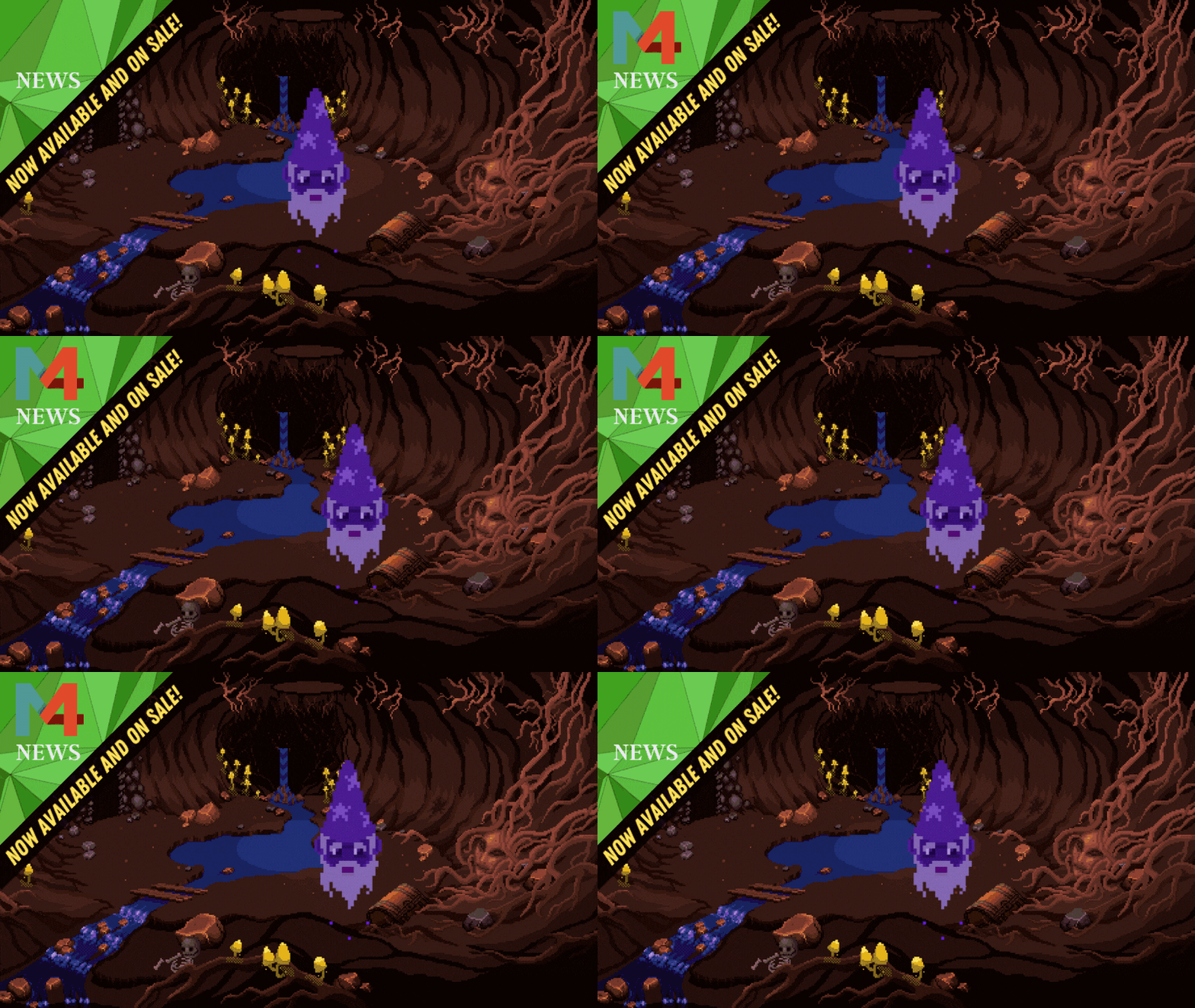
The Dark Prophecy is a spiritual successor to the classic adventure games released in the 1990s by Lucas Art and Sierra. In a medieval village, Jacob is going about his rather dull, everyday life, when one fateful night, his peaceful village is forever changed, and Jacob with it.
In The Dark Prophecy, players can explore beautiful pixel-art locations by choosing their own adventure dialogues using classic "look/talk/use" interactions. Welcome to a peaceful medieval village, where life is safe and calm. But one fateful night, everything changes. The Dark Prophecy is a 2D pixel-art point-and-click adventure inspired by the best retro games of the '90s.
"The moment our game is released to the world is an absolutely unforgettable feeling as if you release your creation into the outside world to see how it will be received by players from different countries. These feelings justify all the hardships of development. Welcome to the world of The Dark Prophecy and have a good game!", said Dennis Afanasev, lead developer at Start Warp.
On sale until March 7:
https://store.steampowered.com/app/1565680/The_Dark_Prophecy
🤖 KEY DROPS & DEV STREAM 🤖
Hello everyone!
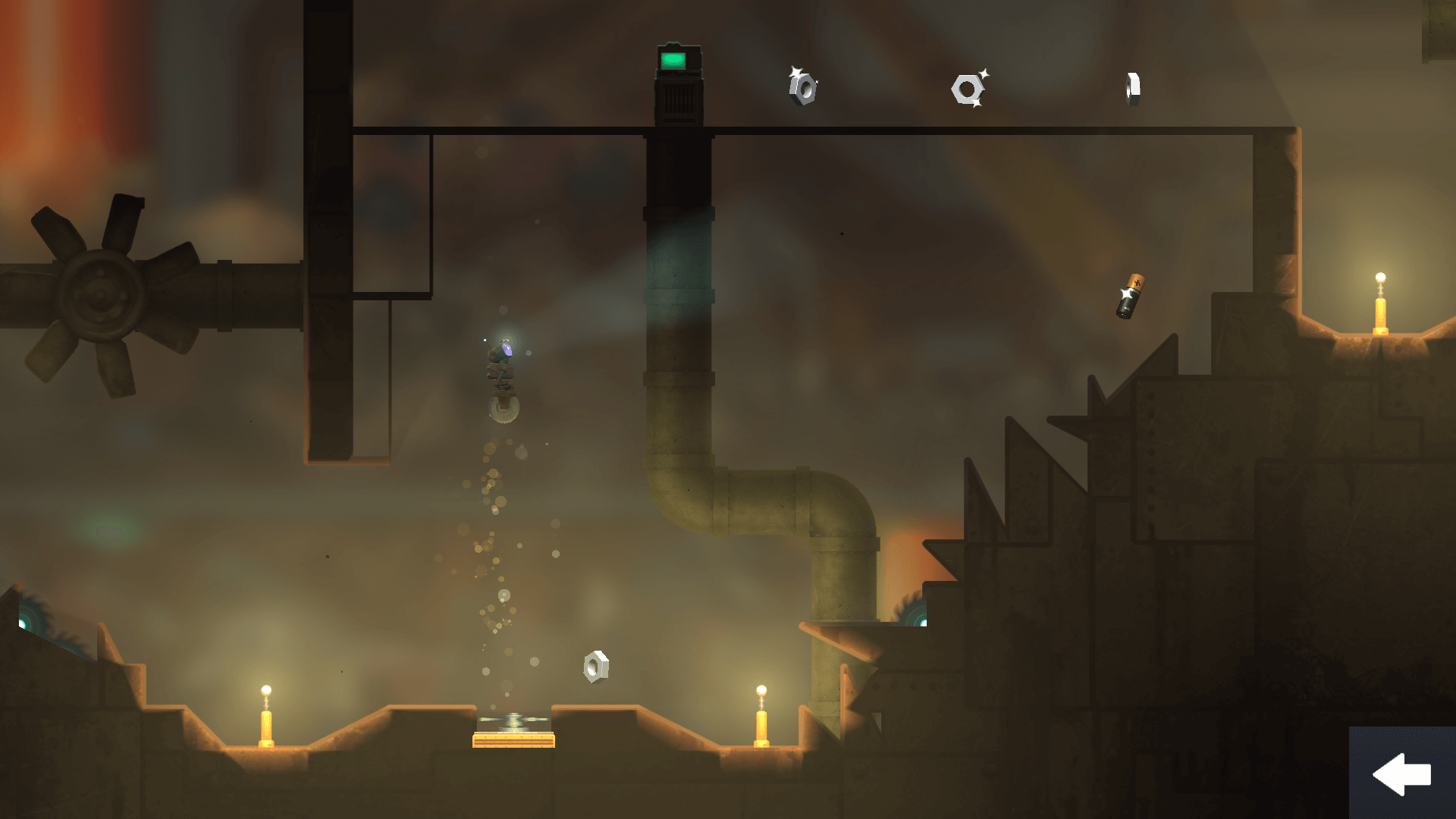
Wix Games will be live streaming Jumphobia: Homeward Bound on Feb. 27 @ 11 am Eastern (UTC -5)
Be on the lookout for official Steam keys drops that will unlock the full game once it is released. If you watch, you may get a free Steam key ;)
See you all in the stream!
If you haven't already, you can wishlist Jumphobia: Homeward Bound below, so you don't miss the launch discount.
https://store.steampowered.com/app/1781380/Jumphobia_Homeward_Bound