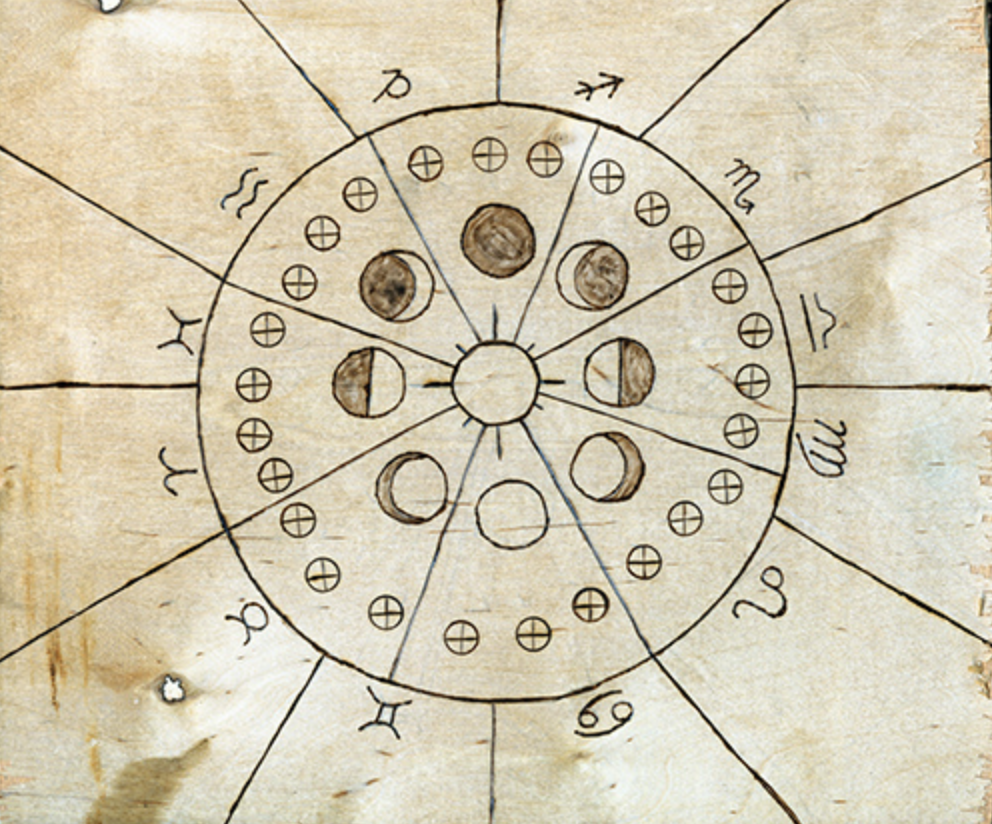
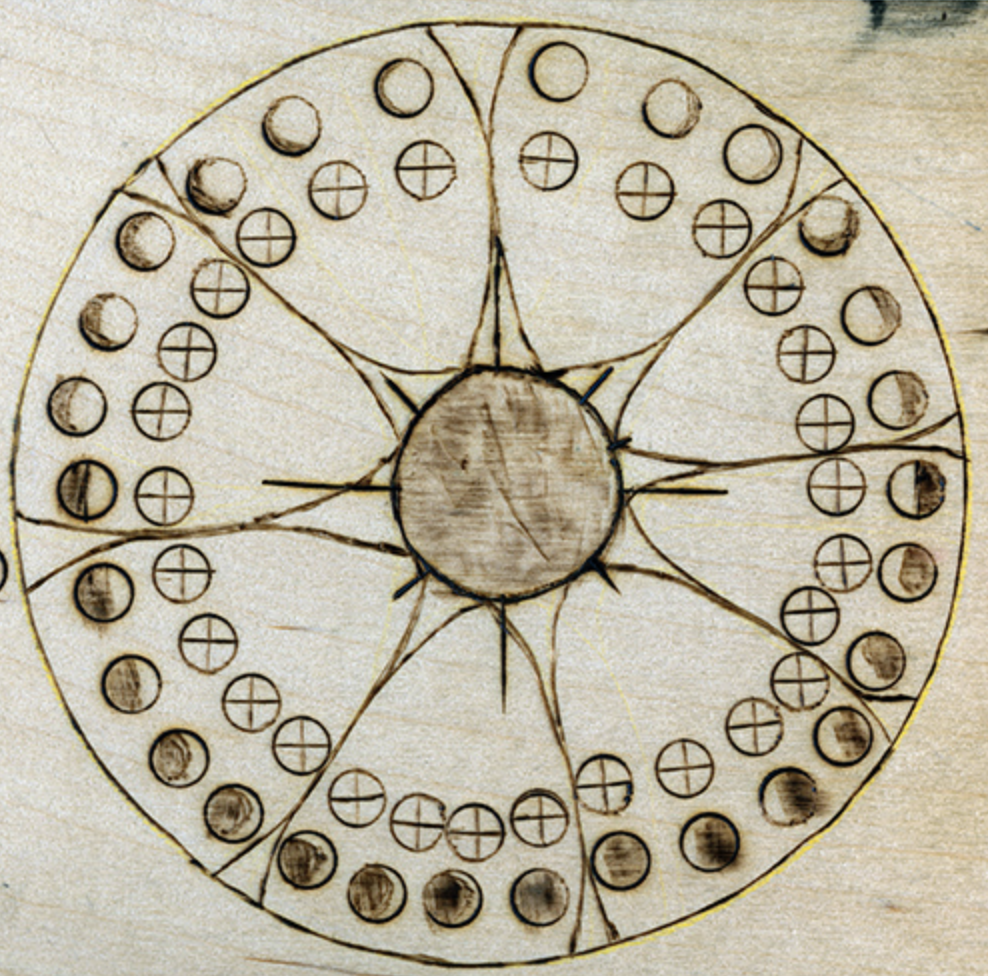
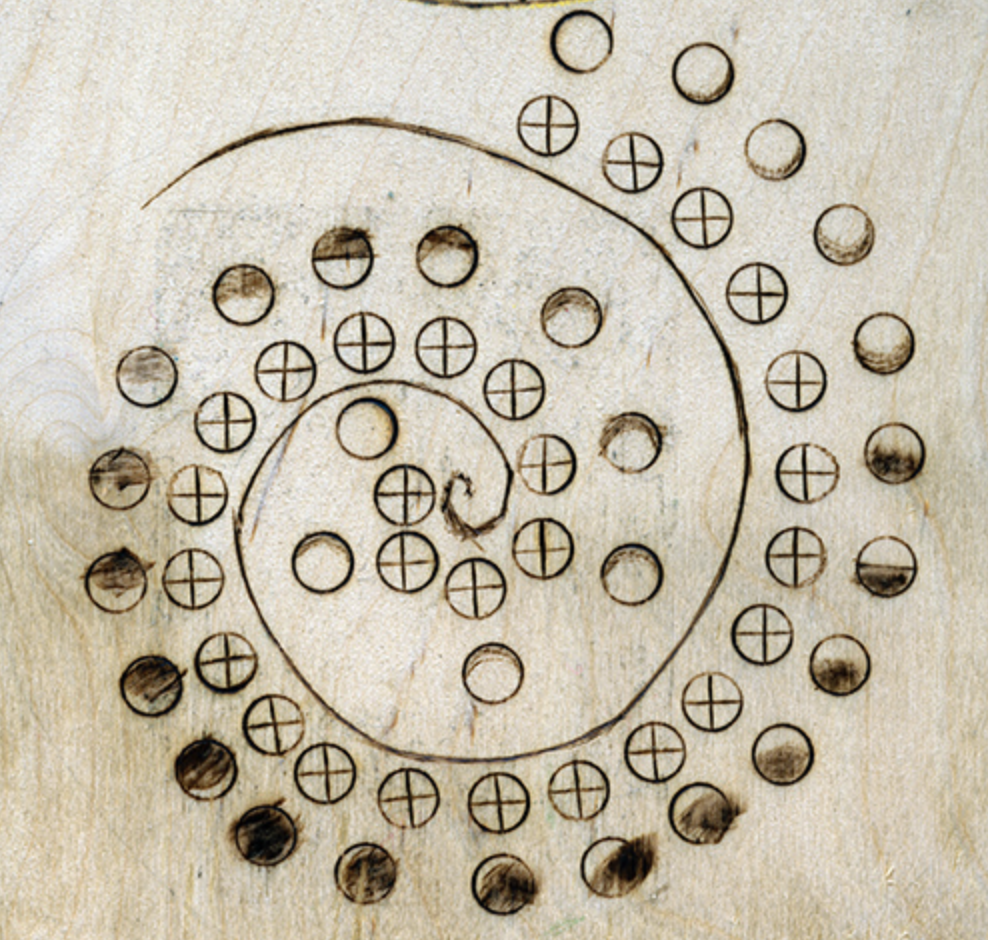
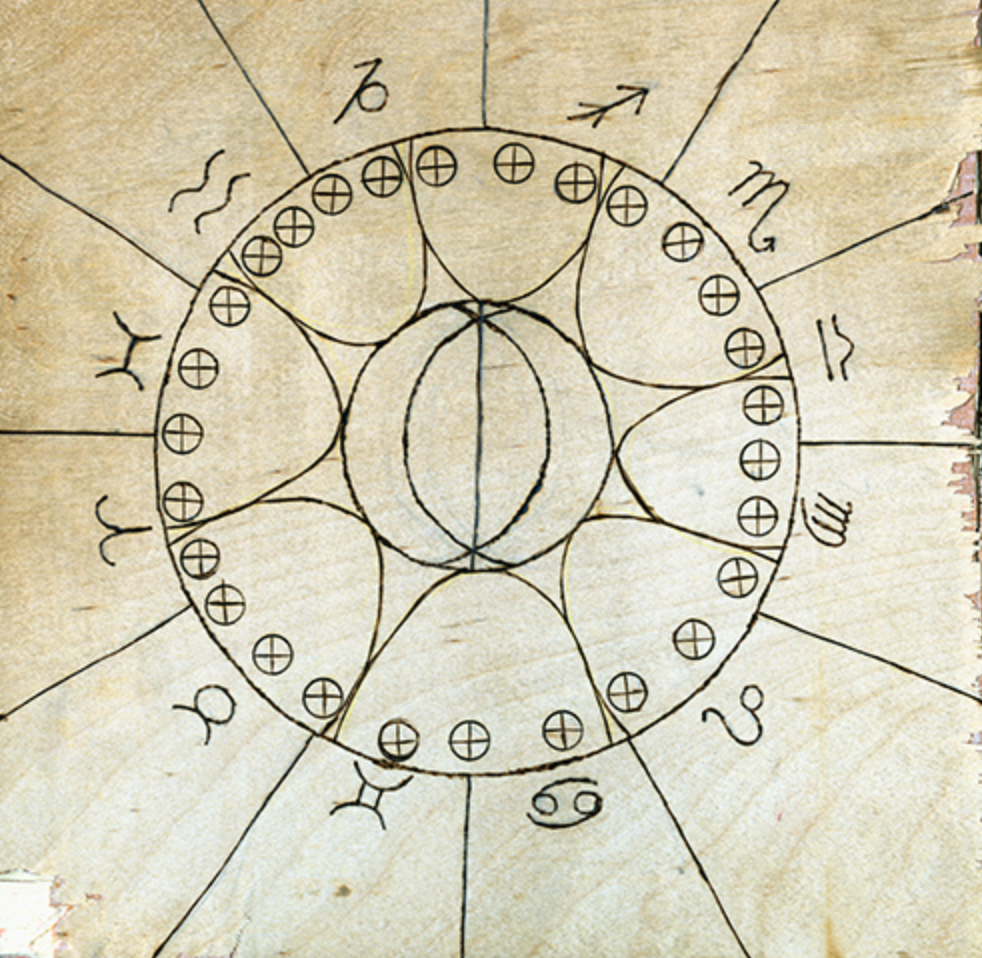
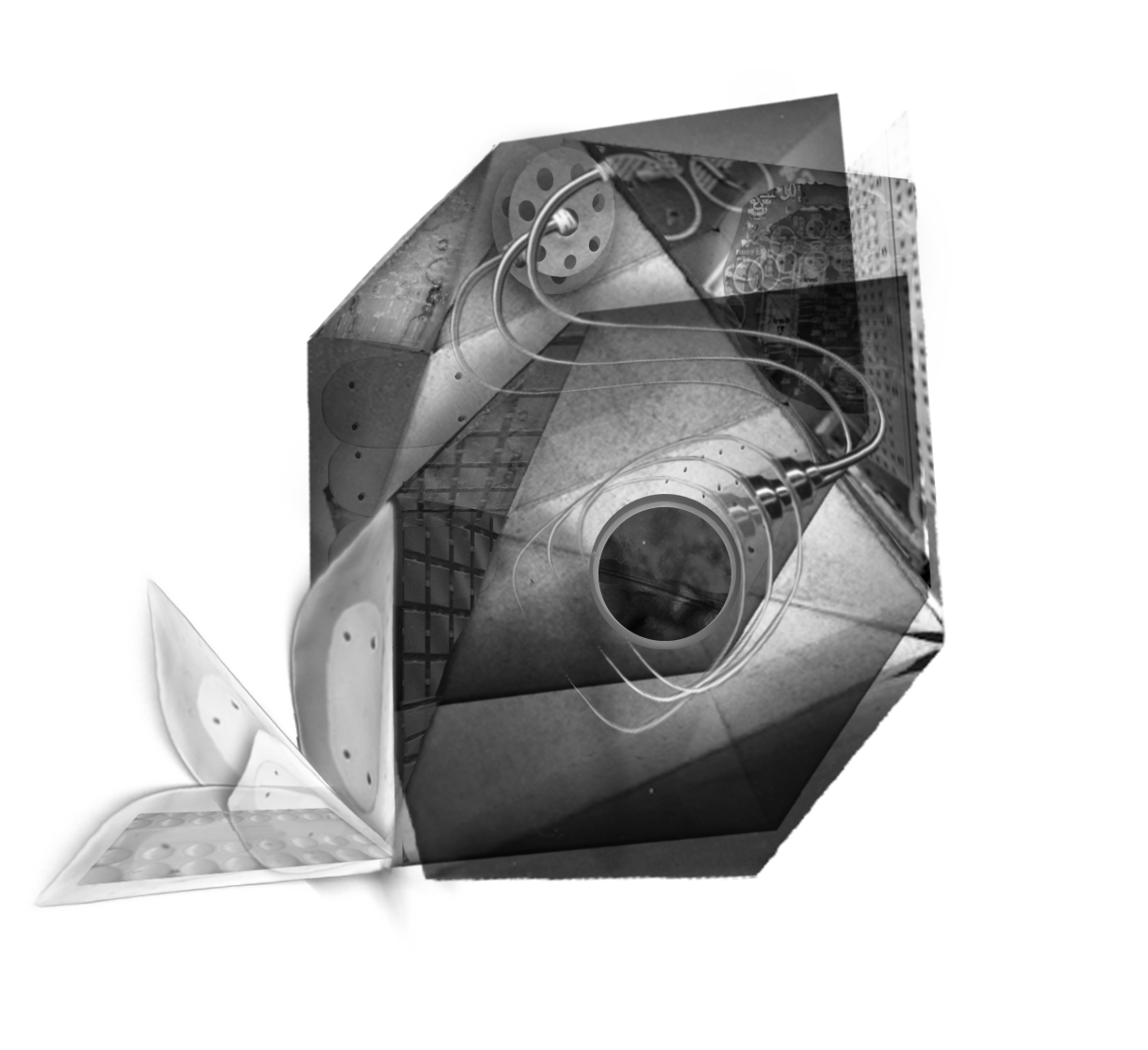
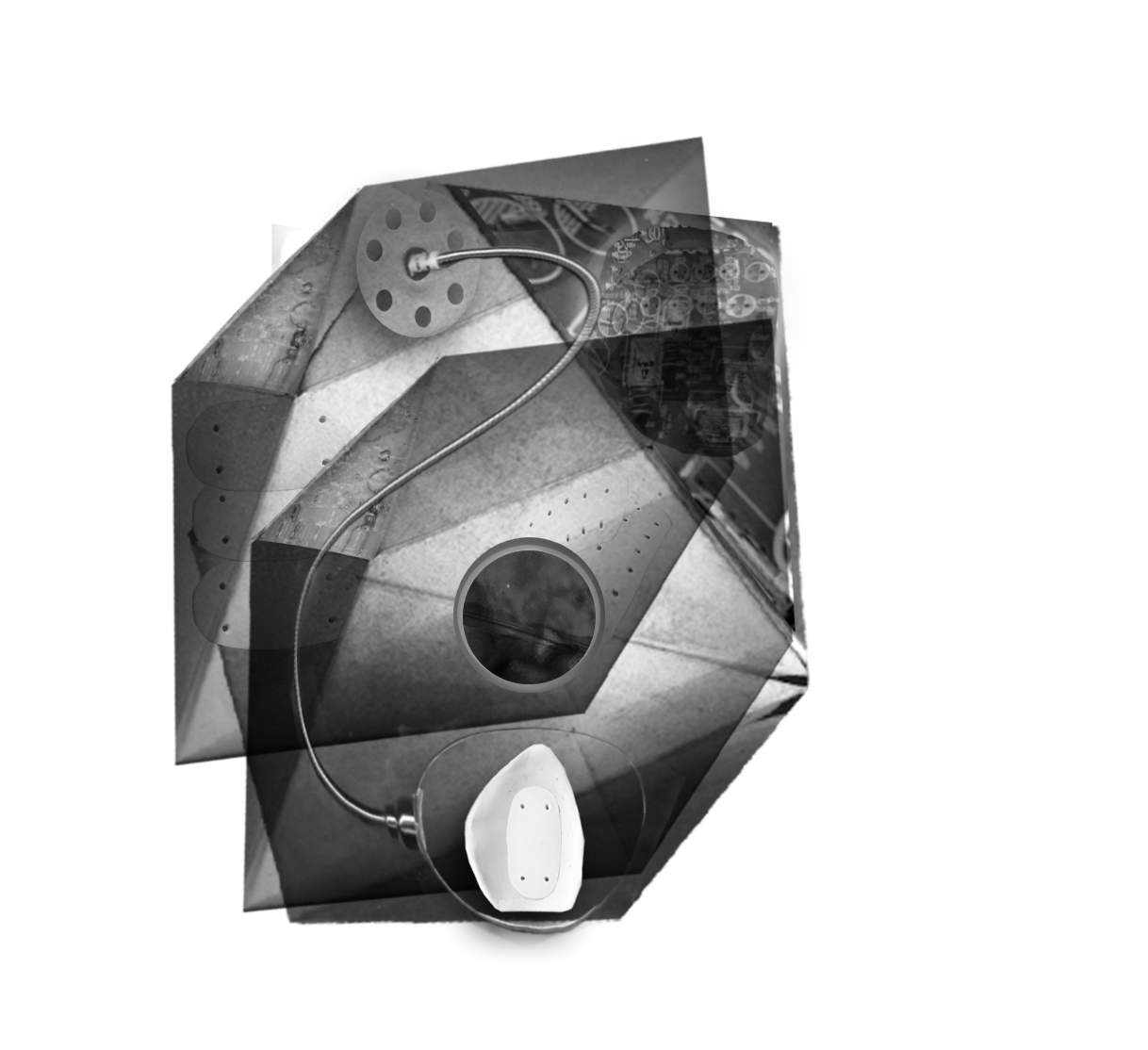
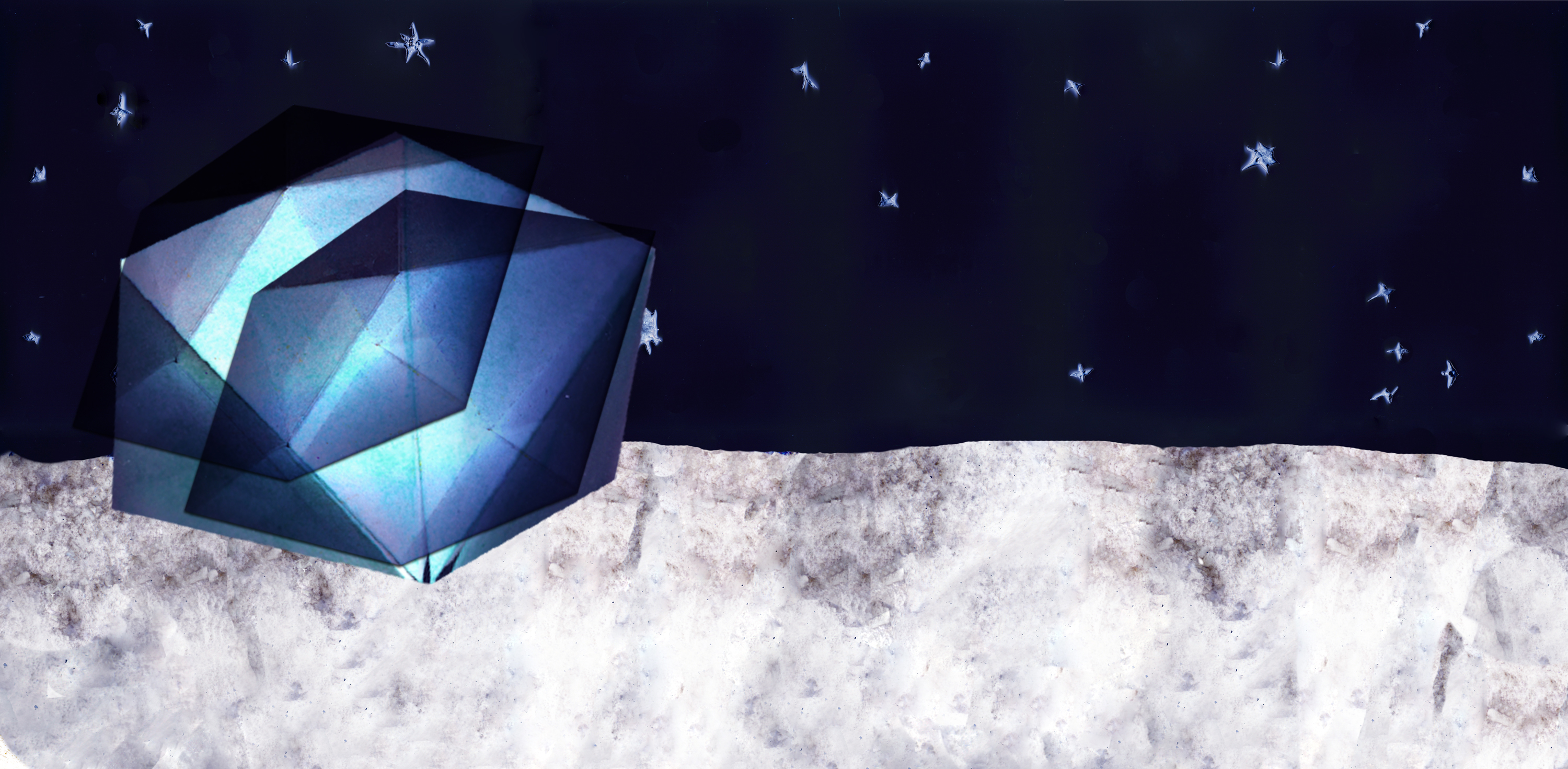
These are images of different trials of the calendar. This is the non-black and white, not digitally manipulated raw wood burns.
In the past few years I've been thinking about ritual, time, mundanity, and habits. My very first videogame, Medication Meditation, was about the boring daily labour of living with mental illness and the activities and rituals one must do to sustain life, such as taking medication every day at the right time, self-affirmations, and watching thoughts and letting them go.
I can be ritualistic about work. In writing the earth is a better person than me, I only listened to one album over and over and over. I would put it on and then I would know it's time to write. (It's Angel Olsen's My Woman. It's one of my favourite albums ever but now I can't listen to it without being nostalgic about my time writing earth person in Tokyo). When I'm writing papers, I need to have my desk be set up in a specific way, a big mug of tea or kombucha, and put on some specific aromatherapy.
I like some big rituals, like new years eve intention setting and burning sheets of paper with things I'd like to live behind written on them, but mostly I think the real transformation is in small daily rituals. For the past 4 or 5 years I have been a mostly dedicated practitioner of a kind of yoga called ashtanga, where you do the same thing every day 6 days a week (and not full moons or new moons because it's thought that injury is more likely on those days). My current life does not have a set schedule outside this, so it's been extremely beneficial to wake up everyday around the same time and do the same movements. The unchanging structure makes it so that I can become aware of the differences in my body, mood, and mind each day. Sometimes - and sometimes often - I can't do the full practice, but as long as I get to my mat then it "counts" because it is about the habit of doing it, of showing up and meeting myself where I'm at.
I'd like to say that's how I begin my day, but really I begin my day by immediately looking at my phone. My alarm goes off, I turn it off, and then I I read any messages I got, or check twitter or if I'm really procrastinating getting out of bed, I answer my emails. I tell myself looking at my phone helps me wake up, but really it helps me delay getting out of bed. This morning ritual is really not doing me any good! I won't go into detail as to why but I think we all know it's a bad habit. I've tried sleeping away from my phone so I don't look at it, but I can't sleep without listening to podcasts or other media (silence? with my thoughts? while trying to sleep? not going to happen), and the alarm clock I bought it somewhat unreliable. And I'd just go pick up my laptop and phone and go back to bed anyway. So if I'm going to look at my phone in the morning, which it seems like I will, I'd much rather do a self-reflective activity like Ritual of the Moon. It leads me through some calming actions, gives me a daily mantra, and then I do make a choice based on my feelings that morning. Maybe one day I'll learn to live without my phone, but in the meantime I hope I can replace my bad habits with good rituals.
9 days until release.
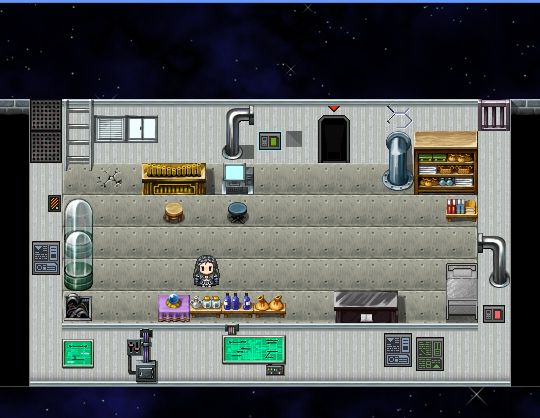
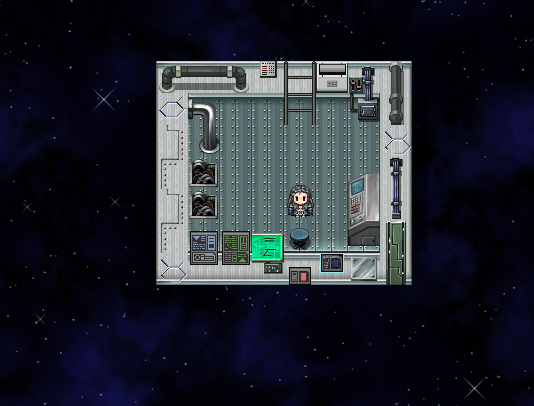
Iterations of the Ship
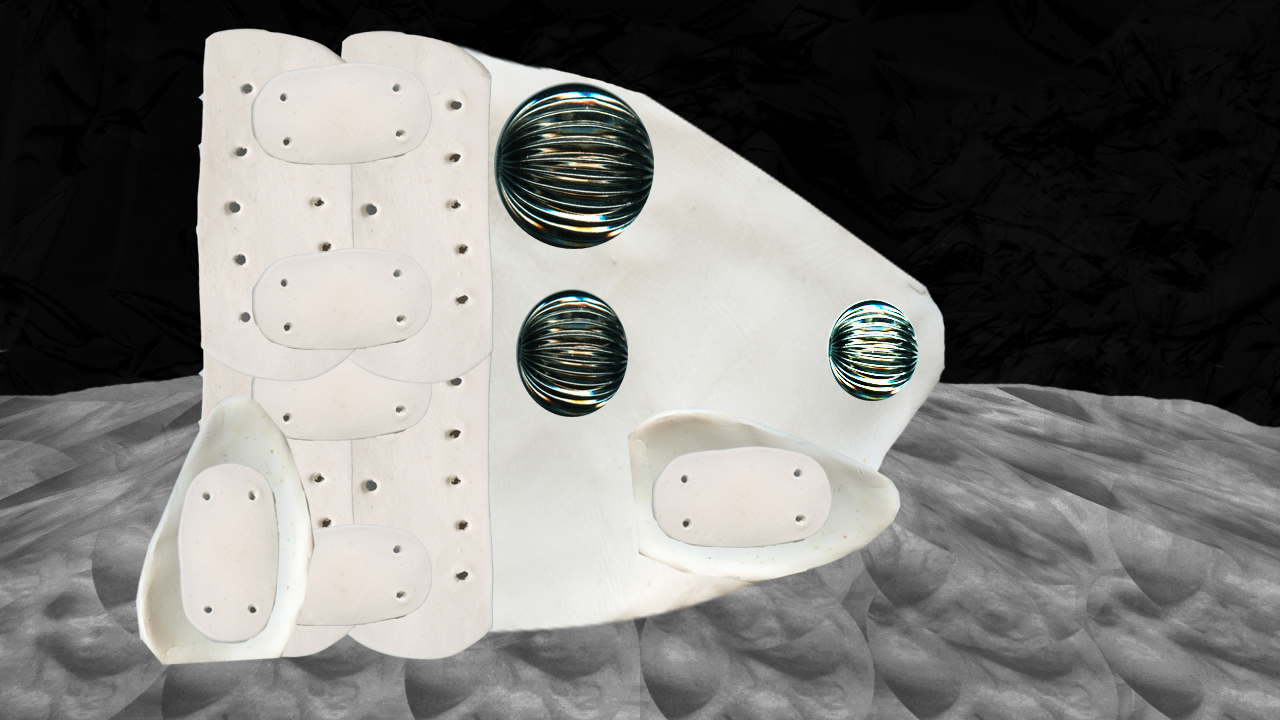
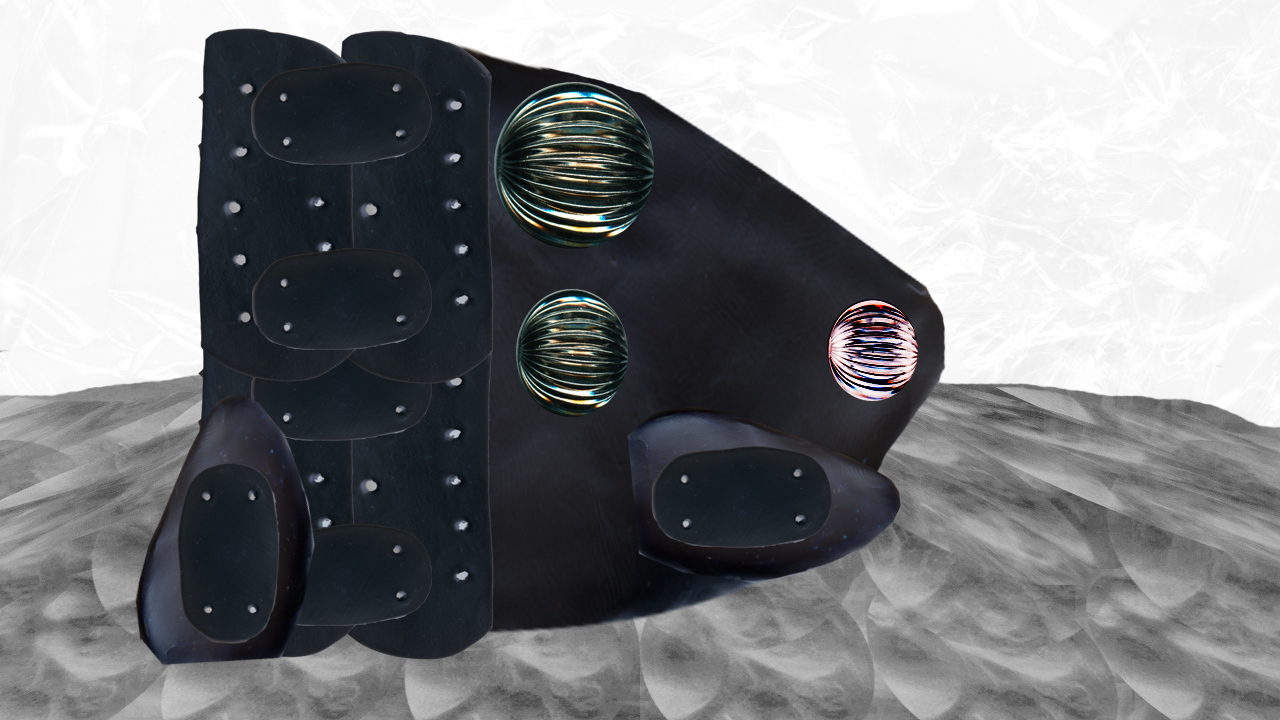
Here are some iterations of the witch's ship.
10 days until release.
On Confidence and Vulnerability
I've been confident that Ritual of the Moon is good for a long time. I'm often confident in my work. The very beginning is my most self-conscious time. I try to keep everything very sheltered and away from judgement, both from myself and others. Sometimes those initial ideas are really nothing and should never see the light of day. When they are something and when the general plan is outlined, I begin to be like, alriiiiight! Then after the first 1/3 of production I'm pretty constantly like, hell ya, this is great. But showing other people can still be difficult.
My last project, the earth is a better person than me, is a way weirder and more personal game than Ritual of the Moon. It has explicit sex (with trees, none the less) and has an odd tone of humour, erotica, and self-hate. I was lucky enough to start the project in a graduate critique class where we all workshopped projects. The very first time I showed it, I was like nooooope what the fuck am i doing?? I knew I liked it, but it and I was very vulnerable. After the feedback which was really encouraging and had really useful critiques, I was in full out hell ya mode, and stayed that way until just before release. Then I felt vulnerable again and worried if people would like it. Even though I think earth person is amazing and should win a literary award and its most important that I feel proud of it, of course I still want other people to like it too.
I'm at that pre-release vulnerability stage now with Ritual of the Moon. I've been confident for so long and now the fear is bubbling up! What if no one likes it? What if everyone hates it? What if no one knows how to play it? What if it's so buggy and doesn't work? What if no one plays it? There are some things I think are design flaws (which I won't detail just yet) but ultimately are fairly small. Because it's been like 4 years since designing parts of it, I can look back and think, well, I made that choice then but I wouldn't have made it now. It's not killing me. Overall I still love it. It's even easier to love than some of my previous projects because it was much more collaborative. The art and the music are soooo incredible that if I'm feeling down about the design or the writing, I can think to myself, at least nothing else of the app store looks this beautiful. At least people will open the app just to listen to the music.
I think I have a good relationship to making art. Sometimes I'm insecure but that's fine. I try to be really cautious of not letting the insecurity prevent me from making an honest and experimental piece. Only one time in earth person did I change a storyline because I was worried what other people would think. I kind of wish I didn't, because that path is now my least favourite. So far in my lift, my financial well-being has not been dependent on my artistic success, which makes my intention to make weird, open, personal, honest art more feasible. It means I can make something that I would like, and hope others like it but my well-being isn't determined by if other people like it. Reading this post I probably seem overly confident. That's fine too. The confidence can help overcome the vulnerability needed to make the kind of work I want to make.
(this post inspired by today's Nancy: https://www.gocomics.com/nancy/2019/04/08)
11 days until release.
GDC 2019 Talk: Mental Illness and Videogames
This past GDC, just a few weeks ago, I was on the Indie Soapbox Panel alongside some really amazing people. Each talk was only 5 minutes so I I tried to say as much as I could as succinctly as I could. I was really sick that week - sicker than I've ever been in my life! But I chugged water, slathered my nose in minty essential oils, and coughed a bunch right before going on. My voice sounds a bit sick but I'm just glad I didn't cough for 5 minutes straight.
I liked my talk before I gave it. I thought it was to the point, and that the slides were really beautiful. After I gave it, I just felt empty inside. What's the point of anything?
https://www.gdcvault.com/play/1025698/Indie (I start at 51:05).
Below is a somewhat modified transcript in case you don't want to watch the recording.
12 days until release.
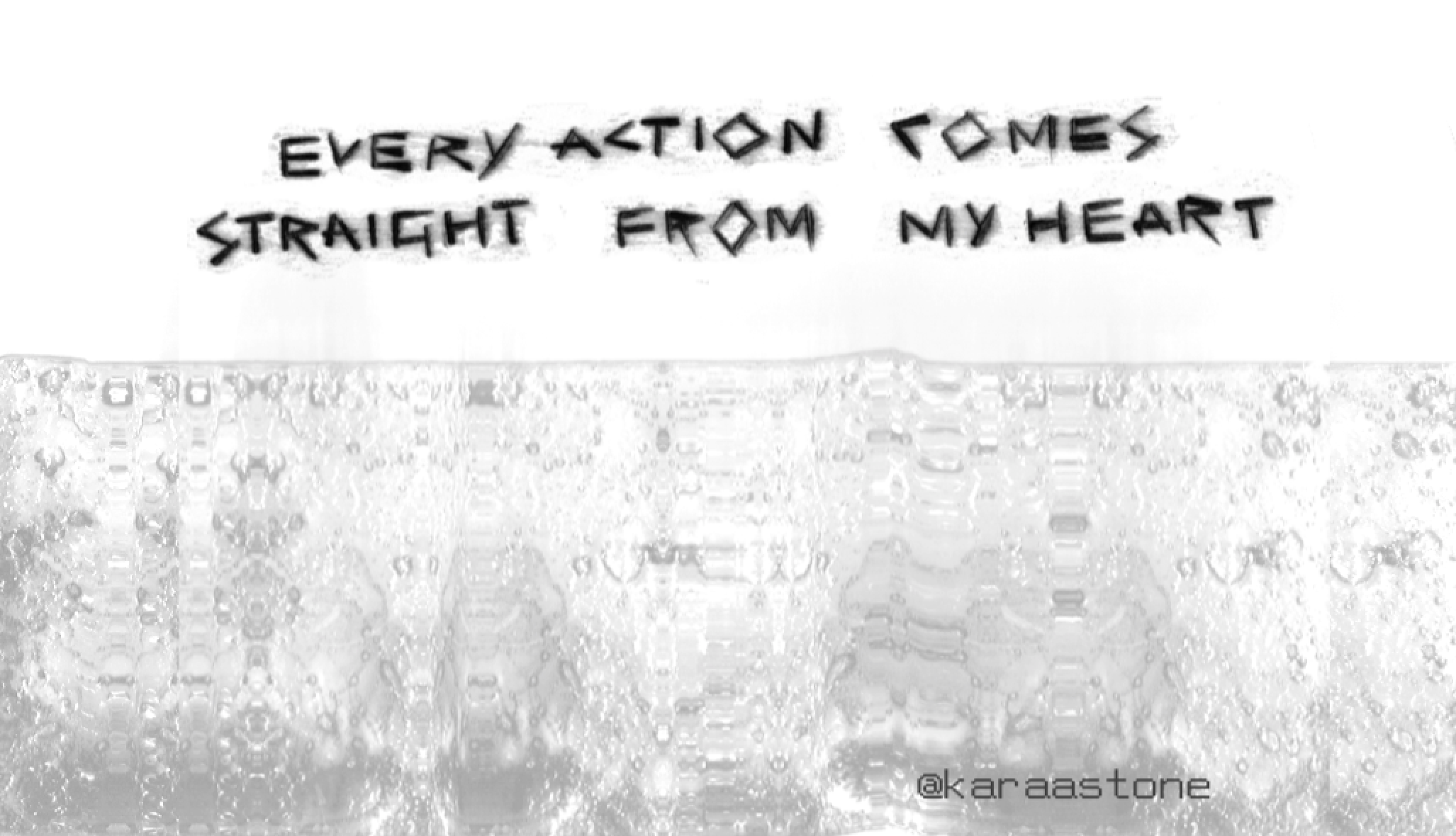
"There are three ways into talking about mental illness and videogames. The first is representation.
In my recent game the earth is a better person than me, we follow Delphine, a young femme who is going through a crisis and runs away from her problems and into a forest. She finds that she can talk to the environment around her; she talks to the moon about love and not understanding her cycles of emotion, to dirt about suicide and self-hate, and to the flower about perfectionism and self-harm. I like to think that it shows a specific but dynamic representation of a woman living with mental illness. This is an example of how we represent mental illness and those with mental illnesses. It is the most common way of thinking about mental illness and videogames, but just one facet.
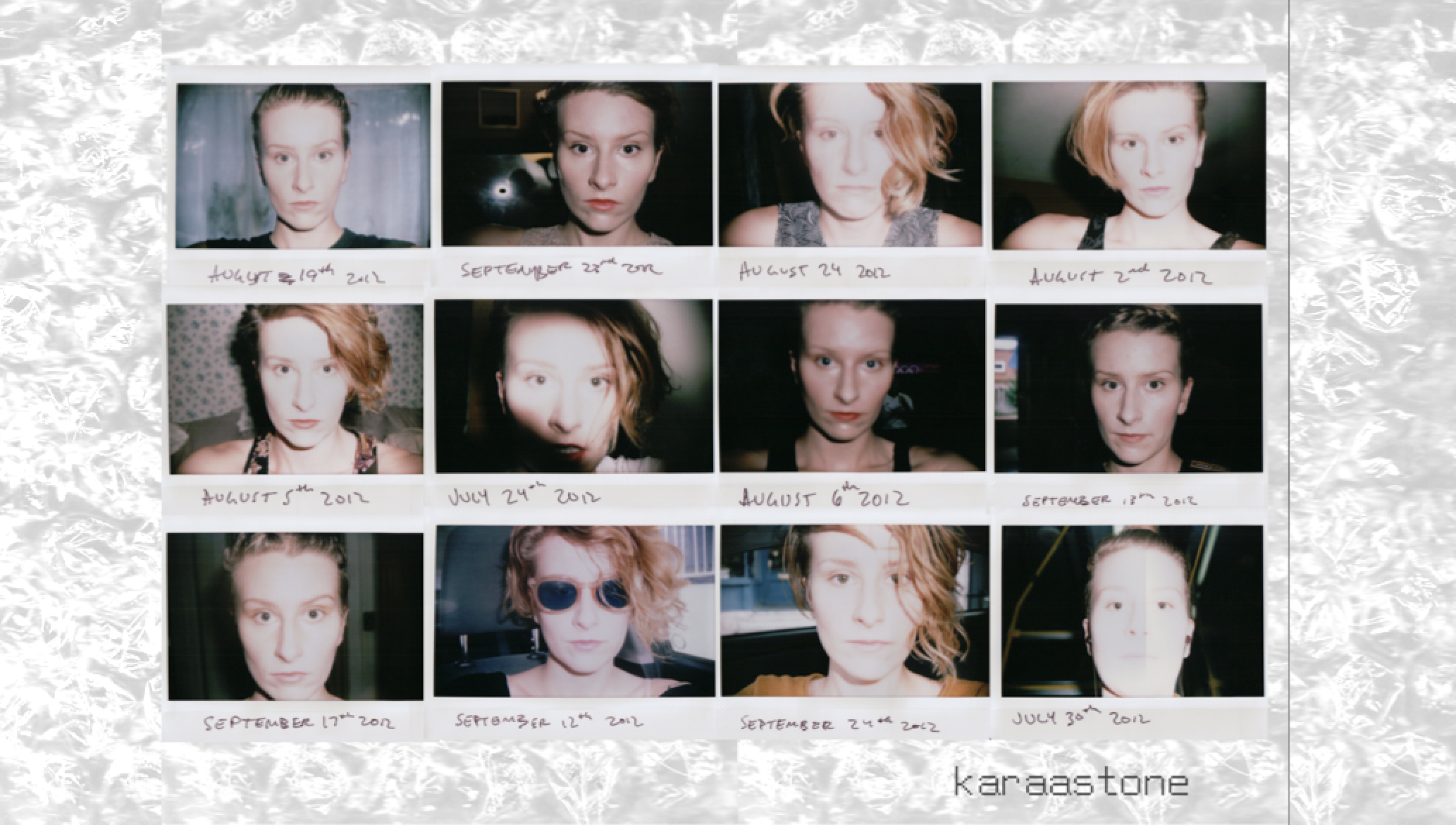
The next is process. Polaroid Panic isn’t a game, but the first – very first project I ever made where I was open about my own experiences with mental illness. I carried a polaroid camera with me for 3 months and took a photo of my face each time I had a panic attack. The pictures are material proof of a feeling, but a feeling the viewer may not be able to read onto my face. All this process took was to carry a small camera bag, and to be in touch with emotional state.
Of course, this is not how we usually are making media! We’re working in a culture that normalizes and valorizes overwork. I’m sure most of you are familiar with the term crunch. And know not to do it! But do it anyway. Sometimes our bosses say we have to. Sometimes we feel like we have to. Sometimes it feels good, because we are performing as good productive citizens of capitalism. But overwork is bad for all of us. And it’s worse for some of us. Those of us with certain mental illnesses, psychosocial disability, or mental disabilities, chronic conditions, may not be able to work like that. The energy drain happens faster, and the recovery is slower, and the repercussions more detrimental. Big indie studios, small indie studios, co-ops, collectives, and even individuals need to really check their expectations of work, labor and productivity. Productivity isn’t worth the debilitation. And that means we need to create new models of game making. and I believe we can create a process that actually benefits us, a reparative design process, like I did here in Polaroid Panic, where the end result was me being more in touch with my feelings, open about sharing them, and not being able to disregard them.
The final facet is design. Ritual of the Moon is another piece that took a long time to make but I didn’t mean it to. I’ve been working on it for over 4 years when I thought it would be 1. It is to finally be released on the full moon in April next month. The game takes place over 28 days. Real-time days. the player plays for 3 minutes each day, where you arrange objects on an altar, receive a mantra for the day, and then you make a choice based on your personal emotional state at that moment, if you want to destroy or protect the earth from a comet that is coming to hit it. The game tracks your choices in a calendar, acting like a mood chart for the month. I wanted to make space for ritual, for short plays that we can integrate into our lives, that’s slow and meditative, that make us reflect on our emotional state, not cause anything frustrating or panicky. Many of us are rightly criticizing labour practices that expect us to work 80 hours a week but want to make games that take 80 hours to play. straight. With No breaks. That’s how they’re designed! Many videogames actually reinforce overwork. We think of A good game is a game you want to play all. the. Time. We design so there is a constant pull to keep playing. This is done most often by activating panic, aggression, frustration, and momentary gratification. then looping this over and over. We try to emotionally manipulate the player so they play more. But these are just a few of the emotional possibilities of games.
What if we made games that activated melancholy, or self-reflection, or tenderness? I think that these need to be designed differently than the way we design for panic, aggression, frustration, and gratification. It’s not as simple as making a game about a tender and soft person and expecting the player to feel the same, but designing mechanics and gameplay and even controllers differently to bring out feelings of tenderness and care, and using a process of game creation that does the same for us, the makers. I think games are emotionally powerful, and it's time we start channeling that power into a wider emotional landscape. we need to make reparative games, games that can help us heal."
On Social Media and Crafting Technology
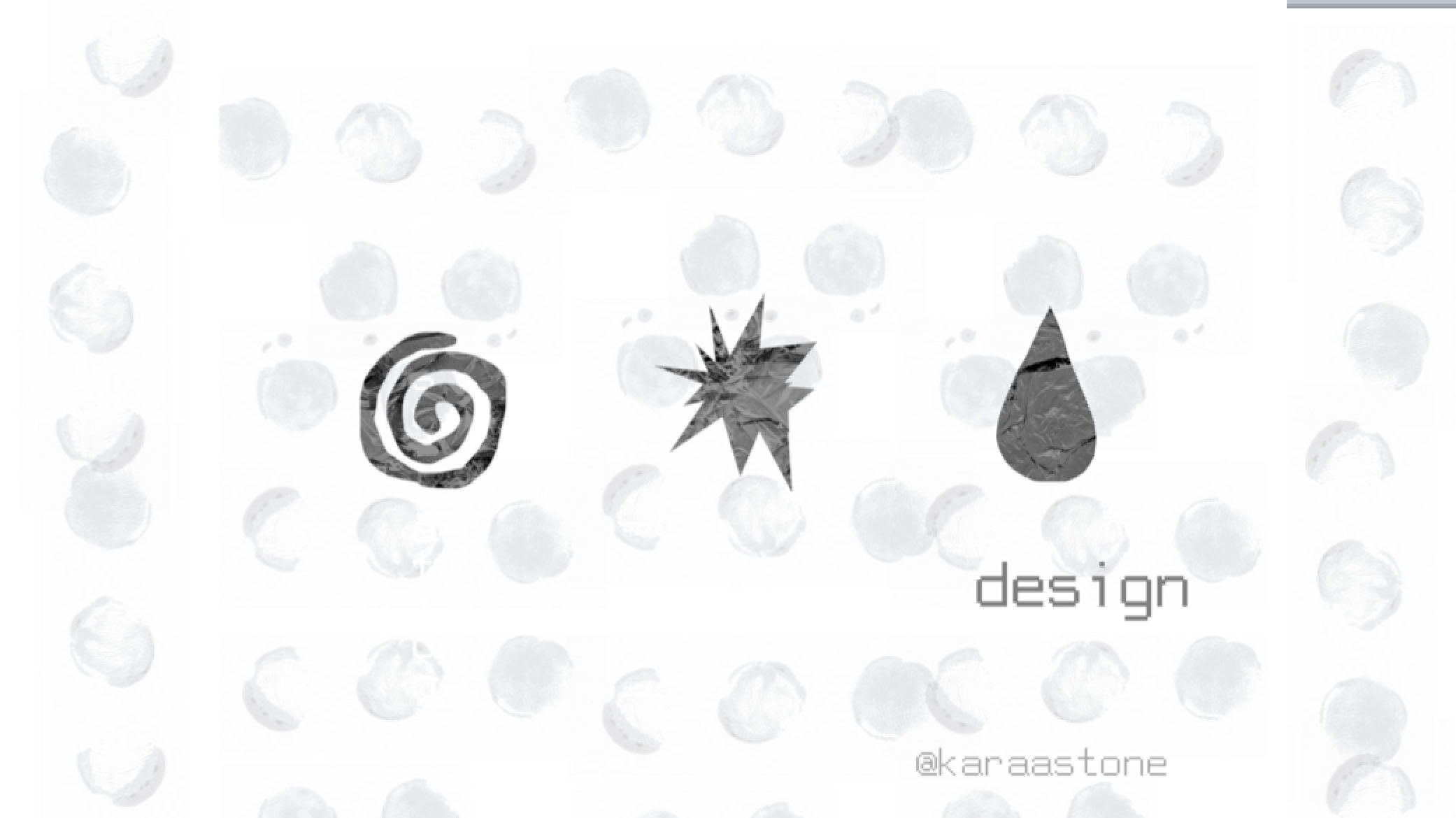
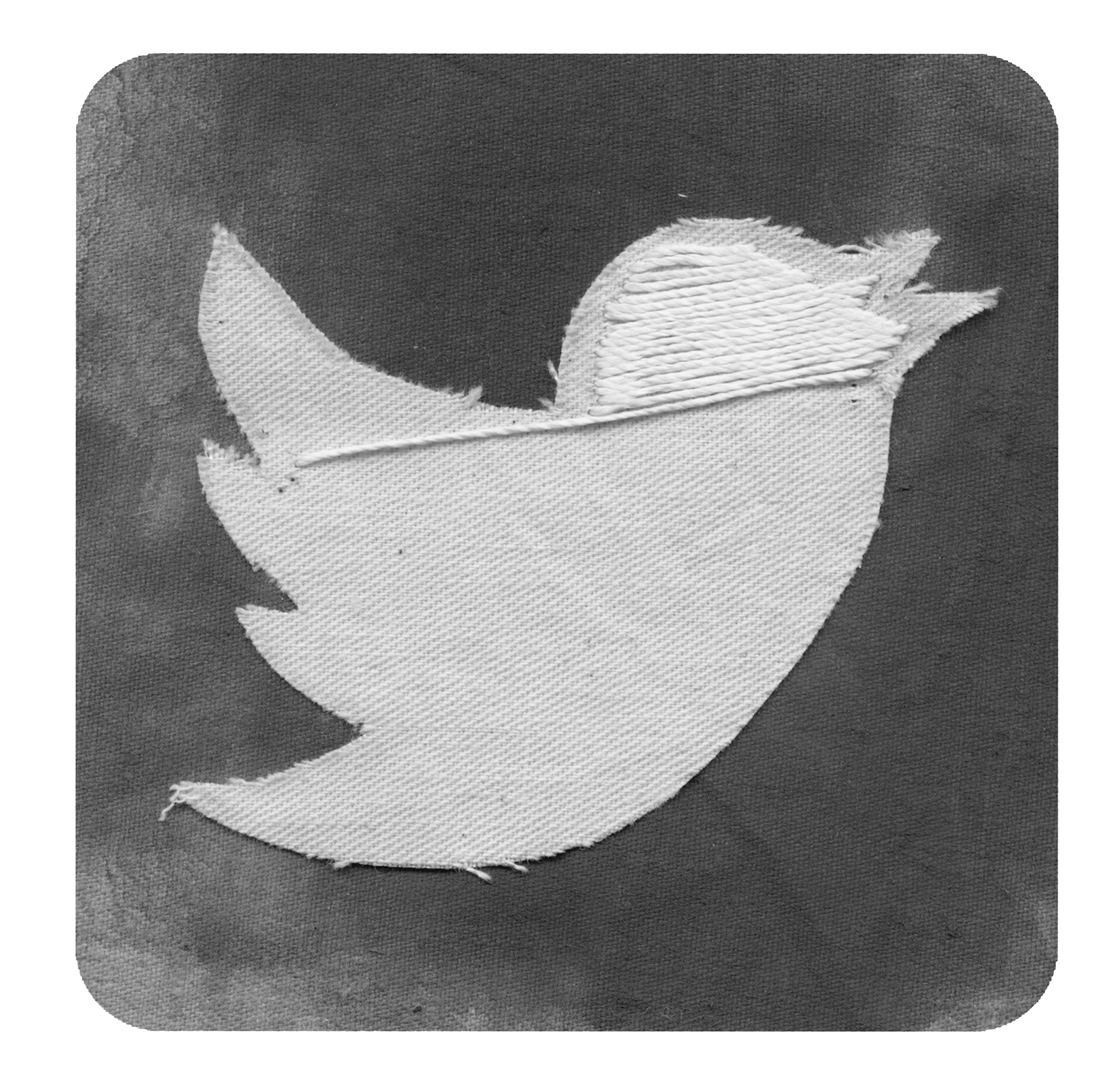
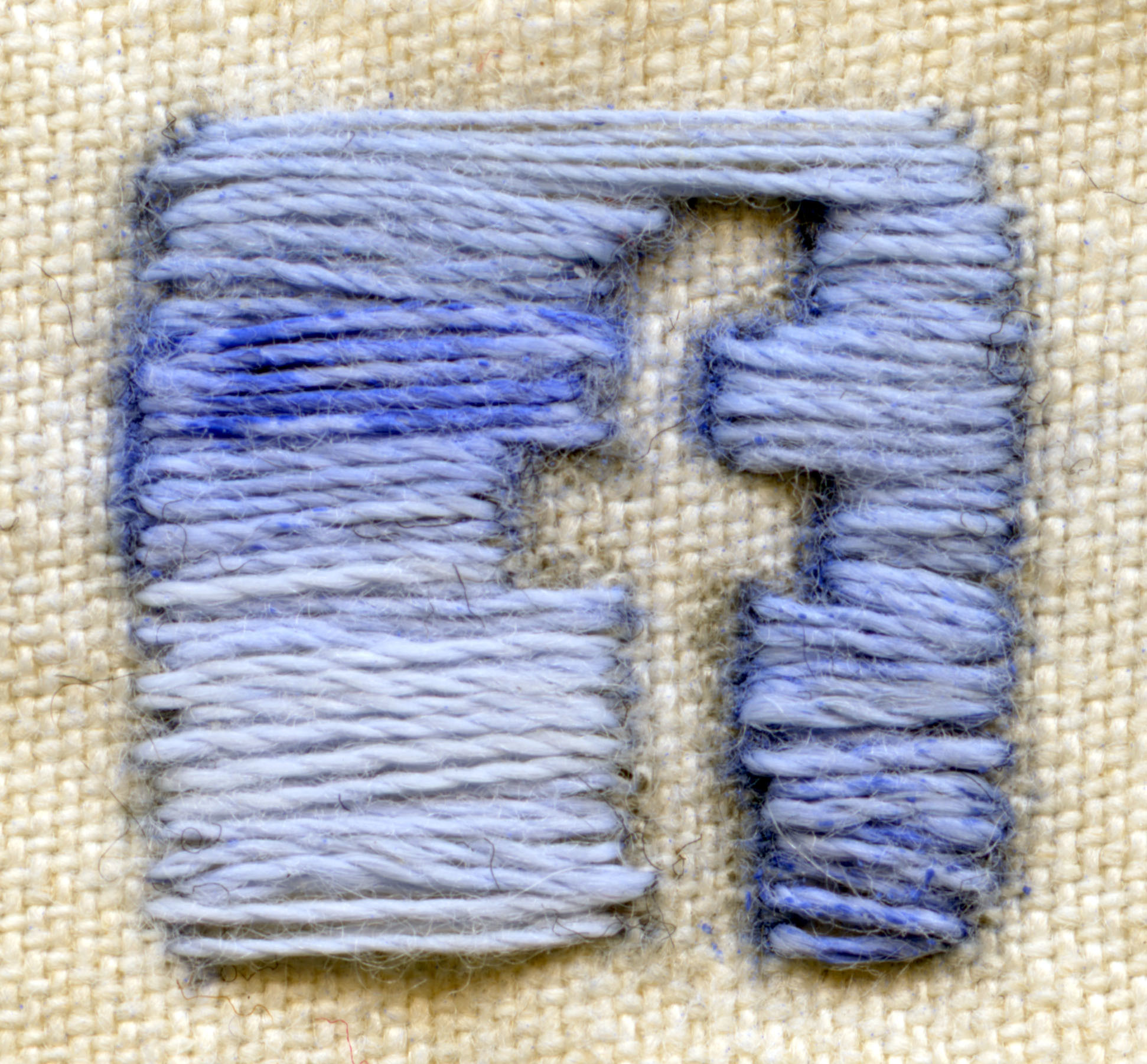
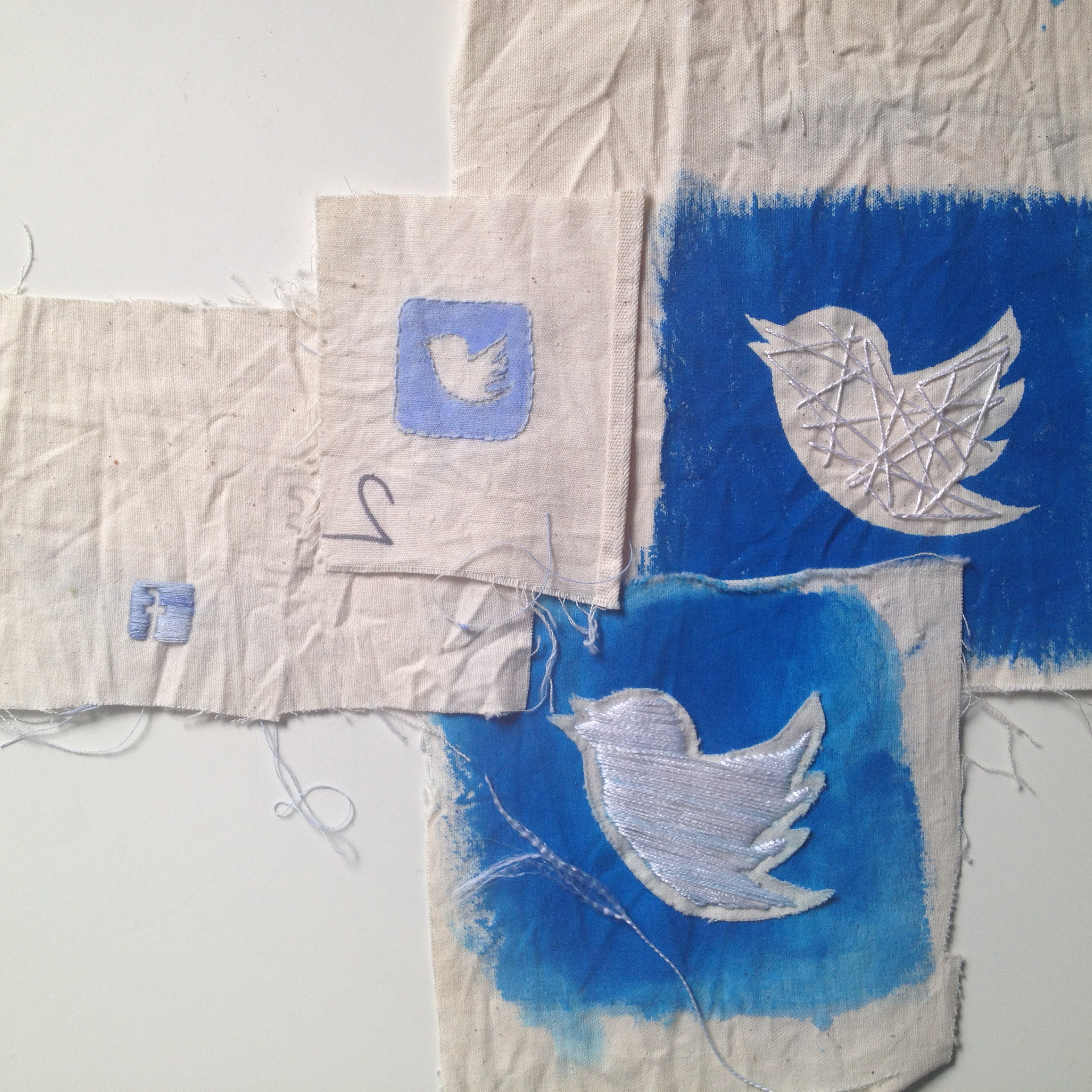
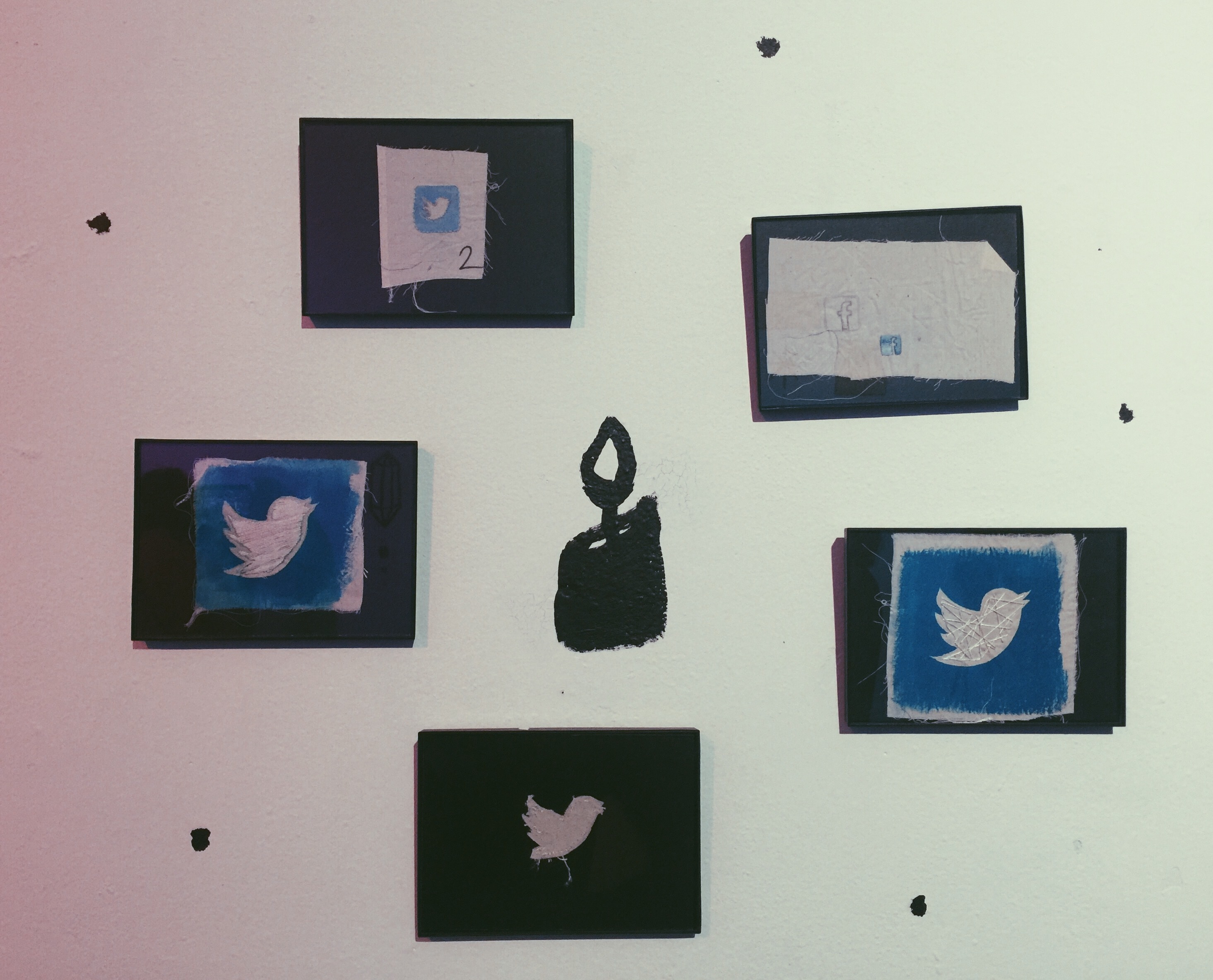
Here are images artist Rekha Ramachandran made for the social media button. Fun fact: one of them was stolen from an art exhibition I put one (last image). These crafted logos make social media look way more beautiful than it is. There is something beautiful but off-putting about seeing images we uses see completely sleek, flat, artificial, have texture, imprecision, and variance. Part of the idea for the aesthetic of the game was to blend the technological and the handmade, as it relates to the story of that is part fantasy part sci-fi, as well as the action of creating a meditational, self-reflective ritual on your phone. We were really inspired by Sadie Plant's book Zeroes and Ones which details women's history and presentness in crafting technology; from Ada Lovelace likening programming to weaving on a loom, to the current factory workers who do fine detailed work constructing parts of phones, tablets, and computers. Rekha, Julia, and I more explicitly took up this idea in another piece we made together called Live Among Ghosts, the video above. In deconstructing computers, we found hand-made checkmarks, ghostly fingerprints of the uncredited people who made them. Crafting as a process fits into the idea in the game too, something that is gestural, repeated, and brings one into one's body.
https://vimeo.com/182606246
I used to be an avid journaler, which is a self-reflective ritual, but I've known for a while that I've replaced that action with social media - and it's horrible! For me, journaling isn't just about dumping out feelings, but coming to recognize and understand something. Social media is a dump. Sometimes a connective dump, but for me mostly not. I was doing some very intense PhD exams in January and February so I went off twitter entirely and limited facebook to 5 minutes a day and instagram to 10. I was way way happier! So after my exams I put twitter on 5 minutes a day. You'd be surprised how much you get from 5 more focused minutes, rather than hours (literally hours) of mindless scrolling. But then I figured I should link back in during GDC. It was not good!!! I felt anxious and self-hating and I really wasted so much time. (All normal feelings from GDC itself, but amplified with twitter).
Now I'm on it again to promote Ritual of the Moon. I'm conflicted though. At my level, which is not twitter famous, does social media really help people buy and play the game? Or do they feel like they're getting it just by seeing images and doing enough support by retweeting it? Is it worth the horrible feelings that come with checking for notifications? Most people I'm connected to on social media are my friends, other game developers, and other academics. That's not going to be a player base. But I really love Ritual of the Moon and I want people to play it! I figure it's better to try than not try. And social media doesn't quiiiite feel like selling my soul, whereas some other forms of marketing do. So here I am!
...Oh, are these #RitualoftheMoonReflectionns my new public journal now?
13 days until release.
R o t M the RPG
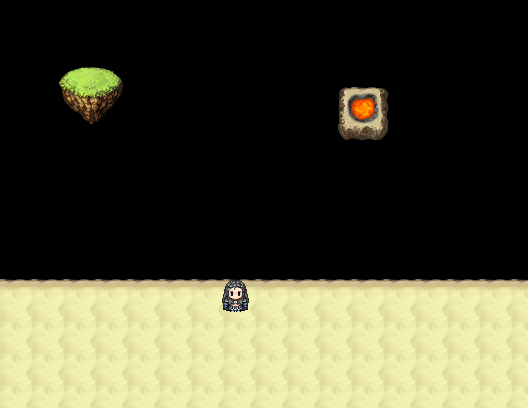
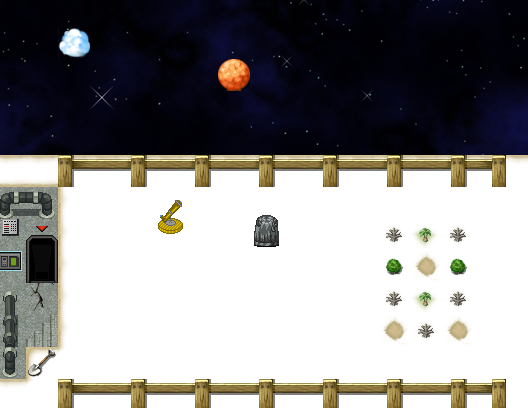
Early in the design stage I did a little mock up in RPG Maker to get a feel for the layout possibilities and what the character moving through the space is like.
It's really cute and honestly I want to play this game too.
14 days until release.
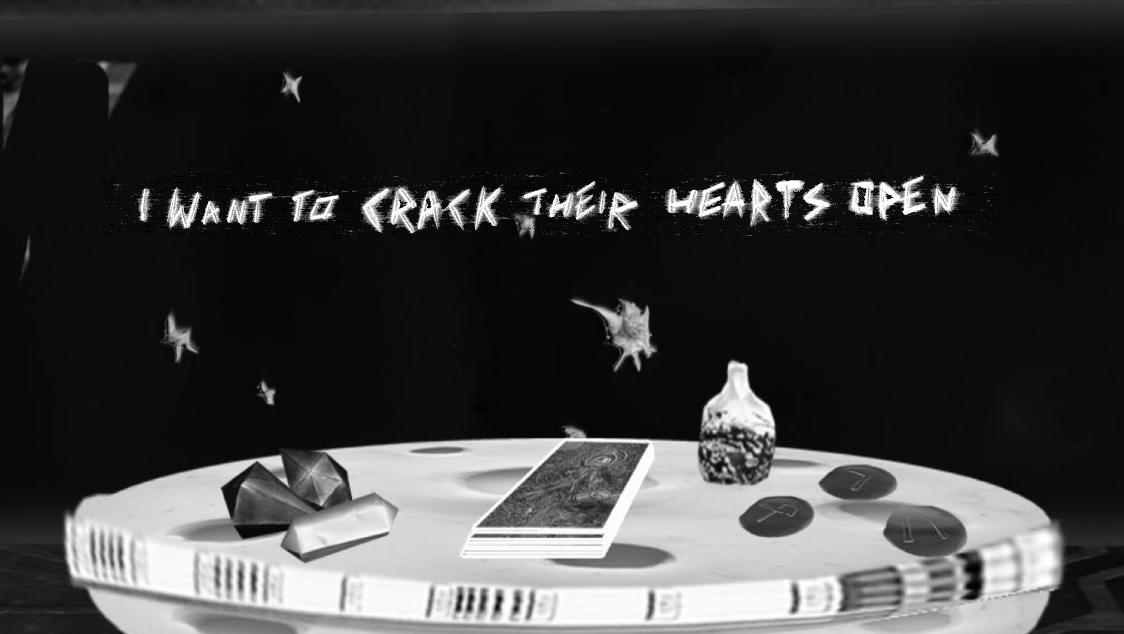
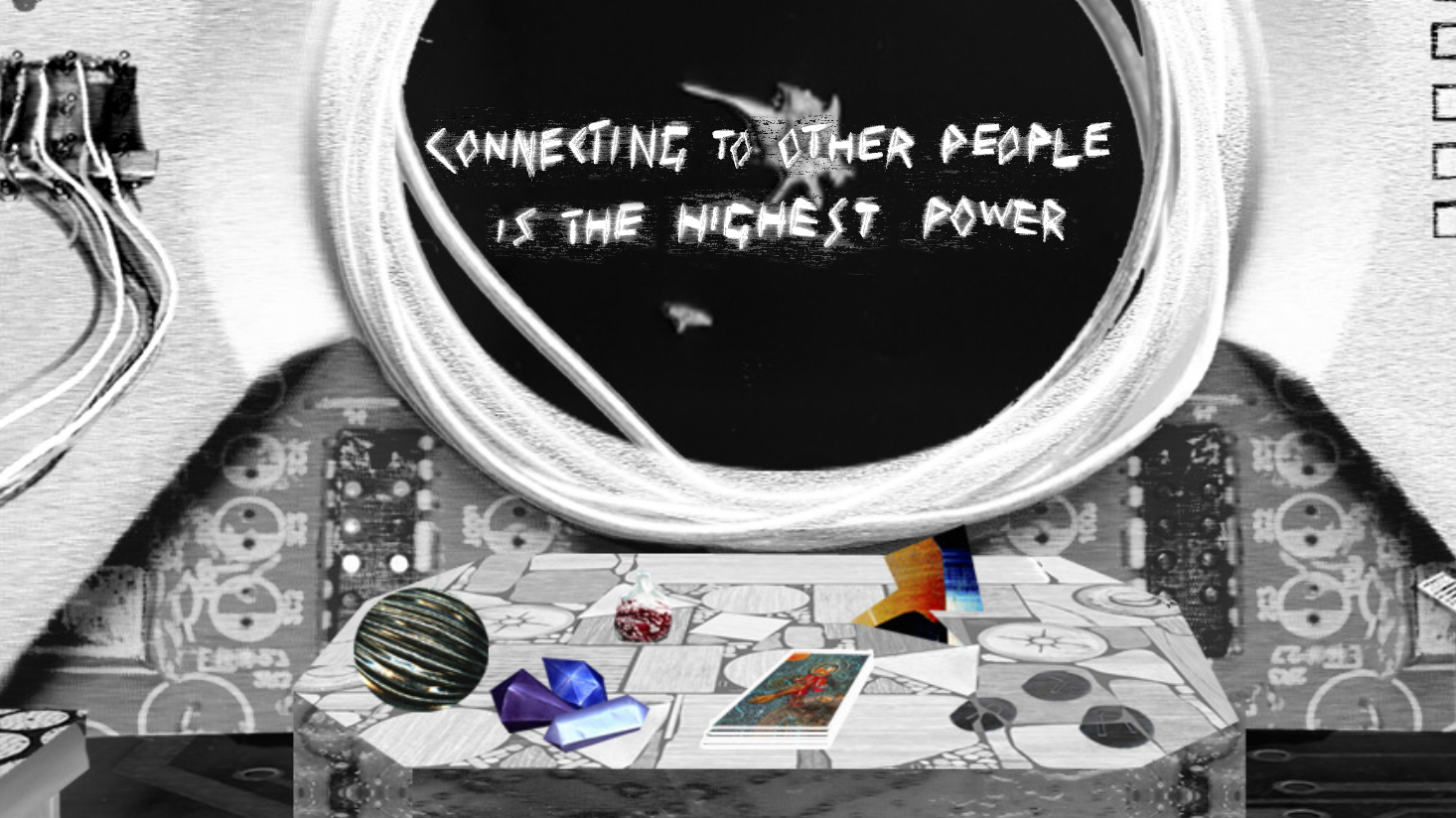
The Altar
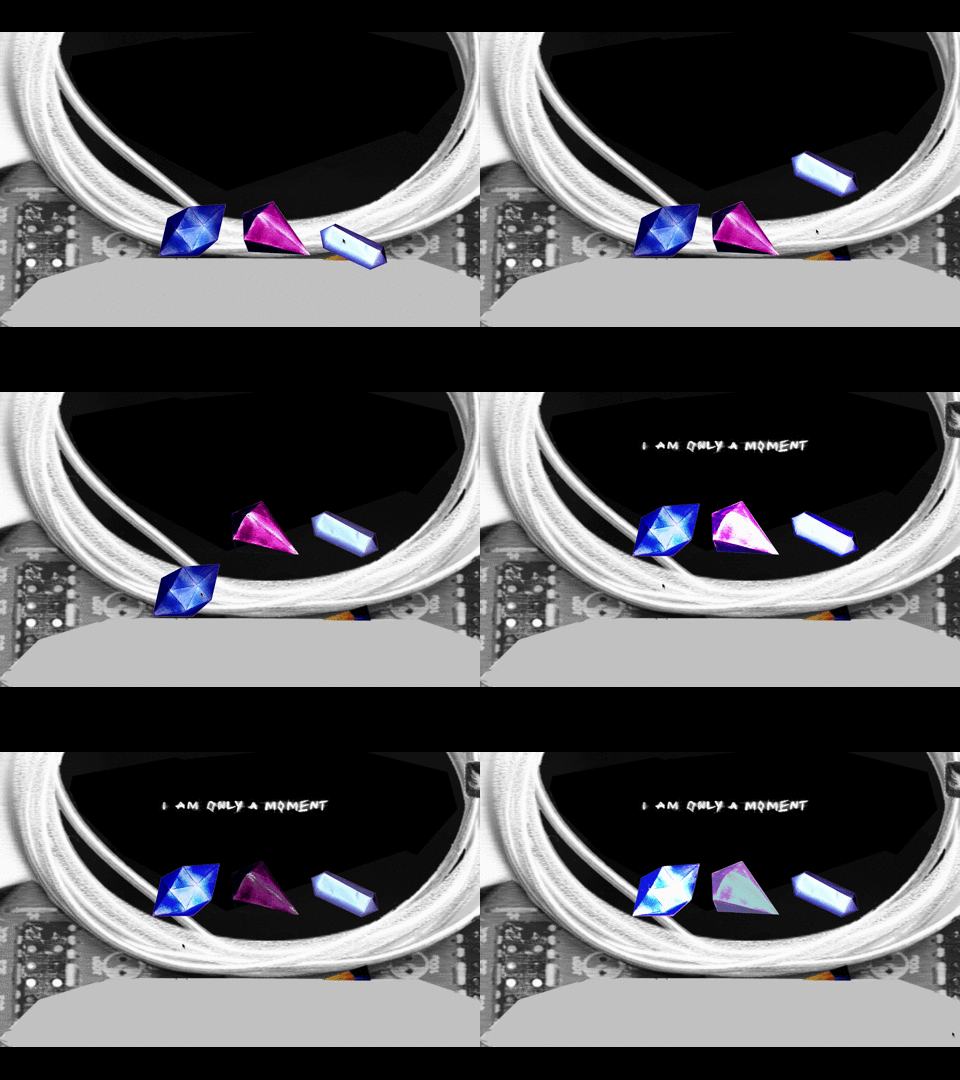
These images are some of the altars we tried out. As always when looking at early versions: wow, colour!
Everyday the player must go to the altar to perform a ritual to receive that day's mantra. First one must arrange the altar objects in a specific way. This is a memory game that resets each week. On the first day, there will be one object. On the second, there will be two. The third, three, and then continued until 7. The player must press them in the order they appeared, so theoretically must remember the order they appeared. In actuality, you can just tap them all until you find the right one. I wouldn't want to lock people out of it really; it's more like setting an intention to link all the days together and start a pattern for that week. If you have played Ritual of the Moon at a gallery or festival, you would have played the "simon says' version which wee made specifically for exhibition, where you tap after it animates. and don't have to remember anything.
After the memory game, there is the connect the dots part which I talked about in a previous #RitualoftheMoonReflections. Then the player receives their mantra for the day. There is about 60 different mantras - but I swear I always get the same 4! These mantras were woodburned by me 5 years ago. Some of the mantras are trite, some are dark and sad, some might ring true with the player. Because the game is about self-reflection on emotional states, the mantras are there to prompt that reflection. It's not a fortune, it doesn't have to be "true" to instigate self-reflection, just like tarot and astrology. It's more meaningful that you think about it and situate yourself in relation to the given information.
15 days until release.
Embroidered Text
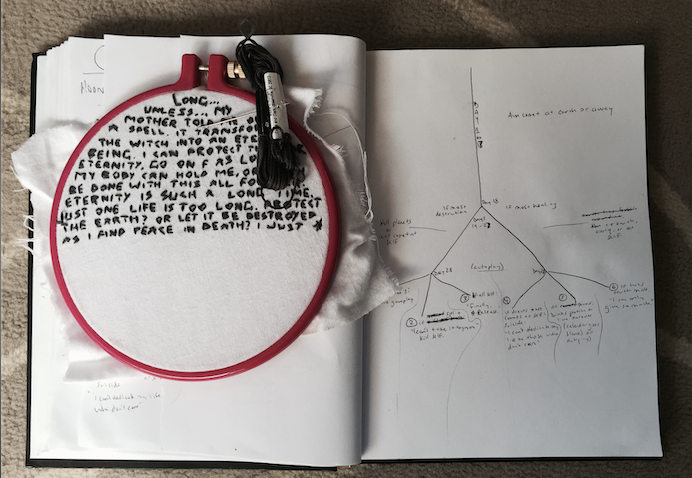
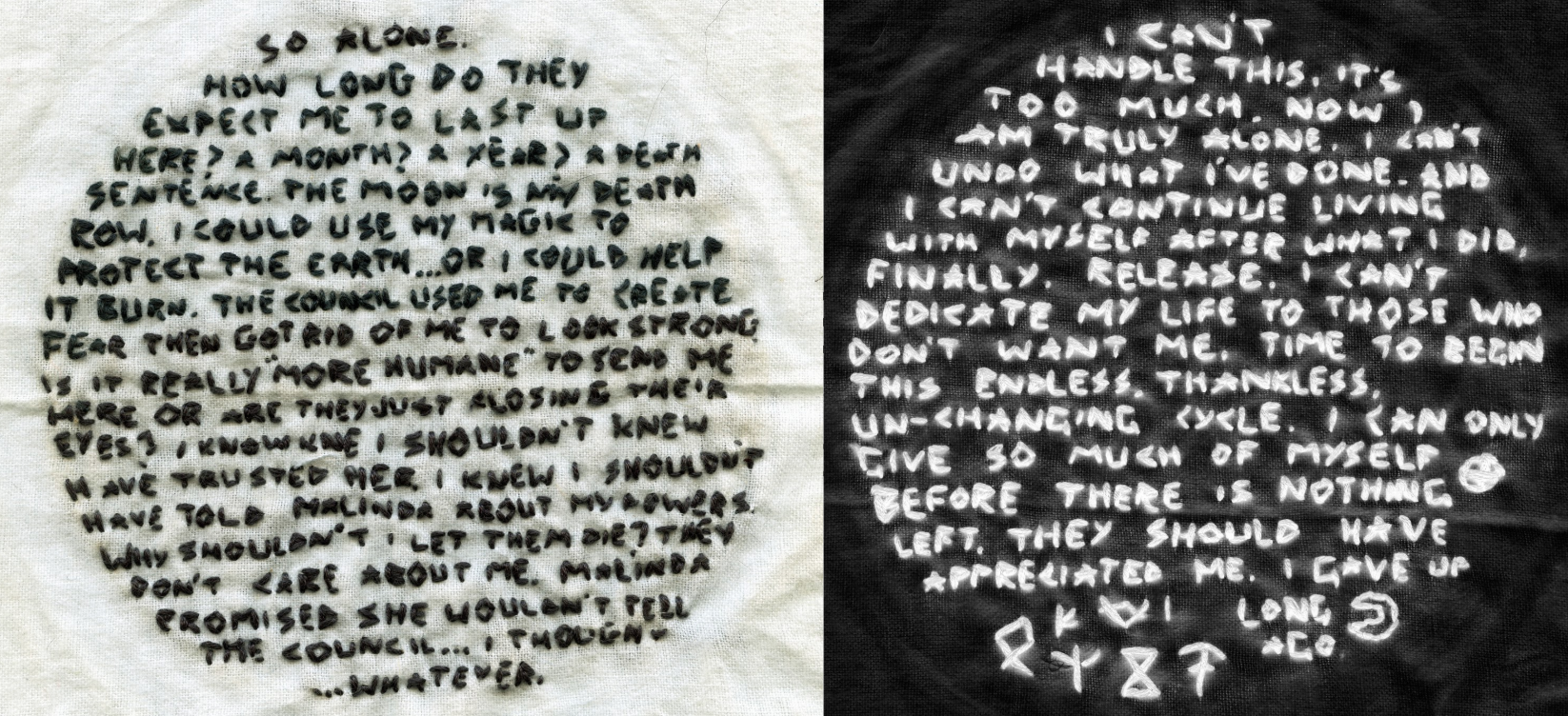
I wrote the story of Ritual of the Moon in the first half of 2015. A few months later I hand embroidered all the witch's inner dialogue. It took about 5 of those embroidery hoops. Multiple people have told me I could have made a font set - I know I could have! But I didn't want to make a font set because I didn't want all the Es to look the same or the "the"s to look identical. I'm asking the player to play for 28 days, so what is 2 months of doing embroidery in my spare time?
It was a great editing process. I had to be very thoughtful with the words I used and the space it took up, making it short and bittersweet as possible. Of all the parts of working on Ritual of the Moon, this was probably my favourite. I love writing and I love sewing by hand.
I hope I find a reason to do something like this again.
16 days until release.
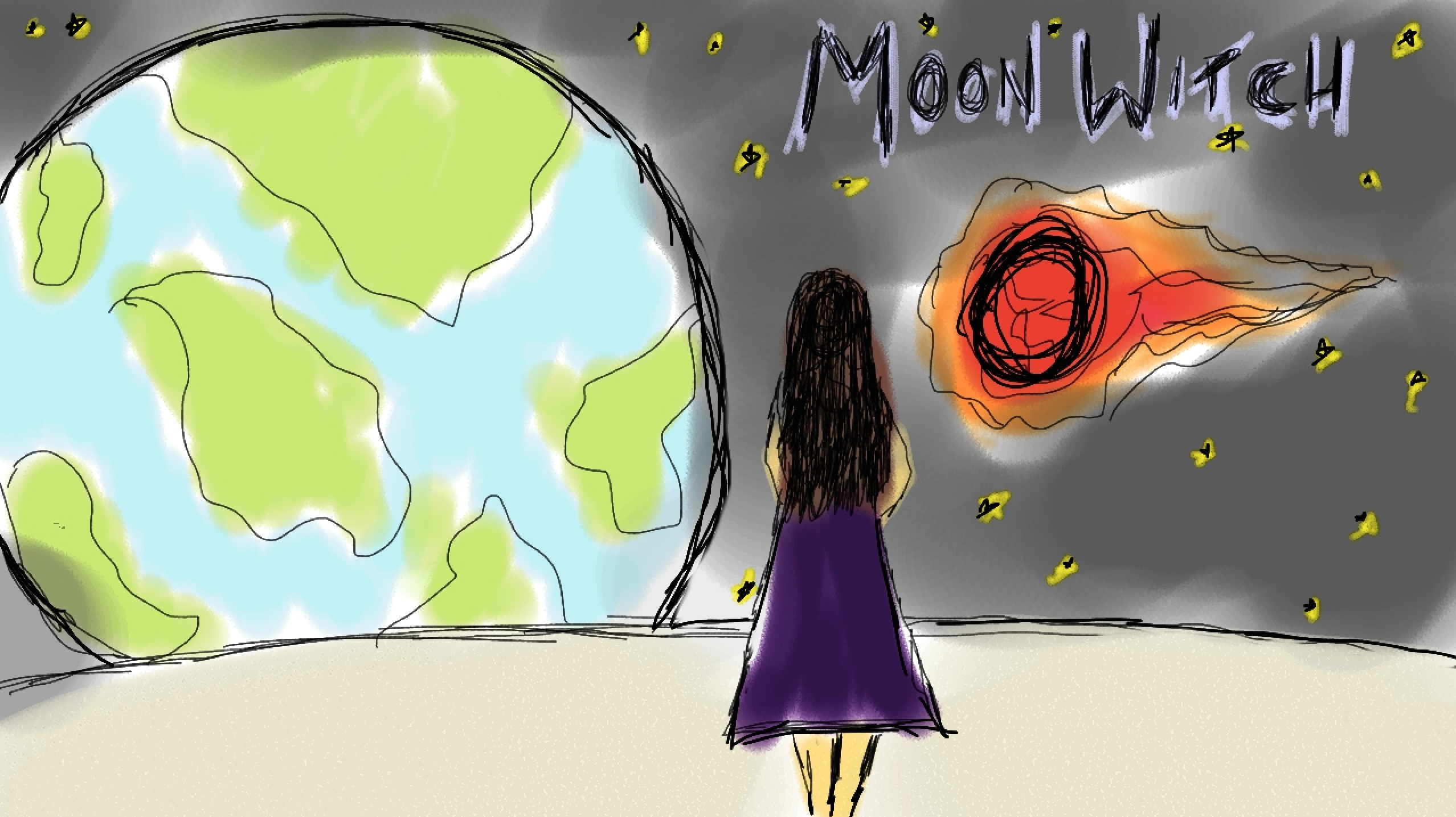
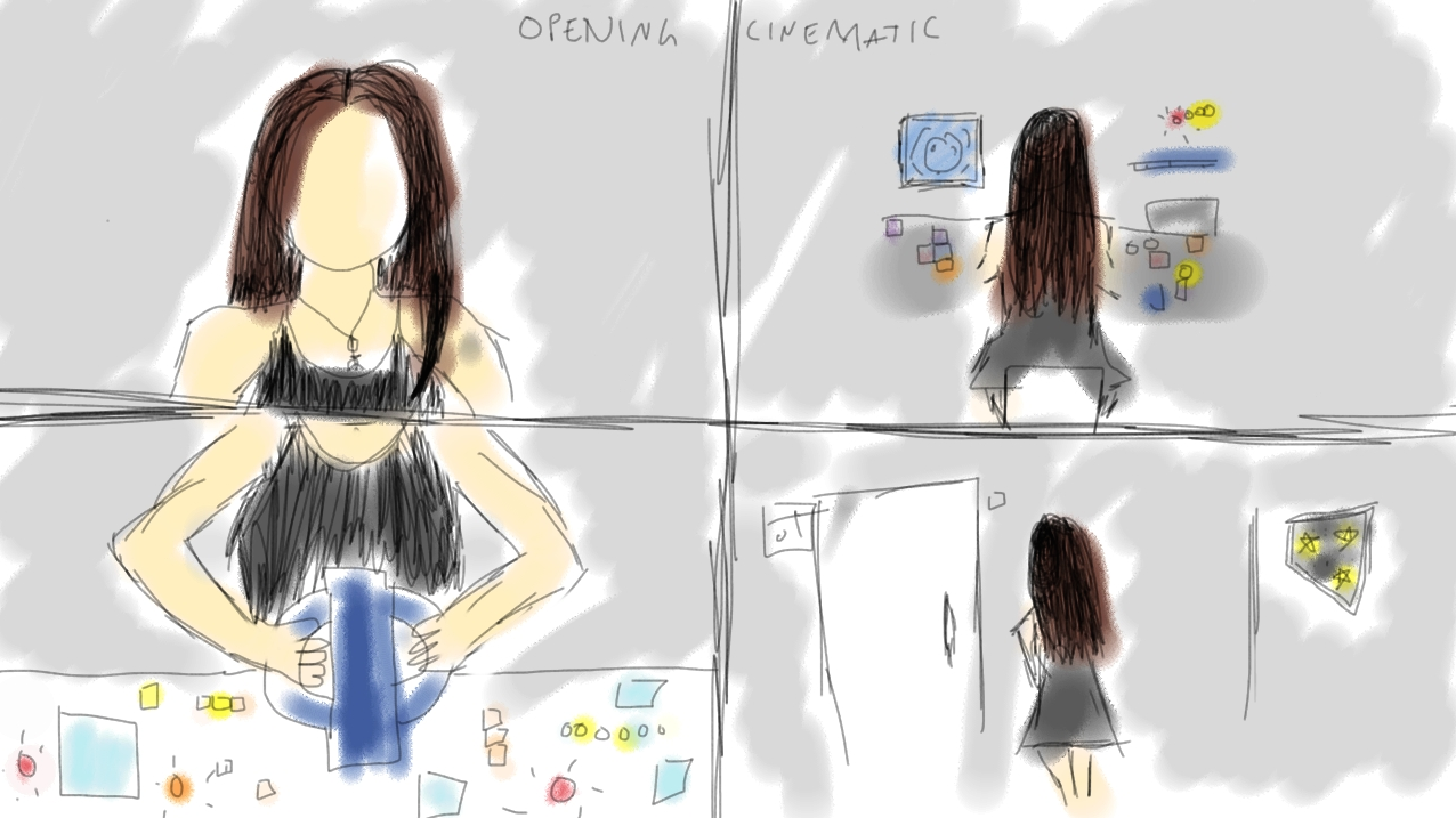
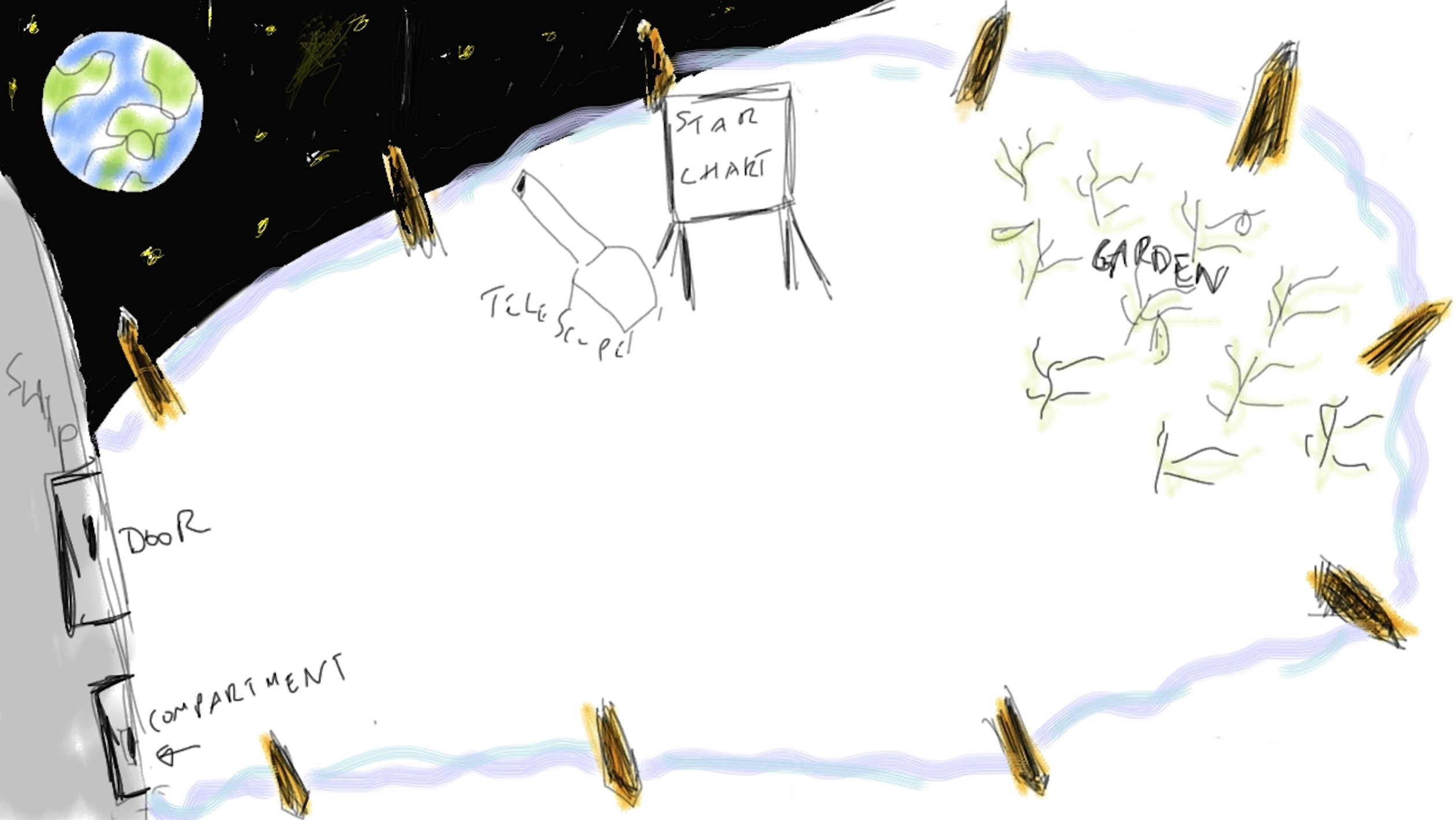
FIrst Sketches
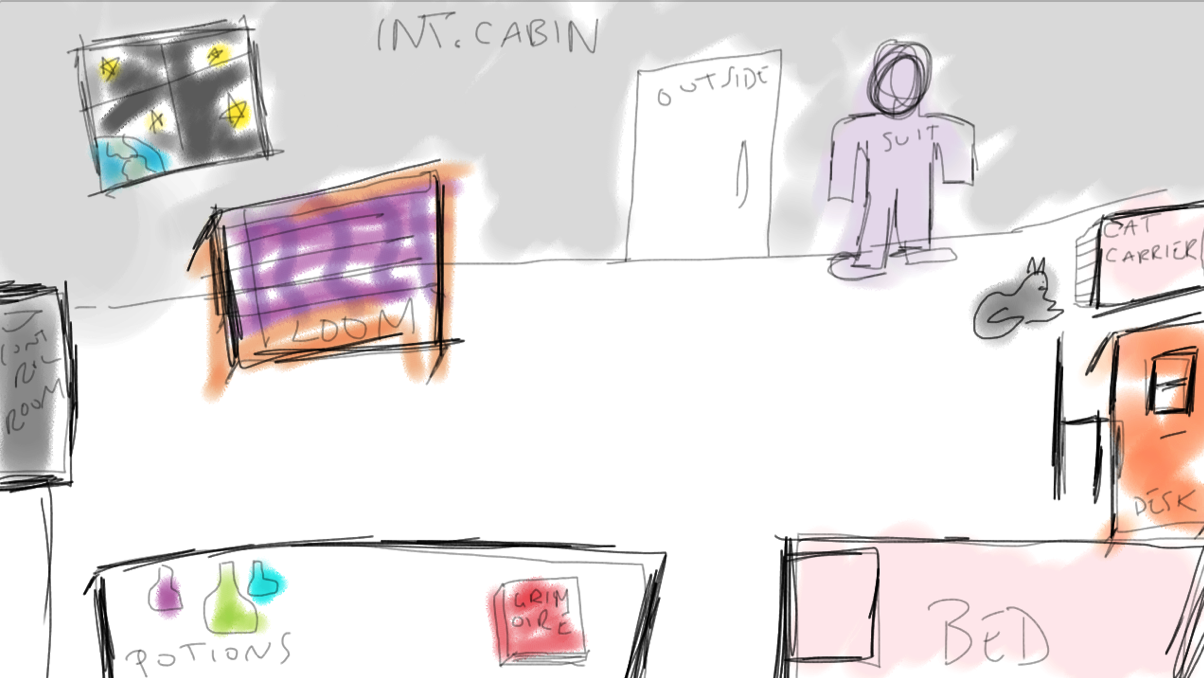
These images are thee first digital sketches I did of the layout of Ritual of the Moon. This was back when it was under the working title "Moon Witch", had an inventory, resources, and an opening cinematic. She used to have a cat! But now she's all alone.
At the time I I drew this I was thinking that it would be water colour-y digital animation for the visuals - and I obviously was going to hire an artist! I think everything about it R o t M now is way better, the art style, the stripped down design... but maybe the earth should be that big again?? Doing these reflections and looking back on old art does affirm some choices but makes me reconsider others. I don't think there is any way around that. All I can do it look at it as a product of the time it was made.
17 days until release.
Talking about R o t M
https://www.youtube.com/watch?v=_G6p8dAscTk
I've given many talks where I discuss Ritual of the Moon. Sometimes it is easy and sometimes it is hard. I gave a 15 minute talk specifically on RotM, a "mid-mortem", at the Queerness and Games Conference in Los Angeles in 2017. I used to be very scared of public speaking (skip classes where I had to speak level scared of public speaking) but I am thankfully mostly over it now. But sometimes it comes back. I can't figure out a pattern to it. QGcon is a generous audience. I had spoken at a previous one with no nervousness. But this time in 2017 I was really full of nerves. I felt like I couldn't catch my breath. I had a flash of "omg am I really going to tell this strangers I've been suicidal before???". I've been talking publicly about mental illness for almost 6 years now. It often feels like a script, devoid of any feeling. But sometimes it bubbles up. Here it did. I even thought the talk itself was really good - maybe the best designed one I had planned so far. It became a paper that I'll save talking about for another daily reflection. Maybe it was the wealthy, sterile environment of USC, maybe it was my period, maybe it was the alignment of the stars, but I couldn't catch my breath. I can't bring myself to watch the recording of it to see if it is noticeable in my voice, (but you are welcome to do so and play investigator!).
Two weeks ago I spoke briefly about Ritual of the Moon at GDC. When I was asked to be a part of the micro-talks I had a strong flash of panic. GDC's audience is not so generous. Each speaker is individually ranked which is horrifying. I knew the room would be packed with hundreds of people. But on the day I wasn't nervous like I expected. It felt like no big deal. So not a big deal that I felt quite empty after. What is the point of talking about these things? So few people will actually play the game. Am I destroying the experience of the game by explaining it to them instead? Will they get their fill of this idea just by hearing what it's about? I made very pretty slides though, so that's nice. (I'll save those too for another reflection).