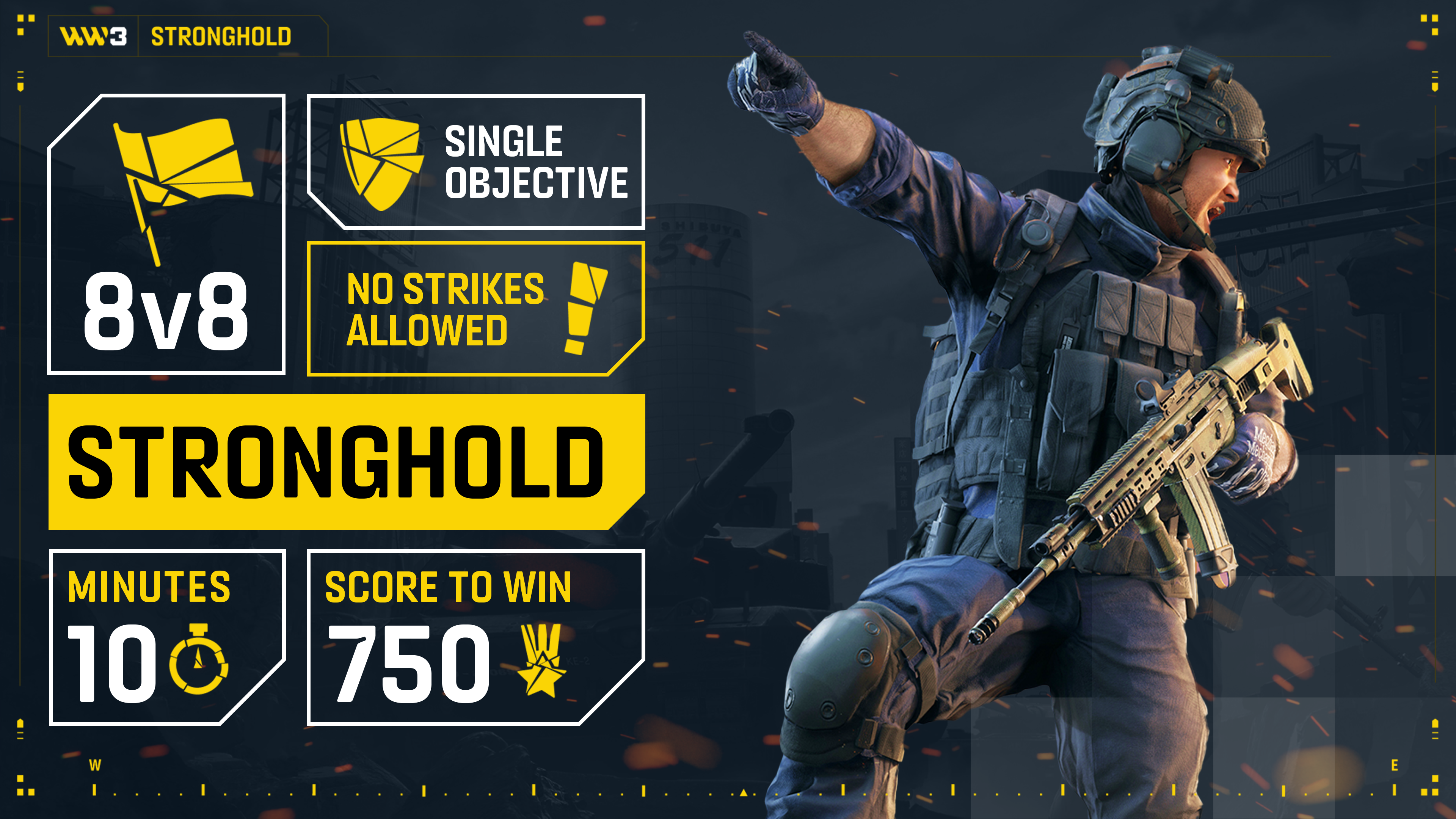
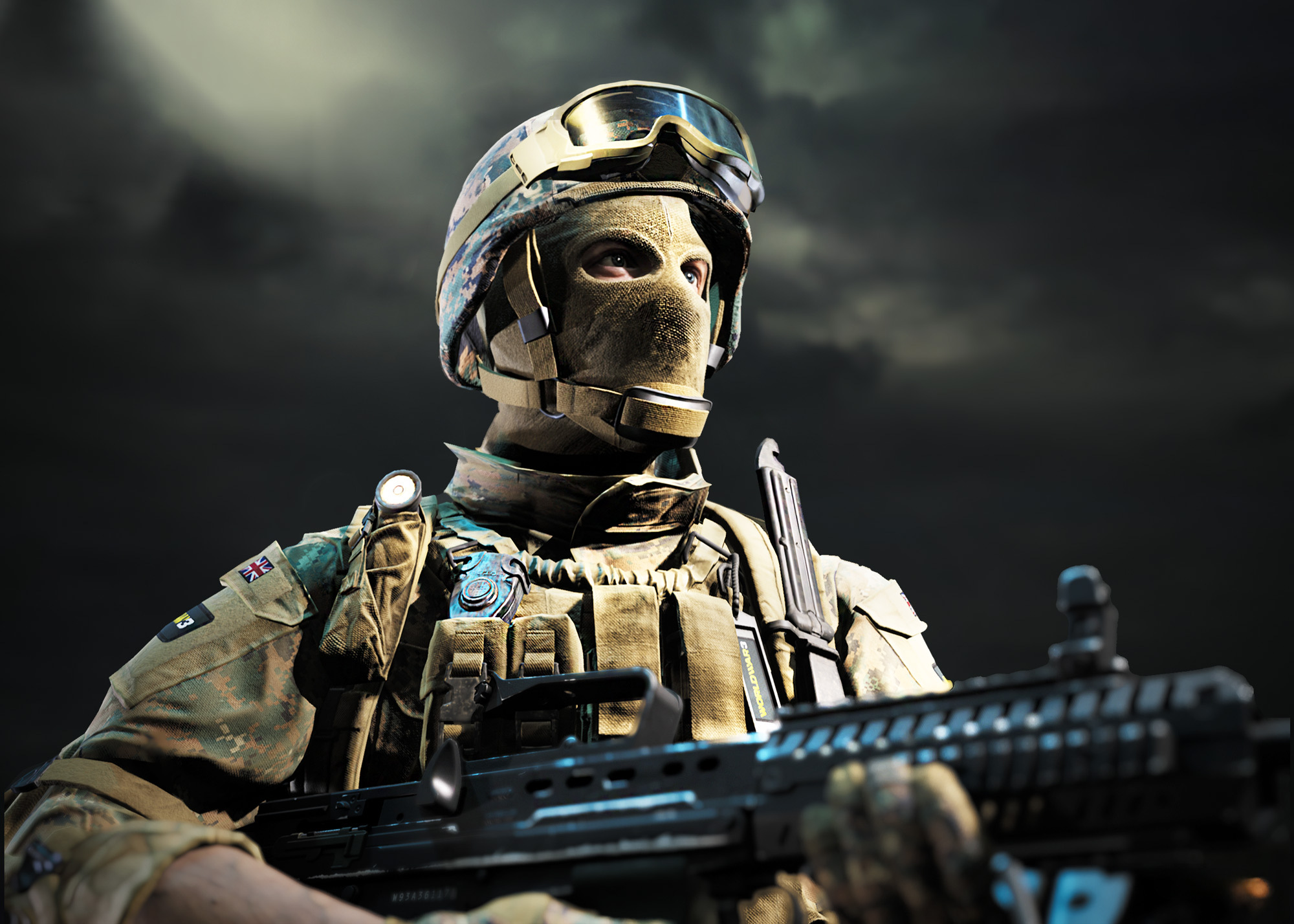
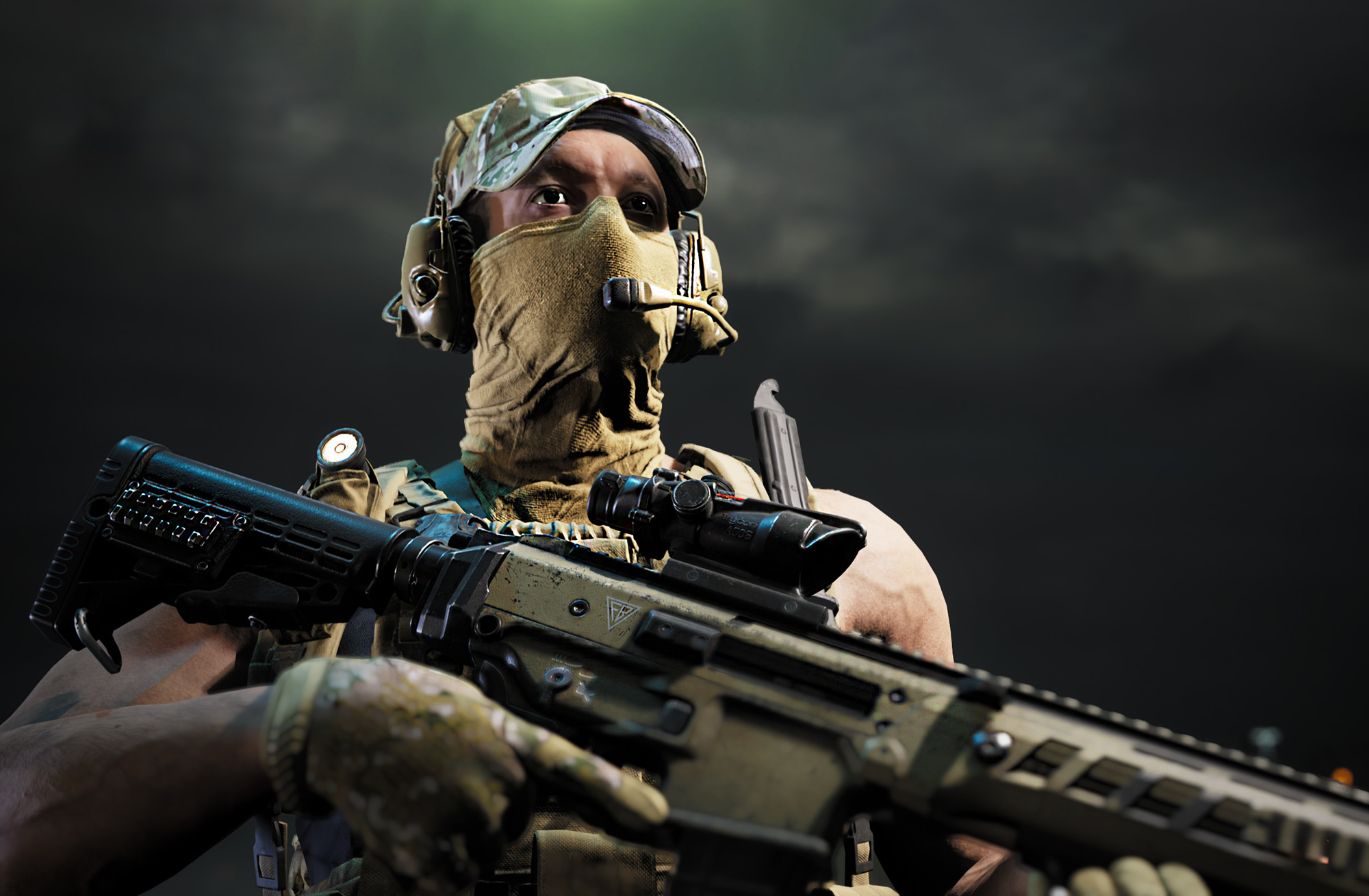
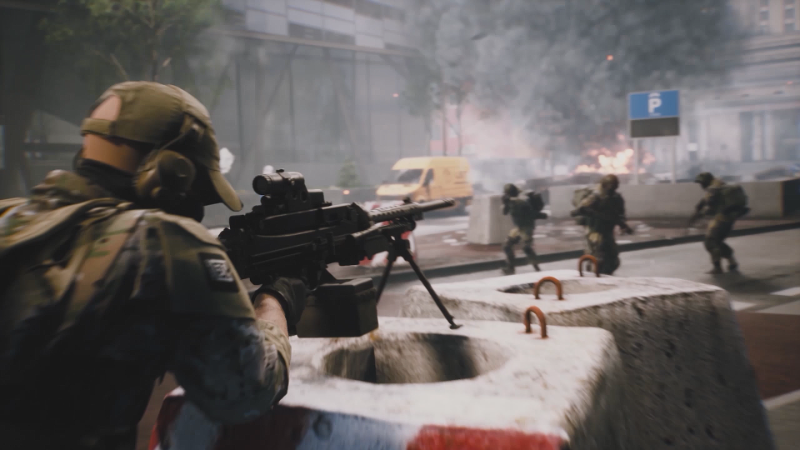
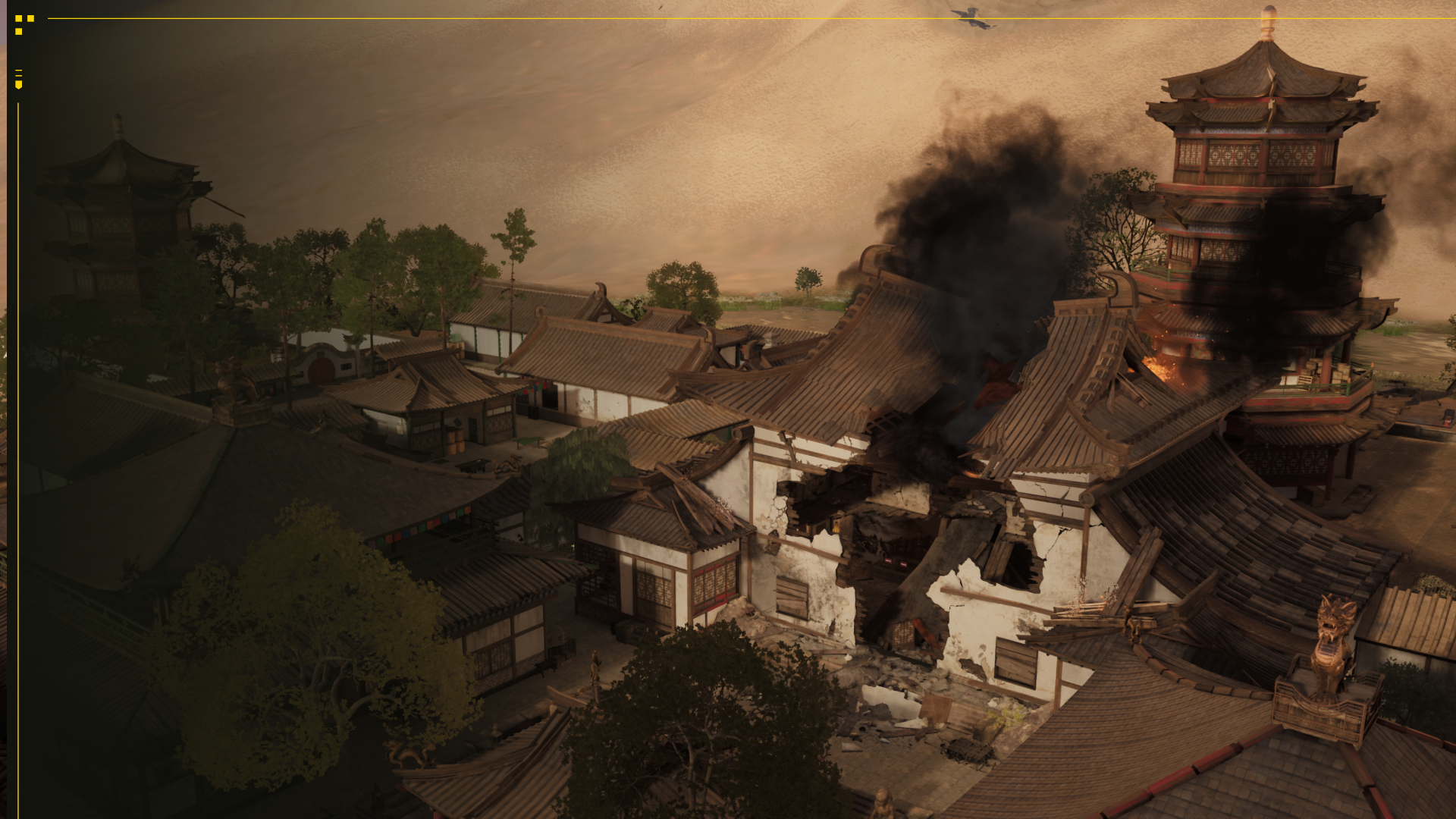
In this week’s Boot Camp series, we will be exploring the Stronghold gamemode. It is our latest addition, aimed at helping beginners have a more stress-free environment to learn the basics of the game, such as gunplay, capturing objectives, teamplay, and movement. We aim at having new players enjoy their experience without having to worry about more than the basics or being obliterated by higher levels. For this reason, this mode also has separate matchmaking tiers which allows users who have not yet played 2 games to not meet players who have.
Rules:
The Rules of Stronghold are simple.
8v8.
10 minutes.
750 score to win.
Single objective.
No strikes are allowed.
Bots are present in this gamemode.
The Objective
Stronghold has one objective. Capturing it will increase the score of your team. This should be your priority, as playing the objective will grant you the largest amount of points, and therefore the highest amount of XP for your guns and account. Like in Tac Ops, the objective will be captured quicker if more players from one squad are present. Once captured, ensure that you secure it from numerous angles. This objective location has many entry points, and the enemy can be anywhere.
Bots
Bots will fill the space of any missing player. These bots will play the objective and can give you missing supplies such as health, ammo, or equipment. You can request supplies from a bot with the specific pack by pressing “X” on them. They’re extremely helpful! You may also request the same items from players, by using the same method, after which they will be notified that you need whatever they have.
Spawning
In Stronghold, you are only able to spawn in your team’s base. There are numerous ways out of the base, which let you bypass enemies close to a certain exit, or approach the objective from a safer position. Switch up your tactics to not let the enemy predict you easily.
Team Play
In order to be an effective team player, and earn the maximum amount of points, ensure that you’re:
Capturing the objective with your squad.
Dropping med, ammo, and equipment packs for your teammates.
Thank you for reading! We hope this article has answered some of your questions and helped you navigate the game mode. The new player experience is very important to us, and this mode as well as this article series are core components of helping new players get ready to face incoming challenges. Help us help them by sharing this article with someone who might need it! See you next time!
Dispatches from the "Box": My Ratnik
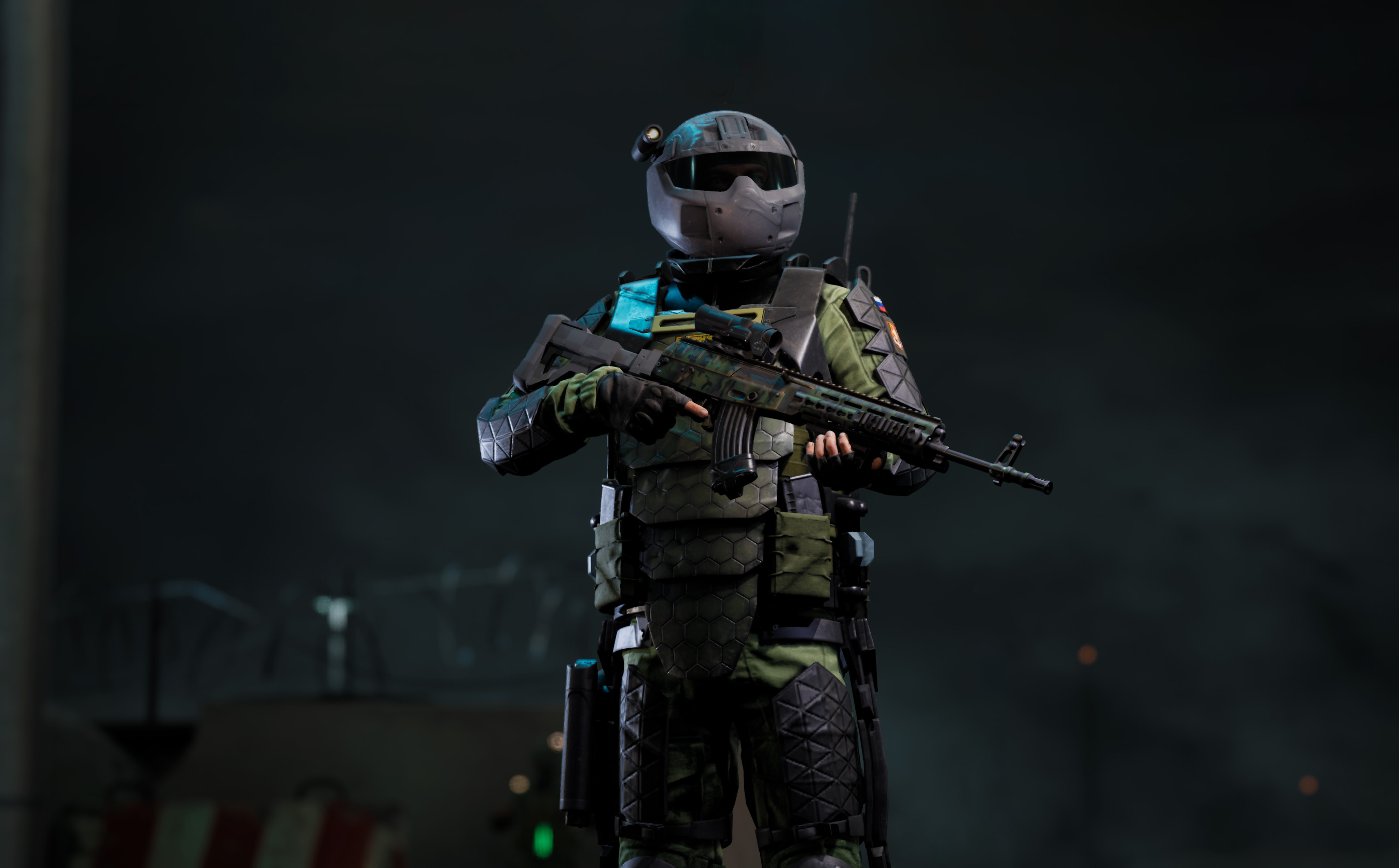
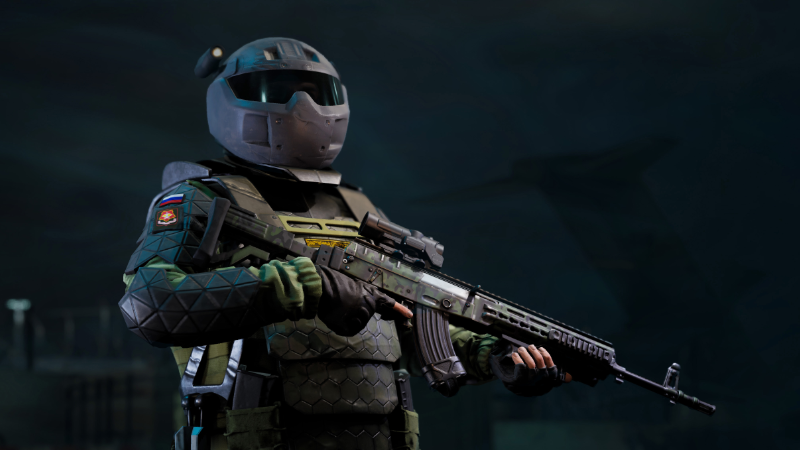
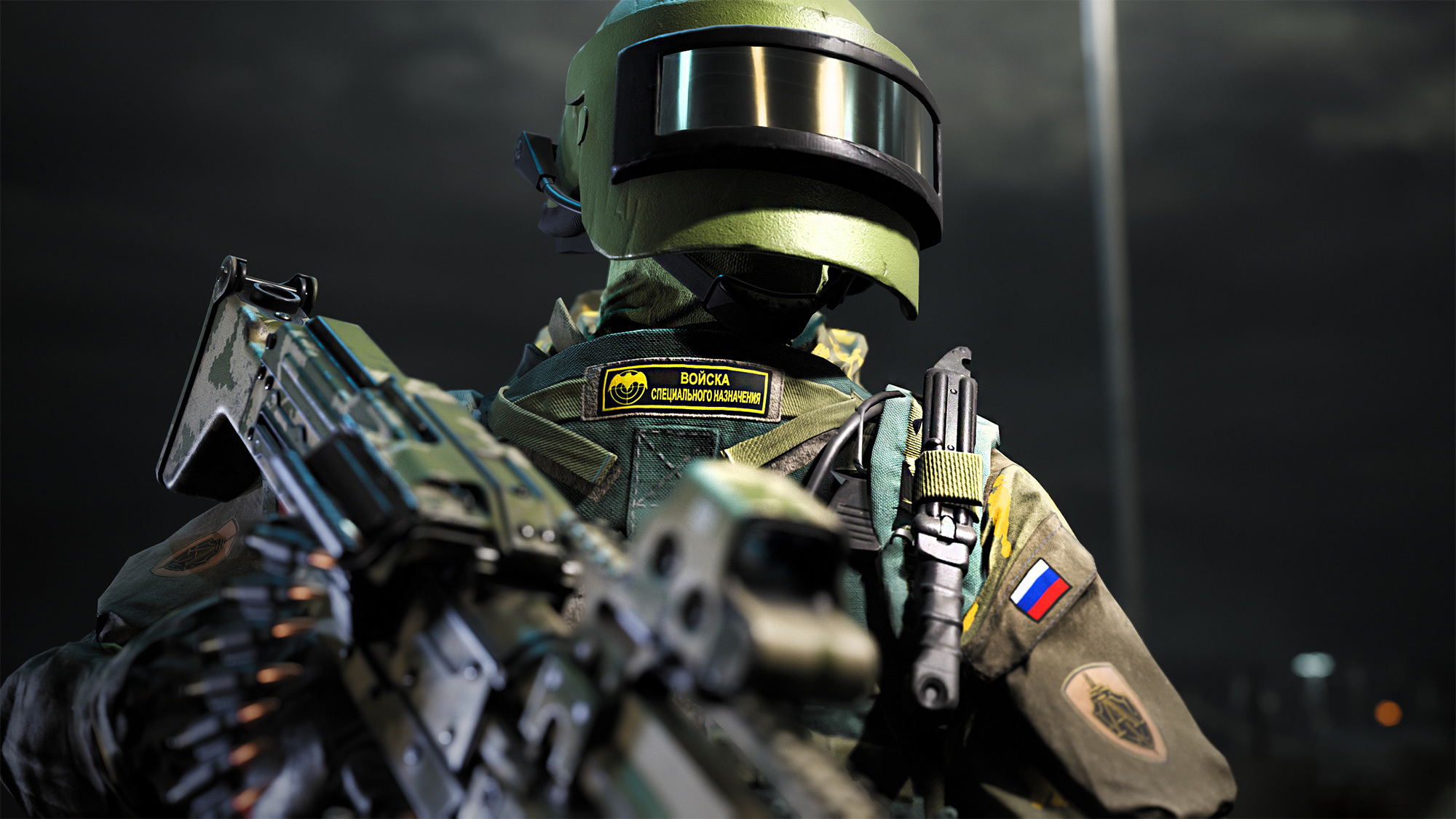
My name is Alexei, callsign "Granit". Senior Sergeant, contract service. Specialization – assault operations, reconnaissance. I've got more than a few years of service and deployments to various "hot spots" behind me. And for almost all that time, my constant companion has been it – my "Ratnik 3" combat gear set. I want to tell you about it not from the PR brochures, but as it is, from the perspective of a simple soldier for whom it’s like a second skin. You know, it's a strange feeling when you stop noticing the weight. It's not like those kilograms of armor, sensors, and other kit disappear – no, they're there, on your shoulders, chest, legs. But they become… an extension of you. Like an arm or a leg. I've done so many ops in "Ratnik" that without it, I feel naked, vulnerable.
The first thing you appreciate is the protection. I remember in the North Caucasian region, during a clearing operation in a mountain village, a sniper bullet ricocheted off my chest plate. The impact was so strong I almost couldn't breathe, but I was unharmed. And my buddy walking next to me said then, "Looks like your guardian angel is wearing your 'Ratnik' size today." In those mountains, where every rock could hide an ambush, and shrapnel from IEDs flew everywhere, this "box" proved its worth many times over.
The communication system is your voice and ears in combat. Clear, no interference, even when it’s roaring around you so loud it feels like your eardrums are about to burst. During a peace enforcement operation in a neighboring state, when our column came under heavy mortar fire, it was the coordination through the "Ratniks" that allowed us to quickly get our bearings, suppress the enemy firing positions, and evacuate the wounded. I heard the commander, I heard the guys from the group, every rustle, every warning. Information is half the battle in our line of work. And the "Ratnik" gives me that information. The helmet-mounted display (we call it a "monocle," though it's more like a built-in HMD) shows a map, thermal imager data, and a command feed. You don’t have to constantly stare at a tablet, distracting yourself from the situation. Everything is right in front of your eyes. It saves precious seconds.
Ergonomics – that’s something I’m especially grateful to the engineers for. Yes, it seems cumbersome at first. But then you get used to it, and you realize that every strap, every buckle is in its place. I recall a peacekeeping mission in an African country, where we had to patrol scorching hot streets and jungles for hours. Of course, it was hellishly hot, but the "Ratnik's" design allowed for reasonably free movement, to quickly take a firing position without feeling like you're encased in knight's armor. Crawling, rolling… Modularity is also a huge plus. Depending on the mission, you can attach additional pouches, a first-aid kit, a canteen, special equipment. Everything is at hand. For desert operations, we used lighter kits; for urban combat, maximum protection.
As for the "active" elements – that’s leaning more towards exoskeletons, but our "Ratnik" has its own tricks. For example, the built-in air filtration system, if we're working in smoke or with the potential use of chemical agents – that helped us a lot during the clean-up after a man-made disaster at a facility in the North, where all sorts of nasty stuff was in the air. Or the power supply system for all these gadgets. The batteries aren't eternal, of course, but they last long enough for a standard operation with some to spare.
Is it heavy? Yes, if you're standing still and thinking about the weight. But when you're in the thick of it, when adrenaline is pumping, when you need to complete the mission and cover your comrades – you forget about the weight. Whether it's assaulting a fortified area somewhere in the steppe zone on the border or quiet observation work in the forest, you are part of a well-oiled machine, and the "Ratnik" is your indispensable tool. It doesn't make you a superman, it doesn't grant invulnerability. It doesn’t forgive mistakes. But it gives you a chance. A chance to survive, a chance to complete the order, a chance to return home.
Of course, there are downsides. It's, to put it mildly, uncomfortable in the heat. Mobility is still limited compared to light gear. But it's a compromise you make consciously. Because the price of that compromise is your life and the lives of your brothers-in-arms. And it doesn't matter where you are – in the mountains, in the desert, in a ruined city, or in the cold tundra – it's your shield. So yes, the "Ratnik" isn't just armor. It's my office, my fortress, my loyal partner. And I trust it. It already has so many scratches and marks, and each one could tell its own story. A story of survival. A story of victory. And as long as I'm in service, it will be with me.
Granit, over and out.
WW3 Boot Camp || TAC OPS
Welcome to our new article series, World War 3 Boot Camp! In this series of articles, we will aim toward guiding newer players with knowledge that can help them improve their playstyle and understand the various aspects of the game better. Our first article will aim at shining a light on our Tac Ops gamemode. It is the game’s core gamemode, and we wish to make it more clear to newer players about certain rules or possibilities of the mode. In our upcoming articles, we hope to explain even more of the game, including customisation, vehicle and anti-vehicle gameplay, squad play, and much more.
Rules
The Rules of Tac Ops are simple.
20v20.
30 minutes.
5000 score to win.
Each pair of objectives captured increases the team’s score.
Vehicles and other strikes are allowed.
Objective Linking
Tac Ops has 6 objectives. A1, A2, B1, B2, C1 and C2. Both objectives of each letter have to be captured in order for your team to begin gaining score. The more you own, the faster your team earns the score. Holding one objective pauses the score gain.
The objectives will be captured quicker, depending on the number of people from the most numerous squad on the objective. For example, Squad A has 2 people. Squad B has 1 person. The objective will be captured based on the number of people in Squad A. It is the number of people in a squad that matter, not the team. Make sure to coordinate with other squads in order to most effectively capture the battlefield!
Spawning
In Tac Ops, you are able to spawn on any member of your squad, in your base, inside your team’s spawn truck, on captured objectives, and in the event of holding no objectives, you are able to spawn on a mercy spawn.
However, if the enemy is present on an objective, you will not be able to spawn there until it is clear. In addition, if the enemy team is jamming you, you are only able to spawn on captured objectives, in your base, and on a mercy spawn. Make sure to take down enemy jammers using larger caliber guns, or the Piorun AA launcher.
Strike Points
In Tac Ops, each action rewards you with Strike Points (SP). Make sure to use these regularly, and earn as many as possible. Capturing objectives and destroying vehicles will net you the most. These allow you to use your UAVs, jammers, vehicles, missiles, artillery strikes and bombing runs. These will be crucial to winning, as they will provide you with more firepower, intel, or will deny the enemy their own intel. In addition, finding a locker in game will allow you to switch your currently equipped loadout for 500 SP, without the need to respawn.
Team Play
In order to be an effective team player, and earn the maximum amount of SP, ensure that you’re doing the following:
Capturing objectives with your squad and following squad leader orders.
Eliminating enemy vehicles and drones. Remember to keep dedicated loadouts for this, so you may counter them when needed.
Dropping med, ammo and equipment packs for your teammates.
Repairing and supporting your friendly vehicles and drones. You can equip a repair tool by interacting with a vehicle or drone through the “4” button.
Giving your teammates intel via UAV strikes as they attack or defend an objective.
[TAG-30]
Thank you for reading! We hope this article has answered some of your questions and helped you navigate the game mode. See you next time!
WW3 Tech files: Leopard 2
We are starting a new series of articles in collaboration with our second game Armored Warfare!
You will be able to learn from them more about the armoured vehicles available in World War 3. Enjoy reading!
A full list of already published articles can be found in this thread.
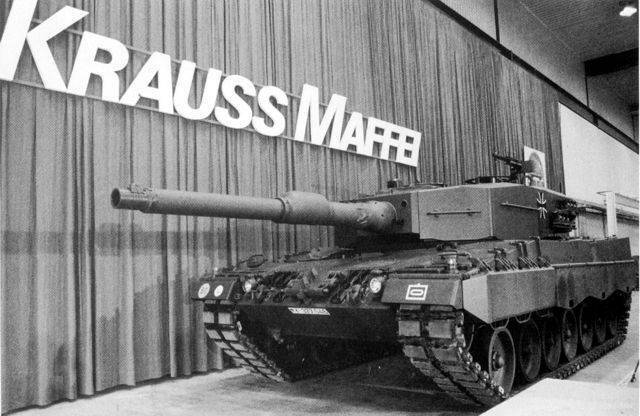
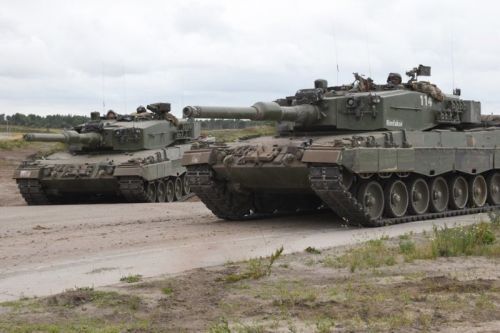
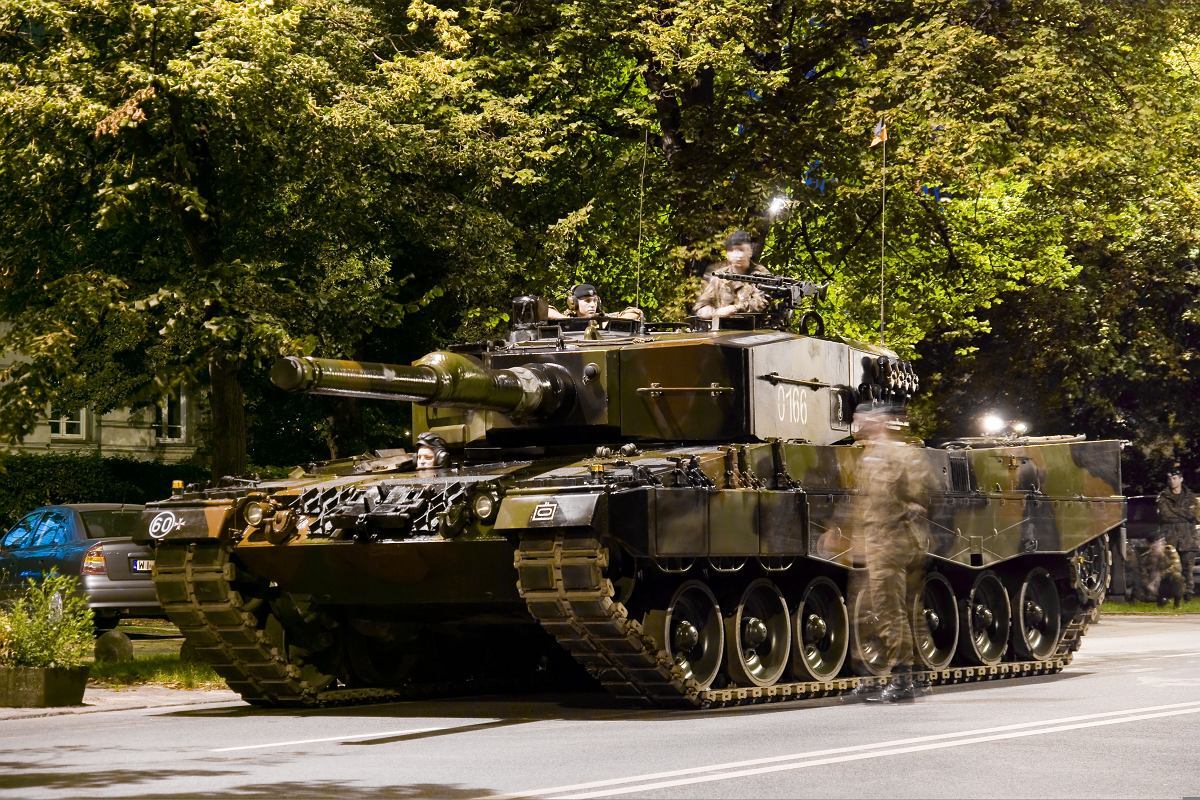
Following the development of Leopard 2 prototypes and extensive testing of the vehicle in the United States in the form of the Leopard 2AV, the Leopard 2 was approved for mass production in September 1977 as the future Main Battle Tank of the German Army (Bundeswehr). What started as a replacement for the aging German M48 Patton became one of the most successful MBTs ever built.
The first production Leopard 2 was delivered to the Bundeswehr for testing in 1978, nearly 40 years ago. The Bundeswehr officially received its first Leopard 2 MBT (fourth built) on October 25 1979.
The Armored Warfare Tier 7 Leopard 2 covers the initial variants of the Leopard 2 up until Leopard 2A4 modernization (the first major Leopard 2 upgrade). The initial 1977 Leopard 2 production plan called on 1800 vehicles to be built and production consisted of eight production runs (batches).
The first production run (Batch 1 – 1980 to March 1982) consisted of 380 Leopard 2s produced by Krauss-Maffei (209) and Maschinenbau Kiel, part of the Krupp Group (181). The first six vehicles from this batch were delivered to the Munster tank school in 1979, 100 were delivered in 1980, 220 in 1981 and the rest of the first batch arrived in March 1982, replacing the M48A2G tanks in active units.
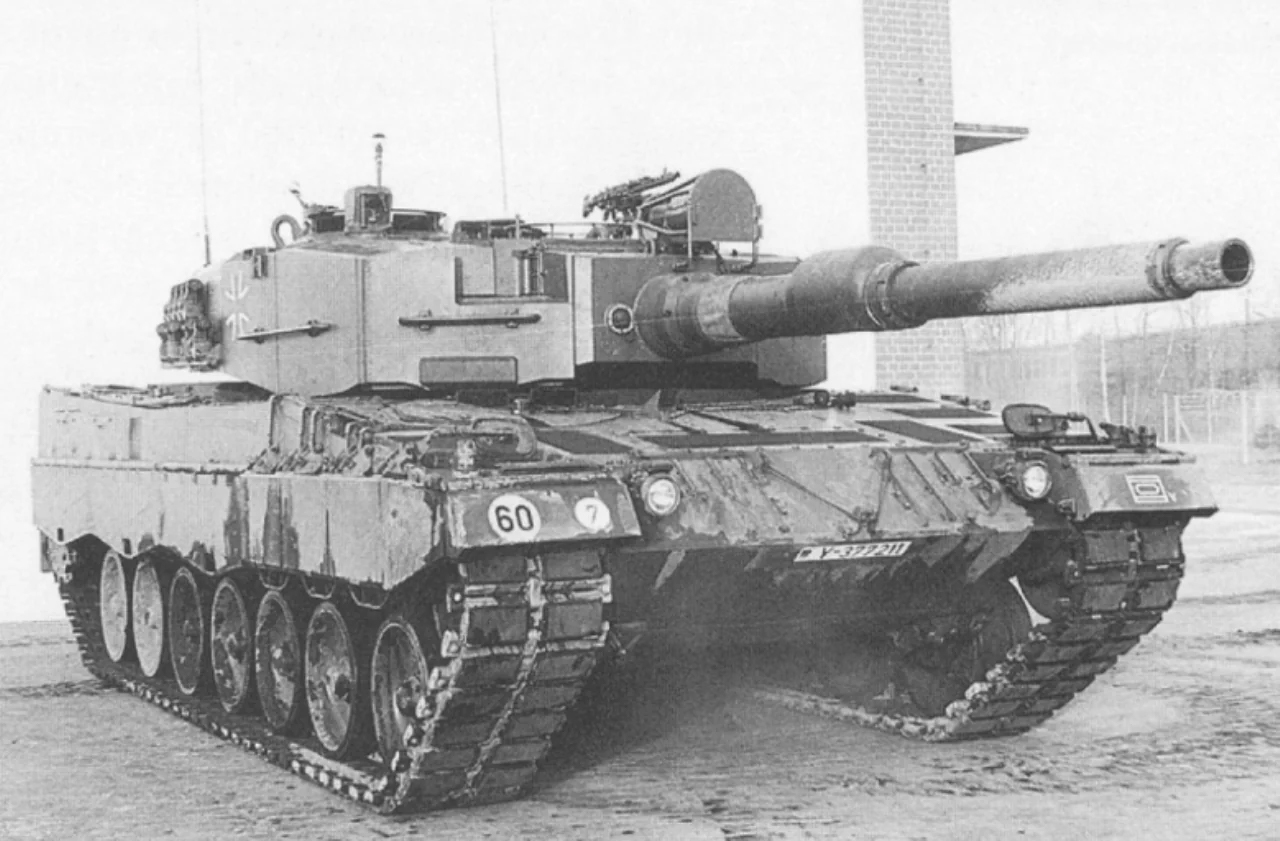
These initial batch Leopard 2s are usually only referred to as Leopard 2, or sometimes Leopard 2A0. The latter designation will be used in this article to avoid confusion with other Leopard 2 variants.
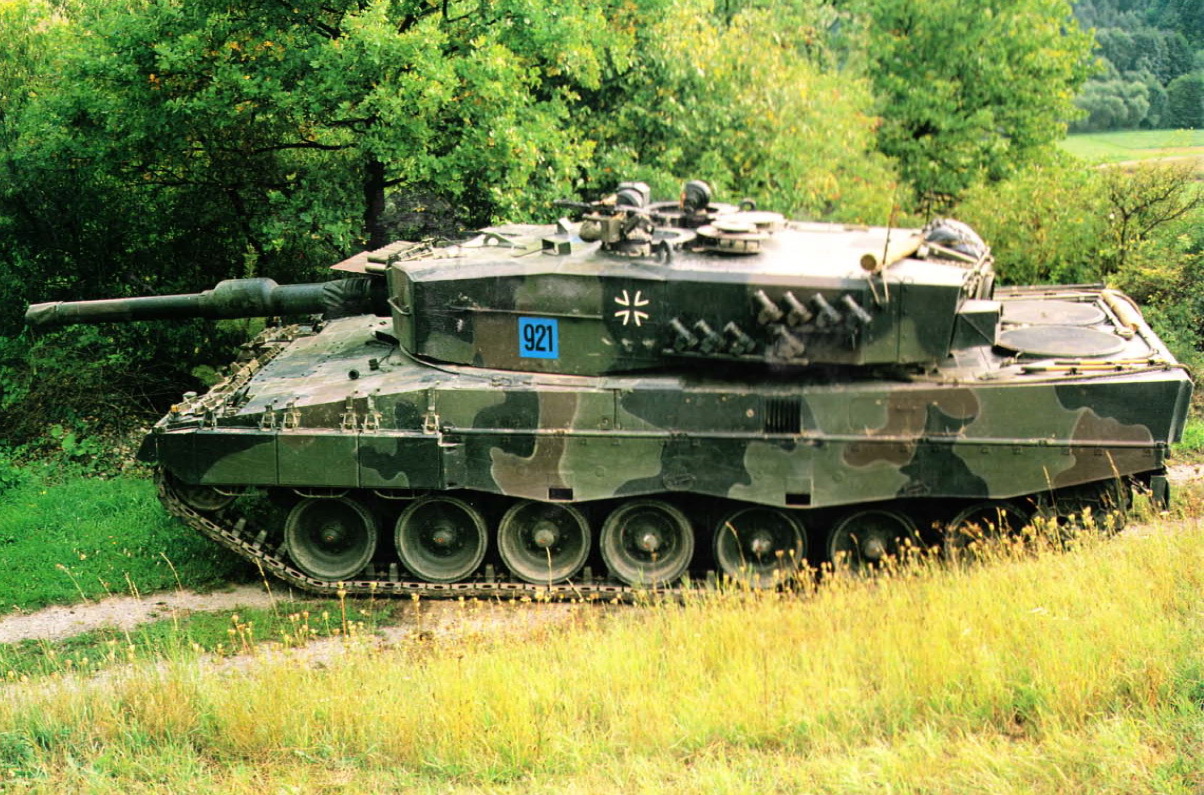
The Leopard 2A0 was very well protected. It did not use a reactive armor kit, but the majority of its protection was offered by an advanced system of multi-layer spaced armor plates covering the hull and the turret. The sides were covered by thick armored skirts where the frontal part especially offered additional protection in the most exposed angle of engagement. Actual armor effectiveness and layout is still classified. Protection was further enhanced by eight 76mm Wegmann smoke mortars in two groups of four, installed on the sides of the turret.
The vehicle wasn't the heaviest either with a combat weight of 55 tons. It carried a crew of four men (commander, gunner, loader and driver). The suspension consisted of seven roadwheels and four return rollers. The tracks were traditionally supplied by Diehl (the Diehl 570F model). The vehicle was powered by a 1500hp 47.6 liter MTU MB 873 Ka-501 turbodiesel engine paired with a Renk HSWL 354 hydro-kinetic planetary gearbox, giving it a respectable power-to-weight ratio of 27.27 hp/t and allowing it to go as fast as 68 km/h (31 km/h in reverse). Fuel consumption was approximately 300 liters per 100 km on roads and 500 liters per 100 km in rough terrain.
The Leopard 2A0 was armed with the excellent Rheinmetall L/44 smoothbore gun, moved by the WNA-H22 electro-hydraulic gun control system. The gun was controlled by the EMES15/FLT-2 Fire Control System and was fully stabilized. Two types of ammunition were used – an APFSDS-T round (DM33) and a multi-purpose HEAT round (DM12 MZ), both by Rheinmetall. The vehicle carried 42 rounds (15 in turret bustle). To improve its night-fighting capabilities, 200 of the first production run vehicles were equipped with a PZB 200 low level TV system, a stopgap measure before the arrival of more advanced night fighting solutions.
The first batch vehicles (pre-modernization) can be typically recognized by a tall crosswind sensor on the top of the turret, which was removed in later variants.
The second production run (Batch 2 – March 1982 to November 1983) consisted of 450 vehicles, built by Krauss-Maffei (248) and MaK (202). These vehicles were of the Leopard 2A1 variant. There were a number of differences compared to the Leopard 2A0. The crosswind sensor was removed from the top of the turret for one, but most important was the addition of thermal sights, replacing the ineffective PZB200. The sights were originally designed by Texas Instruments and were produced by the Carl Zeiss company as part of an American-German military cooperation program. Apart from that, there were a number of smaller internal changes, such as the ammo rack redesign, external crew comm system headsets on the sides of the turret etc.
The third production run (Batch 3 – November 1983 to November 1984) consisted of 300 slightly modified Leopard 2A1s. They are not easy to distinguish from the Batch 2 Leopards 2A1 as the changes are very small – for example, elevation of the commander's panoramic sights by 5cm.
With the third production run nearly complete, it was decided to improve the original Batch 1 vehicles (Leopard 2A0) to carry the Carl Zeiss thermal sights (replacing the PZB200). This program ran from 1984 to 1987 in parallel with partially the third, fourth and fifth production runs. The crosswind sensor was also removed and the third production run changes were added. These modified Leopard 2A0s were designated Leopard 2A2.
The fourth production run (Batch 4 – December 1984 to December 1985) consisted of 300 more vehicles. They were based on the Leopard 2A1, but they received new SEM 80/90 VHF radios and slightly different exhaust grilles. Along with these changes, the Batch 4 vehicles received a new Bronze Green, Leather Brown and Tar Black camouflage pattern. Additionally, ammunition supply hatches were welded shut for protection reasons (it turned out they could be damaged upon turret hit, causing the seals to leak and making the vehicle impossible to pressurize for NBC protection). These modified Leopard 2A1s were designated Leopard 2A3.
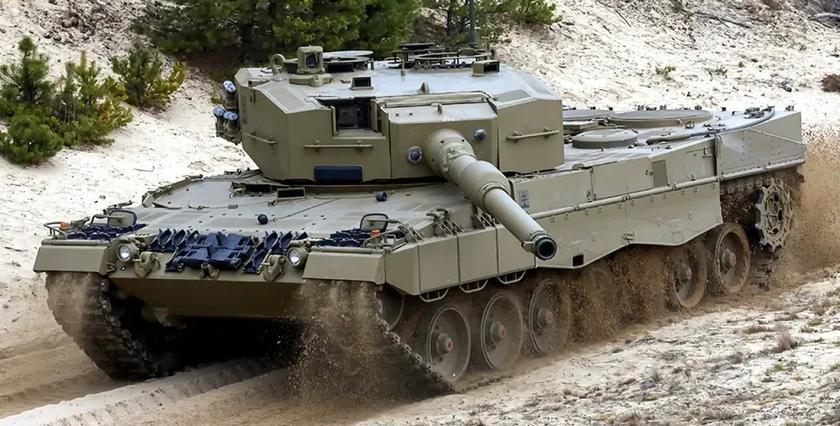
The fifth production run (Batch 5 – December 1985 to March 1987, 370 vehicles in total) marks the introduction of the Leopard 2A4. This Leopard 2 variant was the first major modernization of the vehicle. The main difference from the previous models was the introduction of a digital Fire Control System as well as a new explosion suppression system by Deugra (increasing crew survivability). The vehicle also had a slightly overworked suspension with the second and third return rollers moved by one roadwheel to the back.
At this point, nearly a decade after the approval of the November 1977 plan, the 1800 vehicles had been built in the five abovementioned production runs. The success of the vehicle and the need to replace the Leopard 1A4s of the 10th Panzer Division caused the German military to reconsider the initial number and a new order for the sixth production run was made in June 1987. The production of Batch 6 ran from January 1988 to May 1989 with 150 more vehicles built. These were modified Leopard 2A4s with new Diehl 570FT tracks, different box-shaped frontal sections for the side skirts, maintenance-free batteries and new paint. Leopard Batch 6 was immediately followed by a seventh production run (Batch 7 - May 1989 to April 1990, 100 Leopard 2A4 vehicles identical to Batch 6) and finally an eighth production run of 75 vehicles from January 1991 to March 1992.
The Batch 8 vehicles were slightly modified yet again. The biggest visual change was the Muzzle Reference System mirror on the right side of the gun as well as a different design for the vehicle's side skirts. The final Leopard 2A4 of Batch 8 was delivered to the Bundeswehr on March 19 1992, ending Leopard 2 production for Germany with 2125 vehicles built. Around the same time, Batch 1 to 4 Leopard 2s were improved by the introduction of a new radio and new tracks. They were also given the ability to fire the DM33 tungsten rod APFSDS round.
These improved vehicles were also renamed Leopard 2A4s, but they weren't, for example, given the fire suppression system of the "original" 2A4. As a result, there were several sub-types of the Leopard 2A4, despite all vehicles bearing the same designation. All German Leopard 2s had been improved to the 2A4 standard by 1993, making it the most widely used Leopard 2 model to this day.
The abovementioned production numbers are not final – the Leopard 2 was a successful export item and was also built (either in Germany or locally assembled) for several other countries. The earliest customer was the Netherlands. Between 1981 and 1985 (in parallel to Batch 1 to 5), 445 Leopard 2s (technically equal to the Batch 2 German variant) were built, partially in Germany and partially under license in the Netherlands.
Another major customer was Switzerland with 380 Leopard 2A4 variant vehicles built in Germany (35) and under license in Thun (345) in 1987. License production of the Leopard 2 also ran in Greece (170) and Spain (219). However, these are the more modern variants that go beyond the scope of this article. The total number of Leopard 2s produced is therefore around 3300 vehicles.
Other countries opted to simply purchase Leopard 2A4s from German stocks. The vehicles sold were primarily the early Batch 1 to 4 tanks, modernized to the 2A4 standard. Apart from the abovementioned countries, the former or current users of the Leopard 2A4 variant include:
Austria
Canada (subsequently improved to 2A4M CAN or 2A6M CAN)
Chile (2A4CHL)
Denmark (only a handful for spares)
Finland
Indonesia (upgraded with the Revolution armor kit)
Norway (2A4NO)
Poland
Singapore (improved to 2SG)
Sweden (Strv 121)
Turkey (purchased over 300 German 2A4s in 2005)
Leopard 2 in World War 3
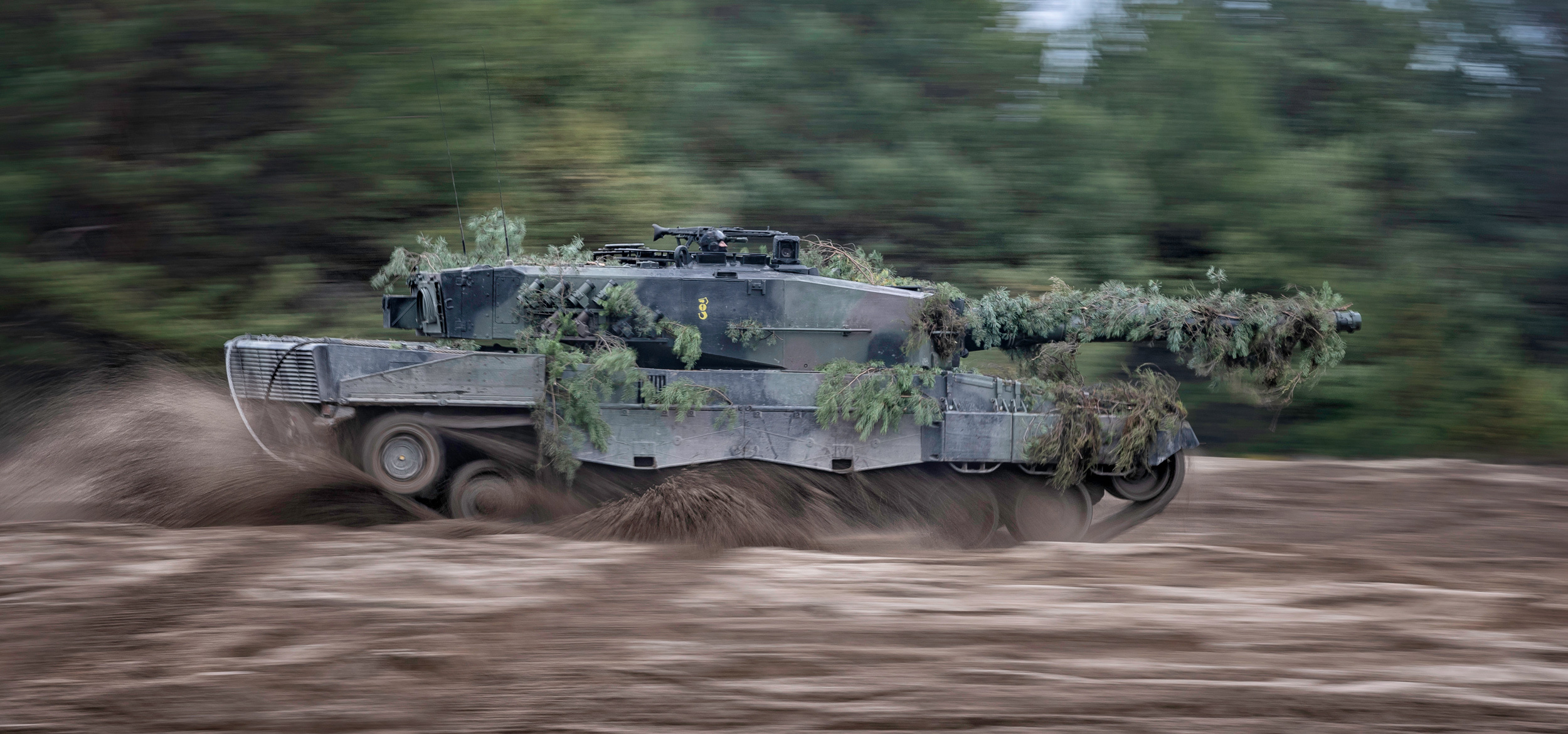
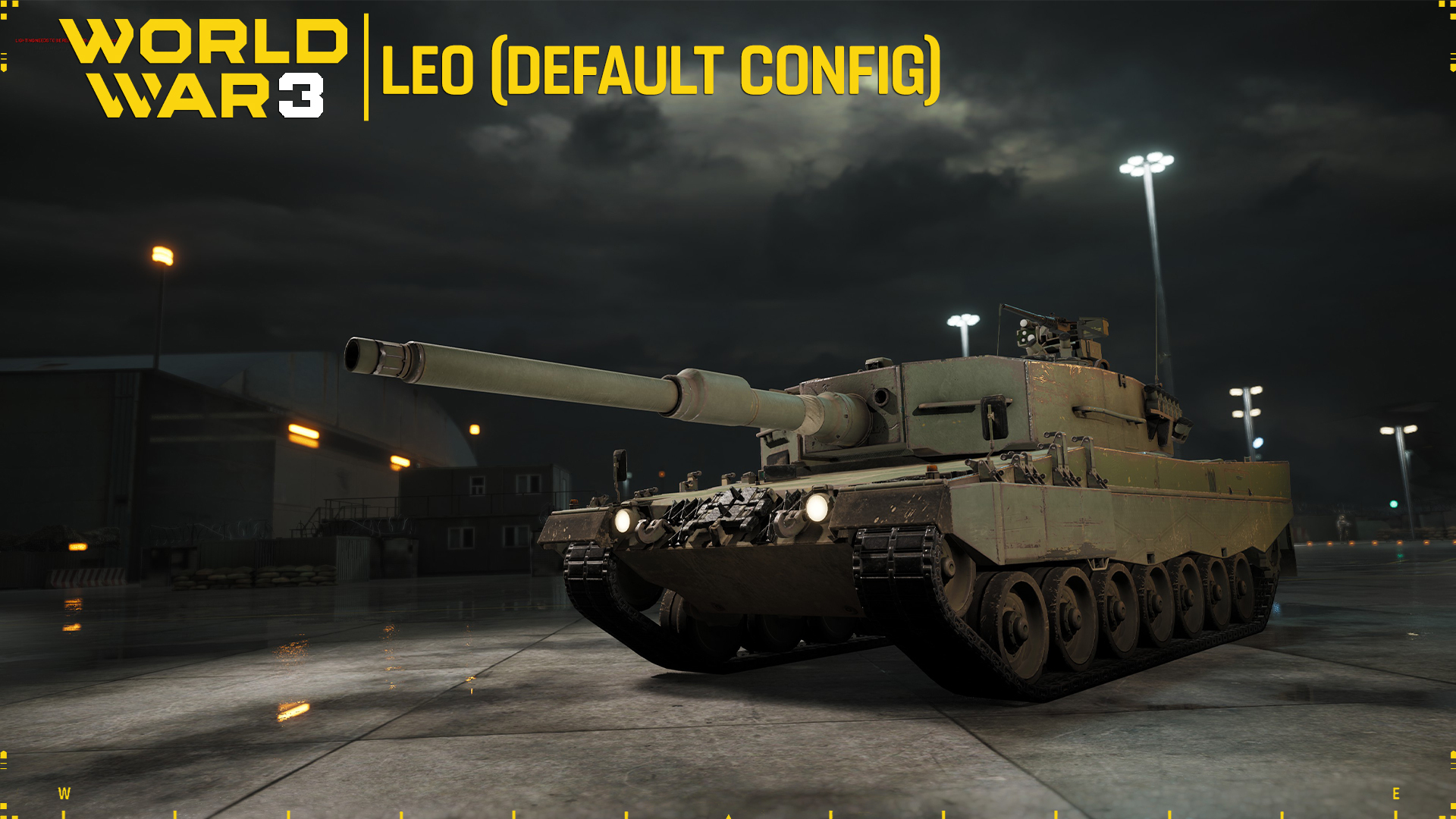
In WW3, the Leopard 2 appears under the name Leo. It is the first main battle tank the player encounters. It is the default choice in the Battle Tank Layout available in the Strikes tab.
The base configuration corresponds to the Leopard 2 version A4. This vehicle will perform well against other main battle tanks and lighter vehicles in long-range combat. Due to its rather high sensitivity to hand-held anti-tank grenade launchers and drones, it is best moved away from the front line or be covered by infantry or other vehicles with jammers or APS systems.
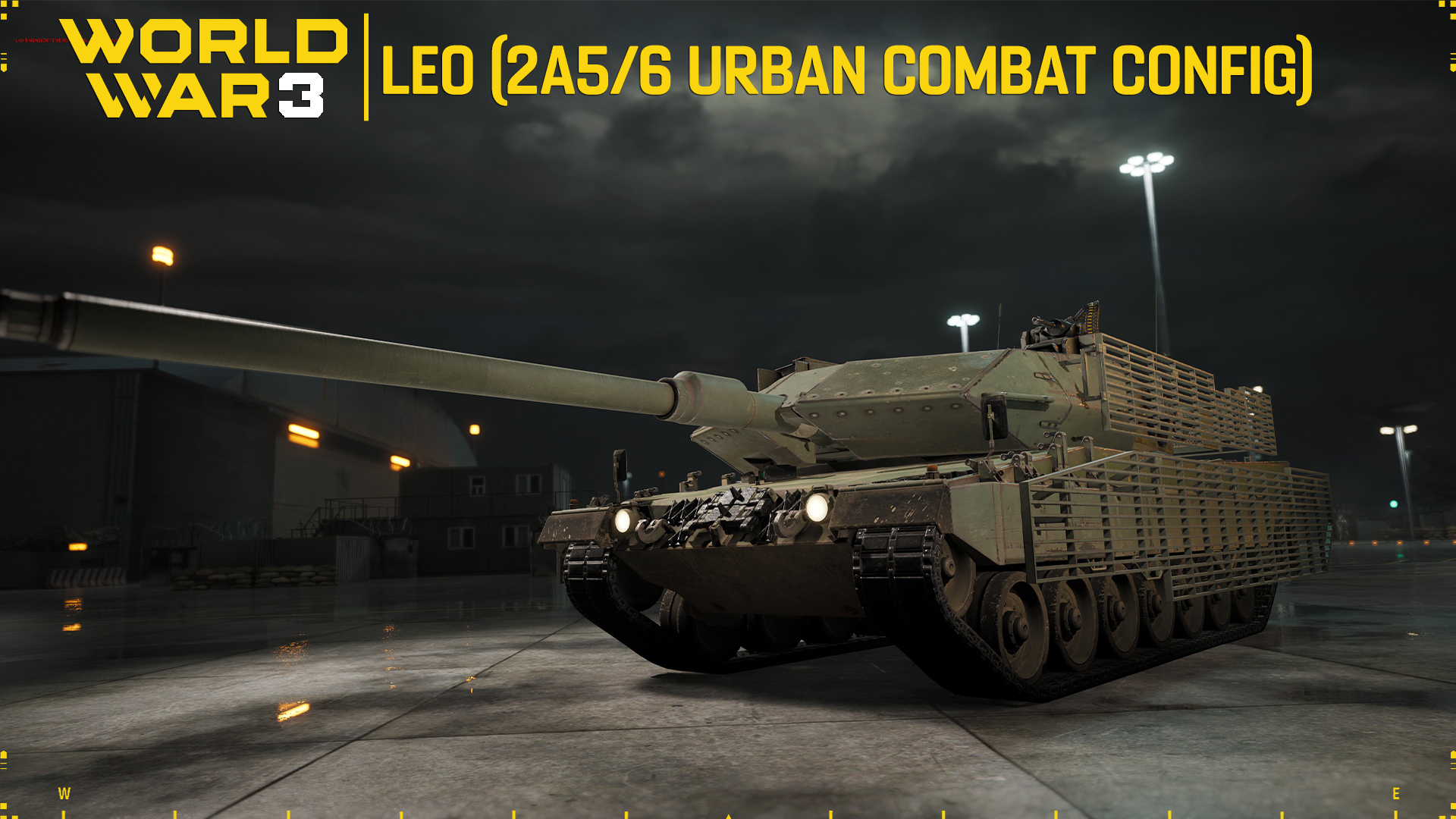
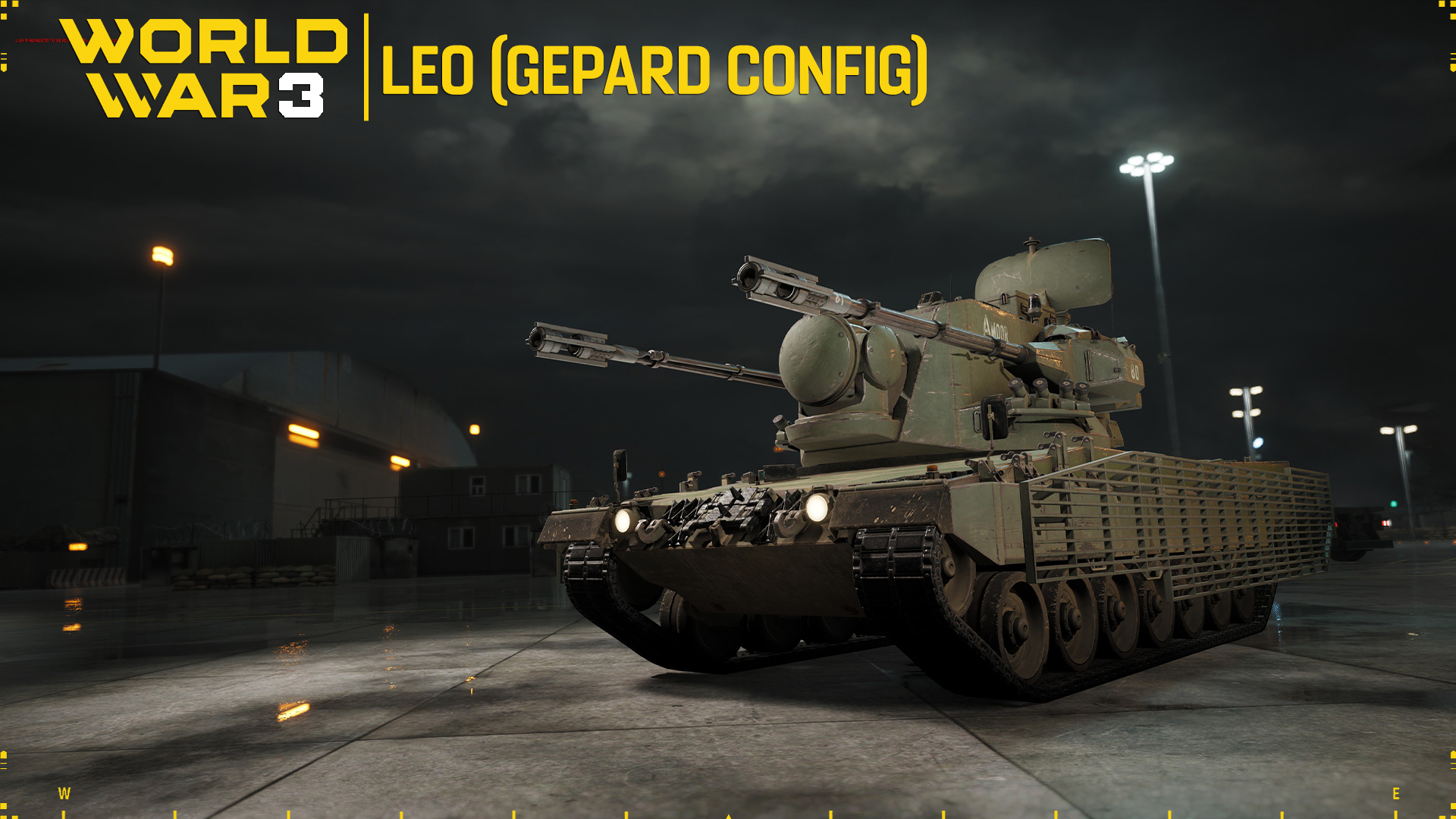
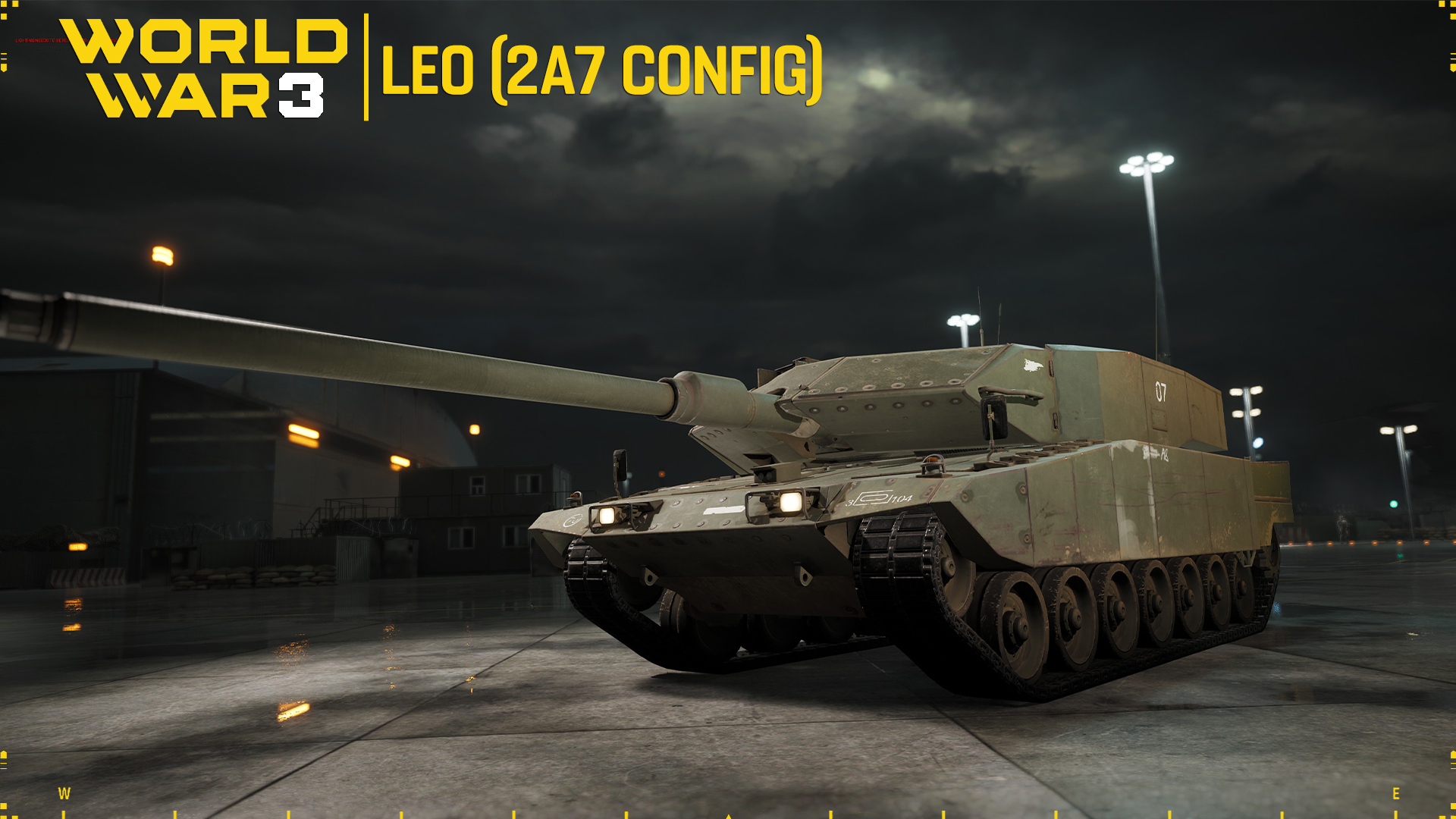
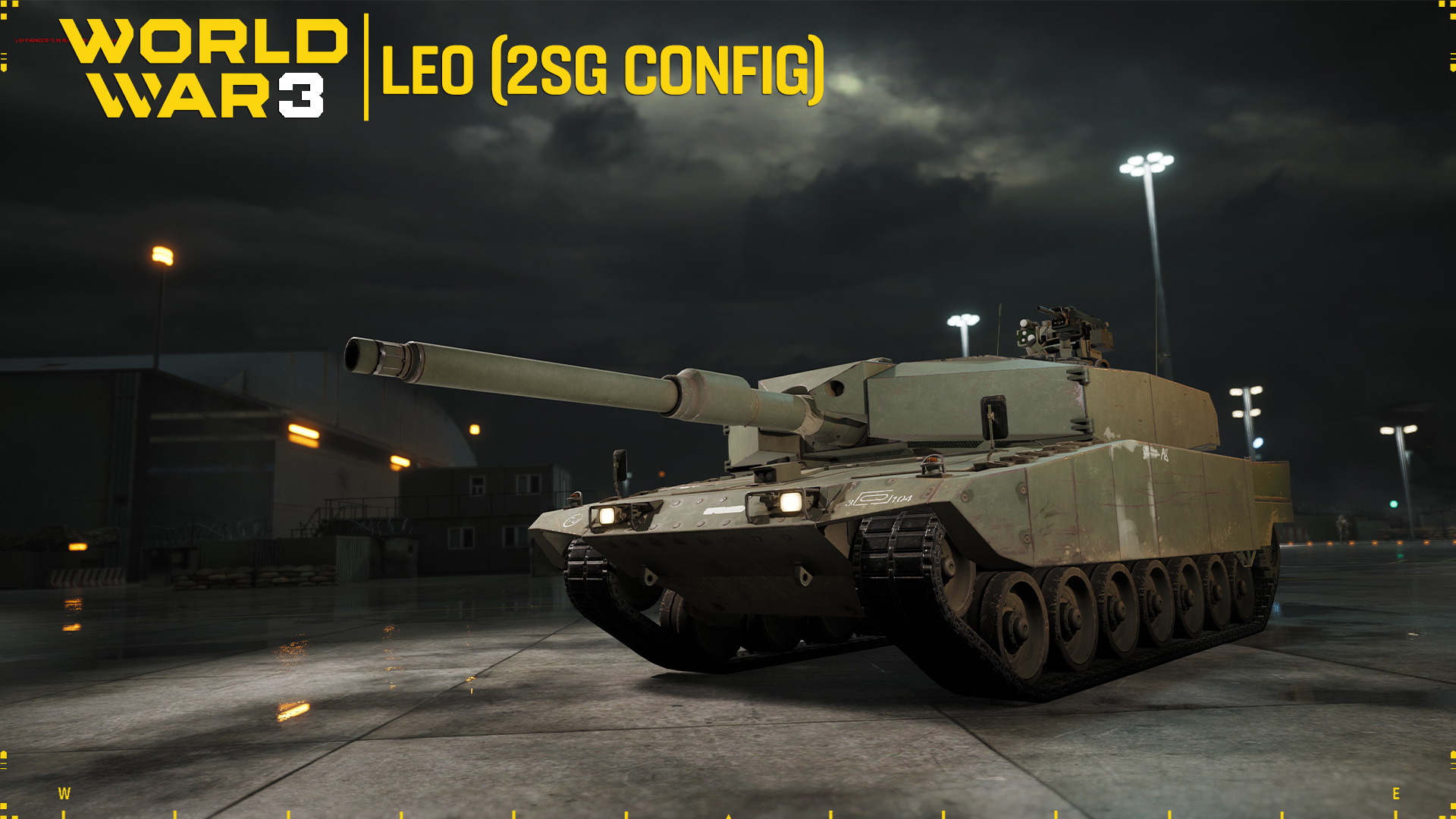
The Leo, along with the components under study, can be upgraded to a 2A7, an SG version for Singapore, or even some sort of hybrid equipped with the weapon system from the SPAAG Gepard.
The vehicle is equipped with the standard three modification slots and two ammunition slots for the main gun and the optional RCWS.
Player can unlock through 33 levels of progression the following modifications:
Level 2 - RCED Jammer
Level 3 - INFRA B&W
Level 4 - 12.7mm Full Metal Jacket
Level 5 - 40mm GL RCWS
40mm Fragmentation ammo
Level 6 - 12.7mm Hollow Point
Level 7 - INFRA B&W Inverted
Level 8 - 2A7 Reactive Armor hull
Level 9 - 40mm High-Explosive
Level 10 - Radio Jammer
Level 11 - 120mm High-Explosive
Level 12 - 7. 62mm LMG RCWS
Olive camo
7.62mm Full Metal Jacket
Level 13 - 40mm Armor-Piercing
Level 14 - 120mm 2A7 Reactive Armor turret
Level 15 - 7.62mm Armor-Piercing
Level 16 - INFRA GOBLIN
Level 17 - 25mm Cannon RCWS
25mm HE/AP
Level 18 - RPGNET Armor hull
Level 19 - 7. 62mm Hollow Point
Level 20 - AT-APS Light
Level 21 - 120mm Shrapnel
Level 22 - 120mm 2A5 RPGNET Turret
Winter camo
Level 23 - 25mm Fragmentation ammo
Level 24 - Anti-tank RCWS
HEAT tandem missle
Level 25 - 25mm HE/DP
Level 26 - Thermal view
Level 27 - Thermobaric missile
Level 28 - SG Armor Hull
Level 29 - AT-APS Heavy
Level 30 - 120mm GLM Armor Piercing
Level 31 - 120mm SG Armor turret
Level 32 - HEAT Single Missile
Level 33 - Gepard SPAAG turret
30mm AA ammo
The number and variety of modules makes it possible to select the optimum configuration for almost any task. And what is your favourite configuration Operators? Let us know in the comments.
That's all, fall out!
Reporting in. Escorter, combat ready.
My callsign is Escorter. From this moment, I am at your disposal in the World War 3 theaters of operation. Some of you may have heard the stories. Others have read the dry reports. Allow me to set the record straight.
My journey didn't start yesterday. The sands of the Sahel, where every mirage could be an ambush, and the sun burned out the will to live – I was there. We tracked fanatics, intercepted arms caravans. Victory there meant patience, the ability to read the terrain, and one precise shot when everyone else had given up. And my FELIN system saved the group more than once, detecting heat signatures where the eye saw nothing but scorching air.
Then came the suffocating jungles of Southeast Asia. Humidity that rusts even the soul, and an enemy dissolving into the green like a ghost. There, I learned to listen to the silence and trust every sensor in my helmet. We rooted out strongholds, liberated hostages. FELIN allowed us to coordinate group actions in zero-visibility conditions, striking as a single mechanism. There was no room for error. And we made none.
There were also the icy peaks, where the thin air cut the lungs, and equipment failed in the frost. But not mine. My system is built for extreme conditions. Reconnaissance behind enemy lines, capturing HVTs, sabotage on critical infrastructure. Every operation – a chess game where the enemy has more pieces, but I have the better view of the board. And I always delivered checkmate. The urban labyrinths of the Middle East – that's another story entirely. Behind every window, every door – a potential threat. CQB, clearing operations, evacuating civilians under crossfire. We went into places others didn't return from. And we emerged victorious, because information is life, and technology is an advantage.
I'm not bragging. I'm stating facts. My callsign, "Escorter," isn't just for show. I'm the one who will lead you through hell and deliver you, or what's precious to you, intact. Or I'll ensure no one gets too close.
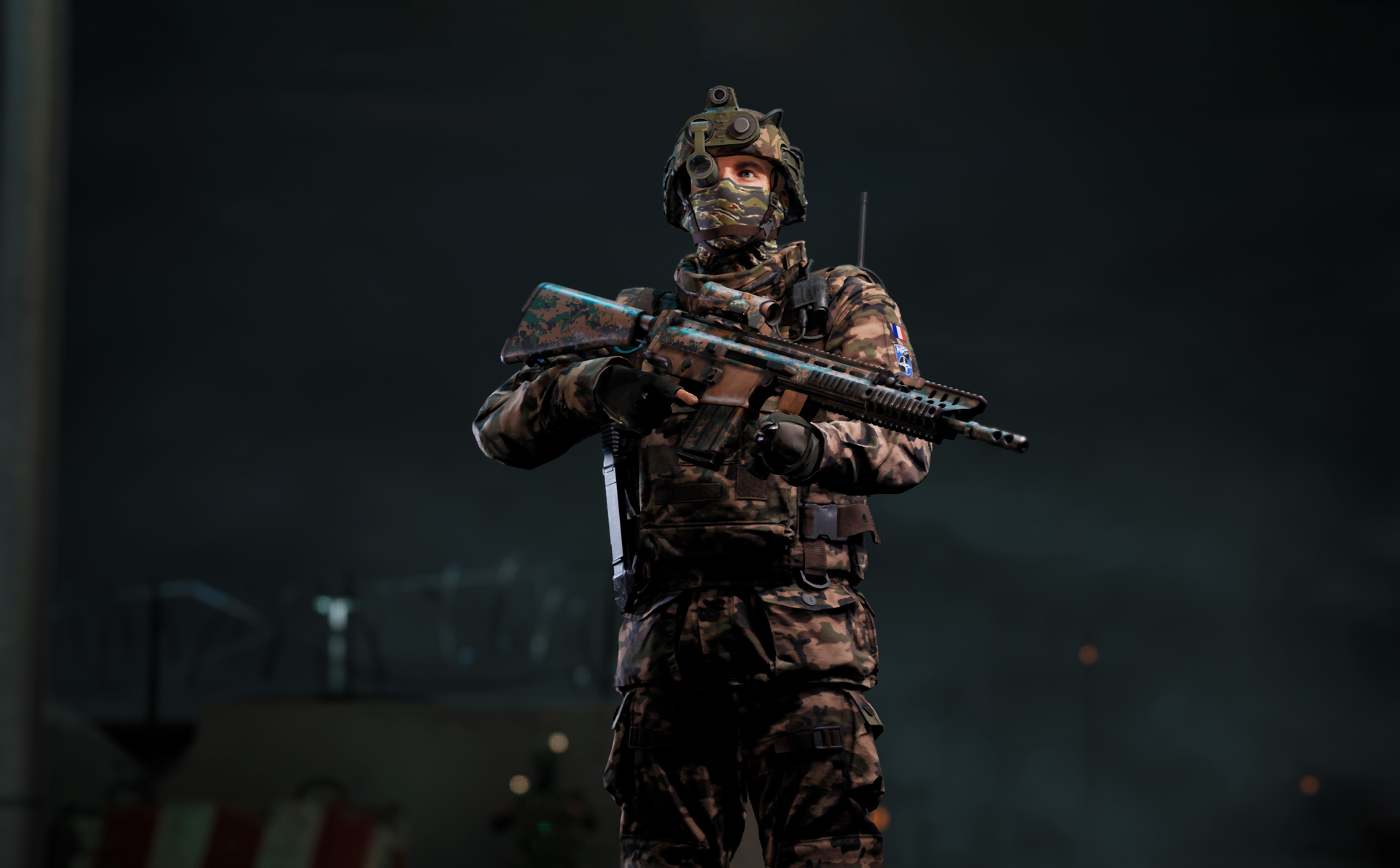
I haven't come to World War 3 for a stroll. I've brought experience forged in dozens of conflicts, and technology that gives me and my team a decisive edge: FELIN – my eyes and ears. A helmet-mounted display with tactical information, integrated communications, optics that see through smoke and darkness. The enemy won't even realize they've been spotted before I've relayed their coordinates.
The SCAR in MARPAT camouflage. Accurate, reliable, deadly in my hands.
Brute force is for amateurs. My way is analysis, planning, and flawless execution. For you, World War 3 operatives, my arrival means one thing: if I'm on your team, your chances of survival and victory increase dramatically. If I'm against you... well, try not to cross my sights.
Enough talk. Work awaits. See you on the battlefield. Escorter.
May Specials, Part 2
Operators!
Check out this week's special deals.
Escorteur Pack
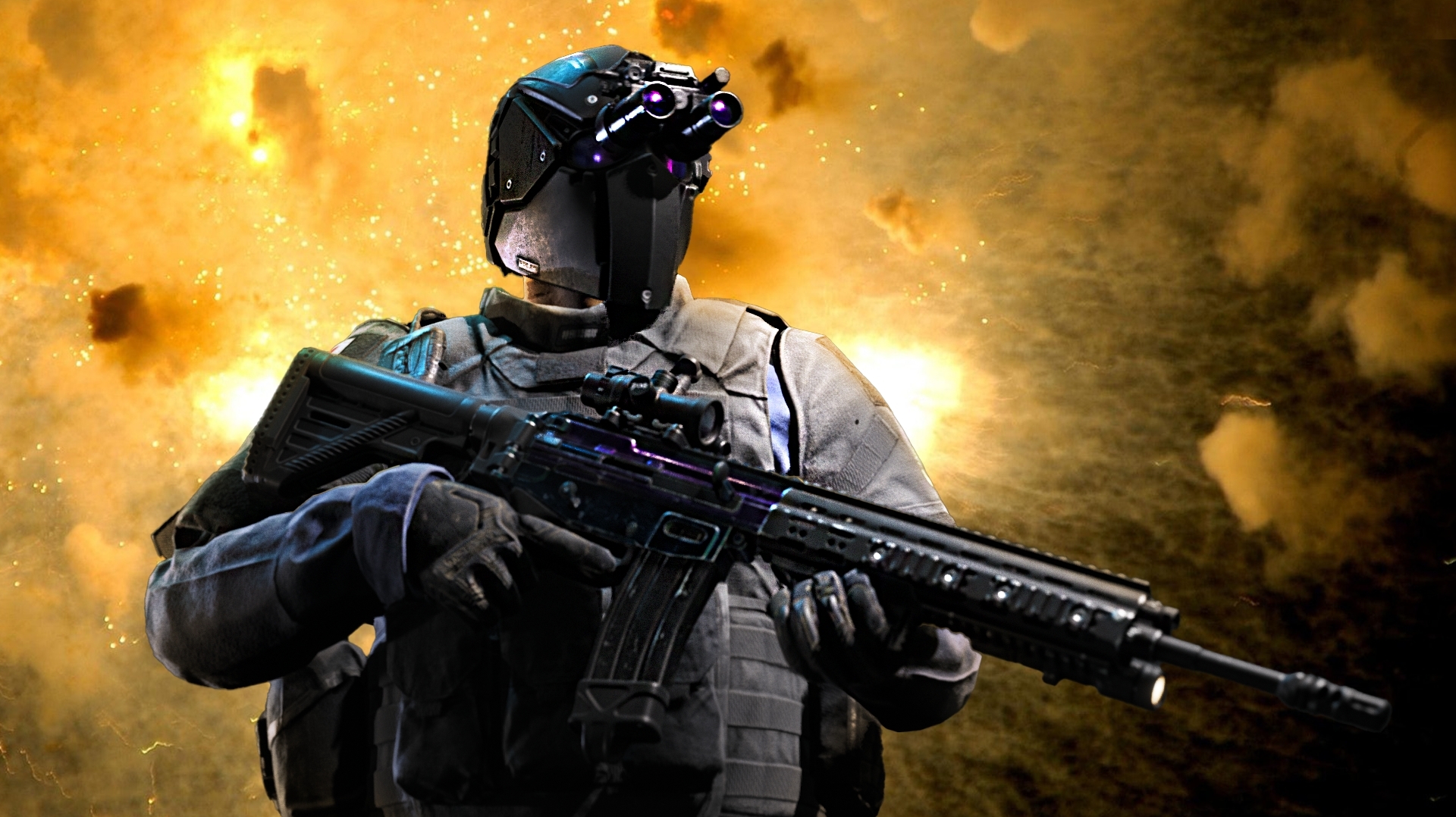
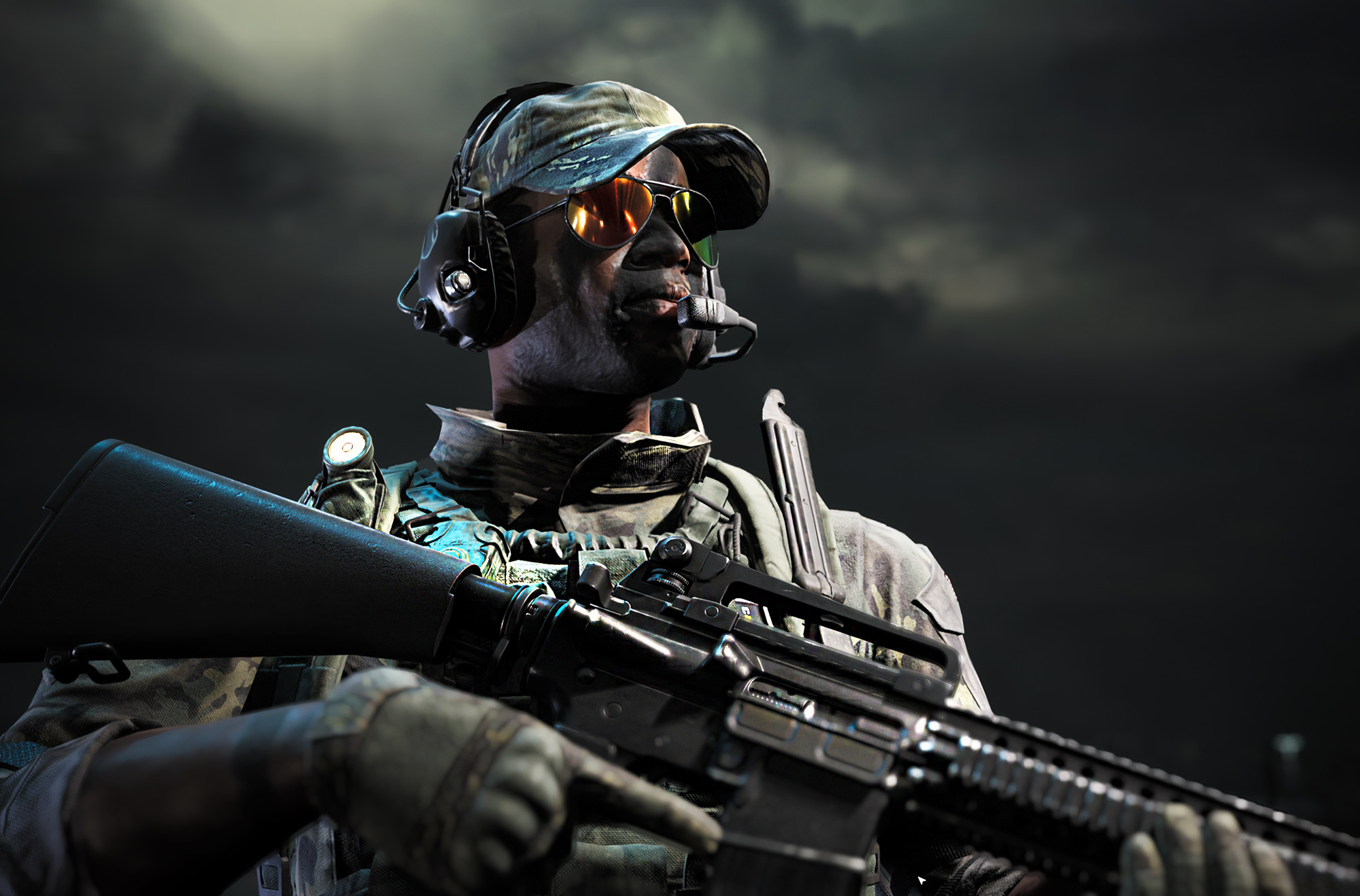
A reliable defender. Calm, quick, and always watching your back.
Ice Cold
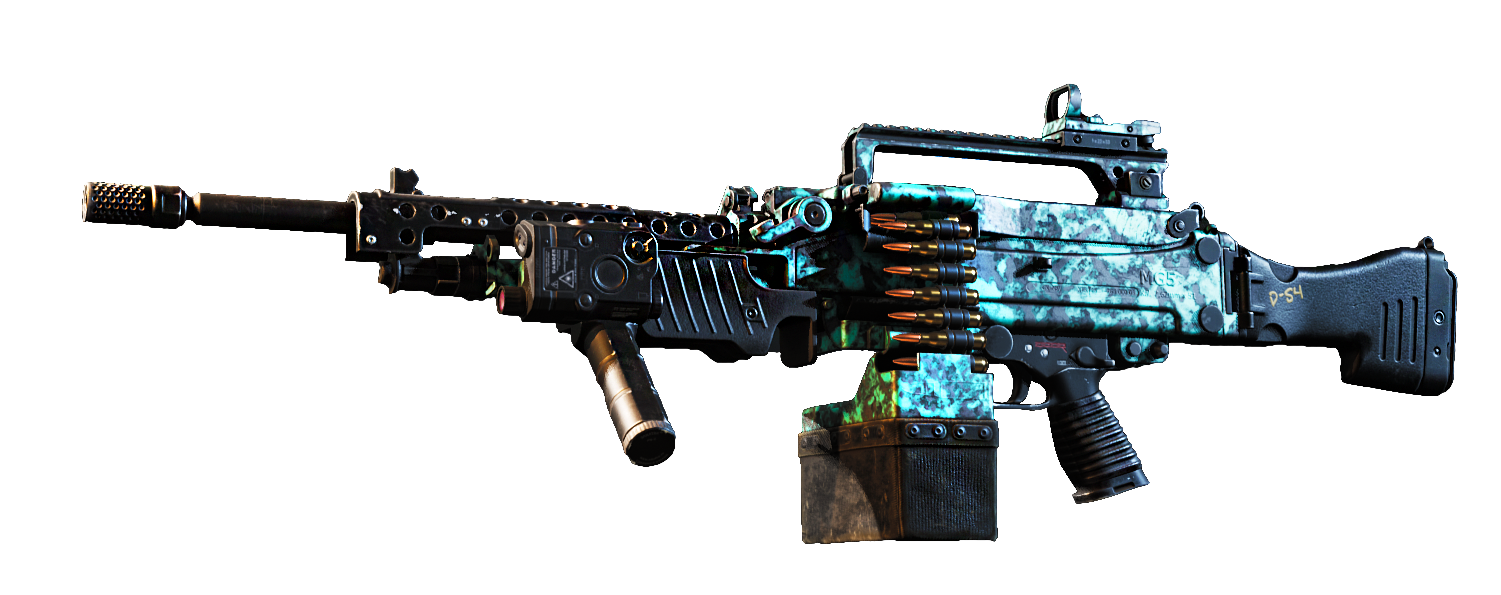
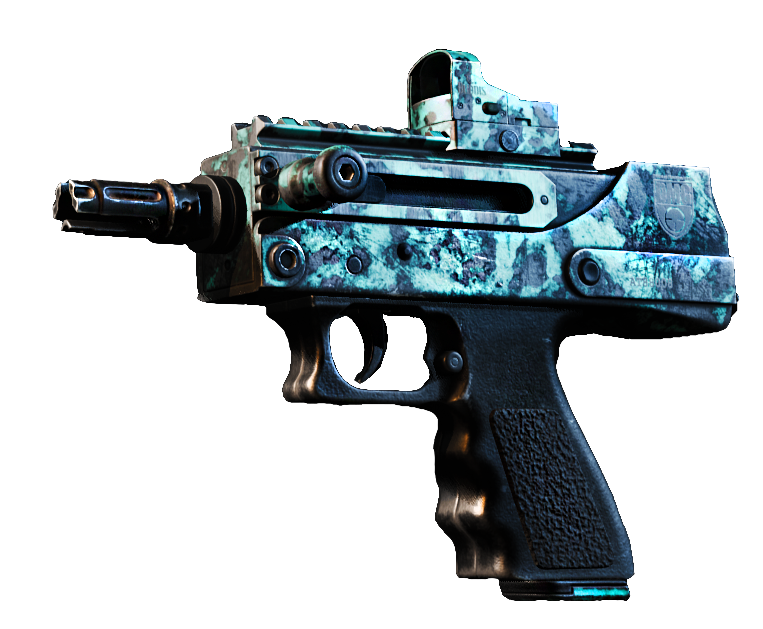
Straight from a frozen hell: the MG5 and DMG Nine-Milli. Lethality meets icy style — dominate the battlefield with cold-blooded confidence.
Heavy Winter US
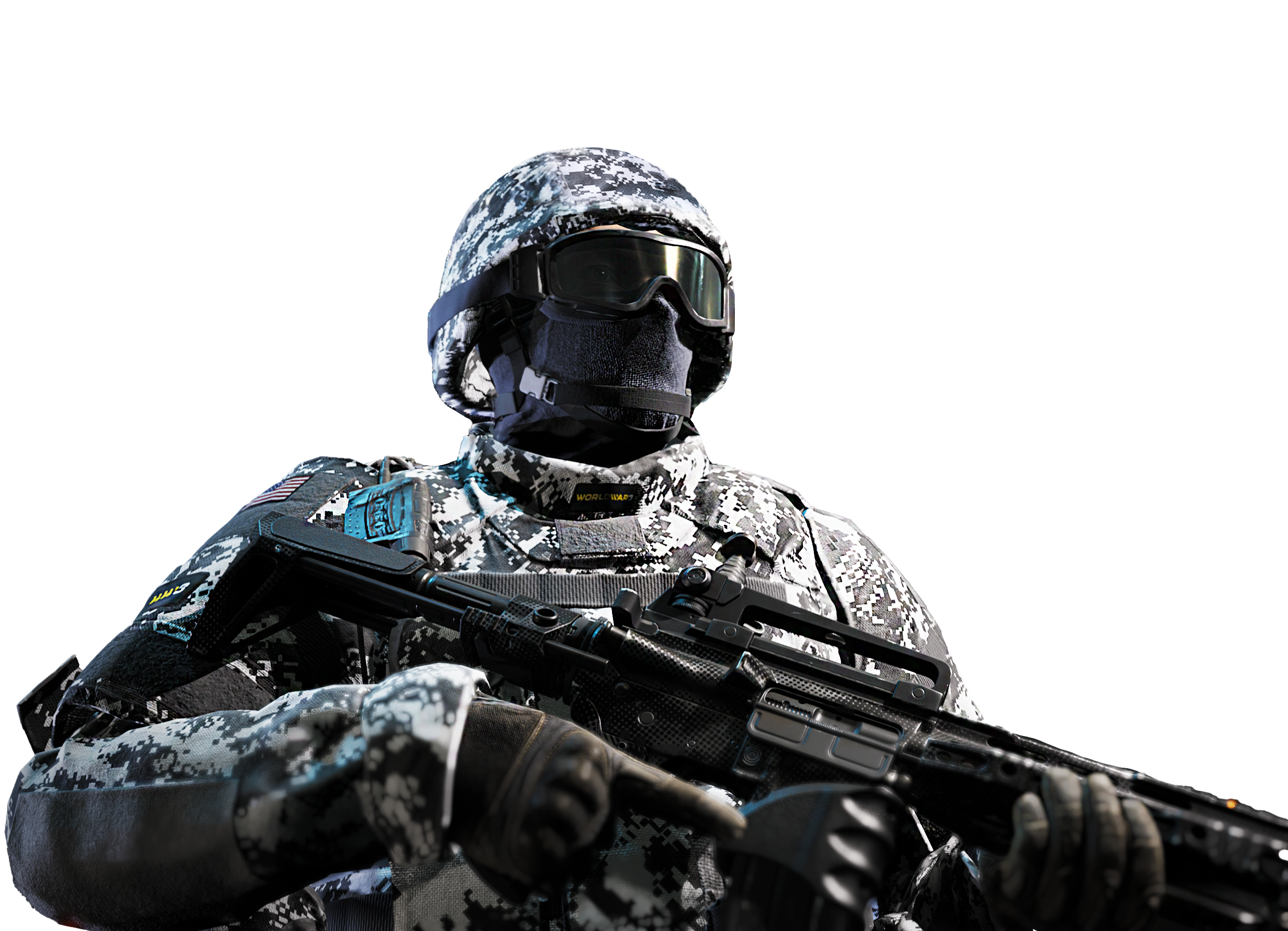
An elite front-line soldier hardened by snowstorms. Expert in survival and combat under extreme cold.
SBU BREACHER
A Japanese special forces assault trooper, trained for breaching enemy positions and close-quarters combat. Fast, relentless, unstoppable.
ROK 707th SMG
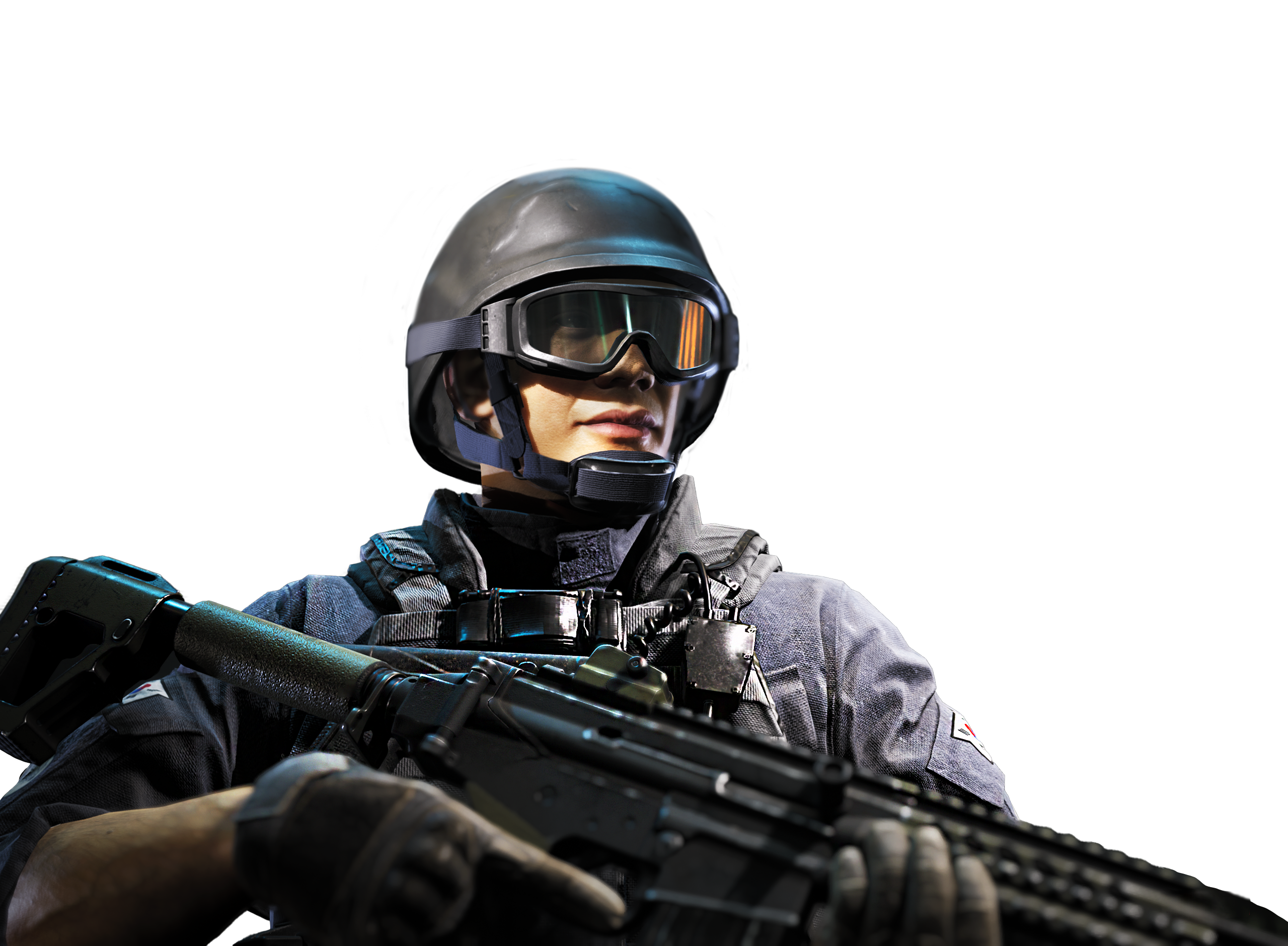
An operator from South Korea’s elite special forces. A close-quarters and urban combat expert — agile, accurate, and always one step ahead of the enemy.
Victory in Europe
World War 3 Operators!
Victory Day is a sacred date. A day when we honor the heroes who defended peace on Earth. Their courage and sacrifice are forever inscribed in history.
This day reminds us that even in the darkest of times, the human spirit is capable of incredible feats.
May the lessons of history help us cherish peace and strive for a better future. We wish you and your families well-being, health, and peaceful skies.
Happy Victory Day! The World War 3 Team
As a part of celebrating of the occasion we've also prepared new themed offers available in the in-game shop.
Themed offers
Bear Dad Pack
Huge as a boulder, solid as a plate of armor, and fierce as the northern beast itself. He can't be knocked out of his position unless he decides to change it. Once he's moving forward, he's unstoppable.
Blue Darkness Weapons Pack
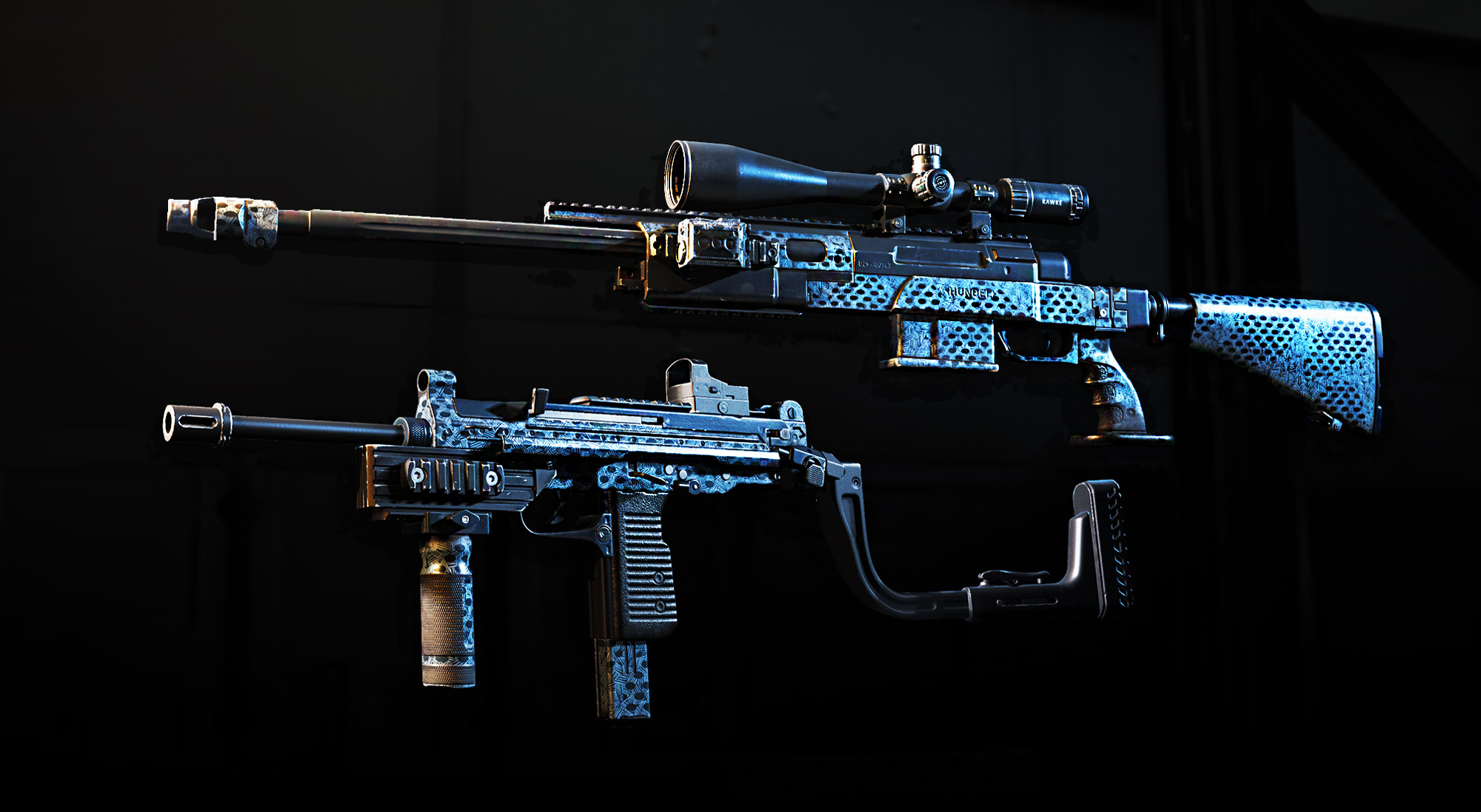
Style and lethality. A unique set featuring the G29 sniper rifle and the Glauberyt SMG, customization modules, and the BlueDarkness skin.
1st Response
He is the blade that cuts through chaos — a ghost trained to operate in the most dangerous and unstable situations.
May Day
He acts fast, decisively, and with precision, turning the chaos of battle into a controlled operation. His presence is a signal that help has arrived
GROM Expedition
An elite recon fighter who destroys enemies in the most inaccessible places on the planet: from frozen wastelands to jungles.
Contest: Design your own mission!
Operators!
With the latest patch 1.3 daily and weekly challenges now are displayed on the main screen. While we prepare new missions for new players, we'd like to hear your input too. Right now there's a limited amount of missions in the game.
Therefore, we came up with the idea that we can mutually help each other. You come up with missions, we pay you UNC!
Details of the contest below:
Your challenge is to come up with a mission from A to Z. Your submission must include the following information:
Mission name.
Mission Description.
With conditions for obtaining the prize.
Type of mission (Daily/Weekly).
Prize for completion.
If you are not sure how it should look like, log in to the game, there you can see several sample missions.
The submission phase ends on May 15 at 23:59 CEST, voting on May 16 at 23:59 CEST.
There are not many additional guidelines:
Mission elements must not be vulgar or offensive.
The mission must be unique, not simply copied from the game rotation.
Missions need to be at least somewhat balanced. Dealing 1HP or more of damage and receiving a unique operator for it is not such a mission and will not participate in the contest.
One player can only submit one mission to the contest, the submission cannot be modified or deleted. This is equivalent to disqualification.
Approved missions will be marked with a green tick by our CM's.
Prizes:
The authors of the three best works (in the opinion of the community) will receive from us the following number of UNC in form of codes:
1st place - 1380 UNC 2nd place - 1120 UNC 3rd place - 880 UNC
If the number of nice entries is sufficiently larger, the prize pool may be increased!
Voting:
Voting is conducted via reactions (thumbs up) in our Discord server under each mission. Each player has an unlimited number of votes. If it happens that more than one mission has the same number of community votes, our CMs have the deciding vote.
That's all. We are counting on your creativity Operators!
Patch 1.3 is live!
Operators! We know it's been a little quiet on our end recently, but that’s only because we’ve been hard at work behind the scenes on an important update. Today, we’re tackling one of the more critical issues: the steep learning curve for new players.
Why This Matters
We've been investigating this problem and we've found that while plenty of new players try WW3, only a small number stick around after the first few days. The main reasons are that they are matched against seasoned veterans and lack the knowledge and tools to compete with them.
That's what we started to address a few patches ago with new, much more powerful default loadouts and balance changes, but this patch brings our most significant improvements yet.
The main difference: a new matchmaking algorithm for new players, a new map for them, and the addition of bots.
How it works
Now new players will play their first 2 matches against each other and bots only. No veterans allowed. This will allow them to learn the basics in a safe, stress-free environment. The Ruins of Gobi map was designed specifically for new players, and with the latest changes, it will finally fulfill that role.
At the same time, if there aren't enough players in the queue - bots will come to help: all free slots in Stronghold mode matches will now be filled with bots. They will try to accomplish the task of capturing the point on the map and killing enemies along the way. Don't worry though, they are not merciless killing machines yet, they have been specifically designed to be easy targets.
After the first 2 matches, new players will be placed in regular lobbies for the time being.
That's just the first step. We want to continue to improve the matchmaking system and guide new players on their journey to mastery of WW3. We have more changes in the works and will announce them when the time is right.
Ruins of Gobi improved
The Ruins of Gobi map has also been significantly improved: we've made changes to the map layout to alleviate some of the bottlenecks we noticed. We've also made a lot of art style changes to make the map feel much more alive.
Helping new players to learn the ropes
We've also added daily and weekly challenges to the main screen, so new players will have some goals to accomplish. We plan to add more challenges specifically for them, as the old ones may no longer be relevant.
Performance optimizations
At the same time, we continue to work on optimizing the game. The following maps should now perform better: Shibuya, Moscow, Moscow Senate, Berlin Backyards.
List of changes
Gameplay Optimization
Training bots have been added to the starting map “Ruins of Gobi” to help new players adapt
Players are now divided into newcomers (first 2 matches) and the main pool
Stronghold matches will now auto-fill with bots when necessary
Map Update
A new flank route has been added to the “Ruins of Gobi” map to enhance tactical possibilities
Art style improvements
Lighting fixes
New Content
Five new offers have been added to the launcher shop. Each includes:
A unique operator
A pre-configured weapon loadout
Some offers are themed for May 8th and 9th (Victory in Europe Day)
Technical Improvements
Patch file sizes have been optimized to reduce launcher update times and improve delivery via Steam CDN
Asset and lighting optimization on following maps: Shibuya, Moscow, Moscow Senate, Berlin Backyards
UI Update
Daily and weekly challenges added to the main screen
Maintenance - Patch 1.3
On the 07th of May, starting from 17:15 CEST, the server will not be available for 5 hours due to a planned server maintenance.
Please note – that the maintenance can be extended beyond the above mentioned timeframe. Up-to-date server status is always available on our Discord server and Twitter.