Fall 2017 XCOM 2: War of the Chosen Update Deploys
The Fall 2017 update for XCOM 2: War of the Chosen is available now on PC and coming soon for Mac, Linux, Xbox One and PlayStation 4.
This new update institutes multiple bug fixes and optimizations that will facilitate a better overall experience for players. Challenge Mode has been updated to include new stats on the leaderboard, new player-to-player tracked events and retooled notifications.
Head below for the full list of changes.
Good luck, Commander.
Gameplay – Strategy Layer
Gameplay – Tactical Layer
Challenge Mode
Misc
http://store.steampowered.com/app/593380/XCOM_2_War_of_the_Chosen/
Do you have questions for the team? Be sure to follow XCOM on Twitter and Like XCOM on Facebook to keep up to date with the latest information on XCOM 2: War of the Chosen. If you’re looking to enlist with the Resistance, join the 2K Forums!
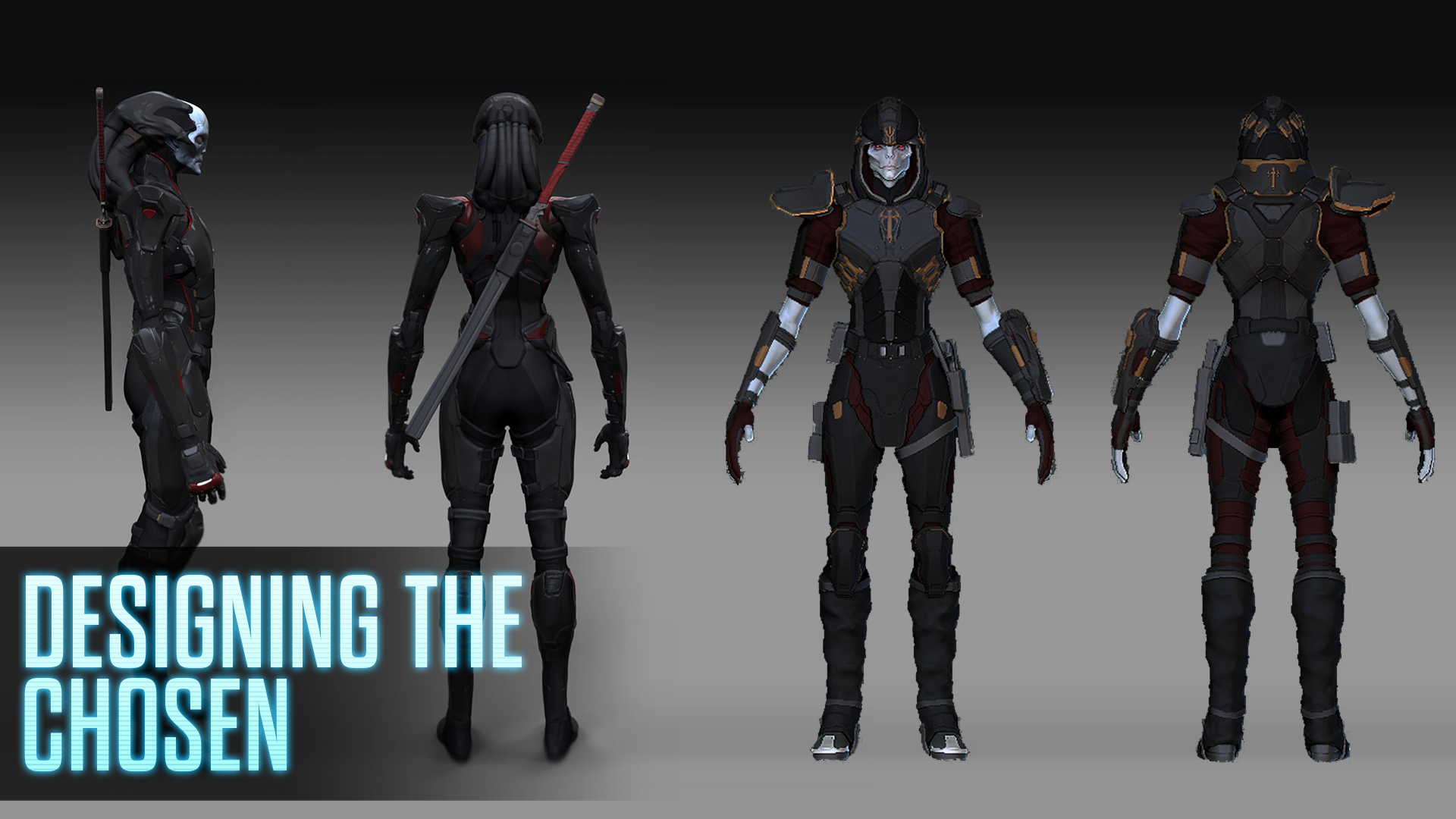
DESIGNING THE CHOSEN IN XCOM 2: WAR OF THE CHOSEN
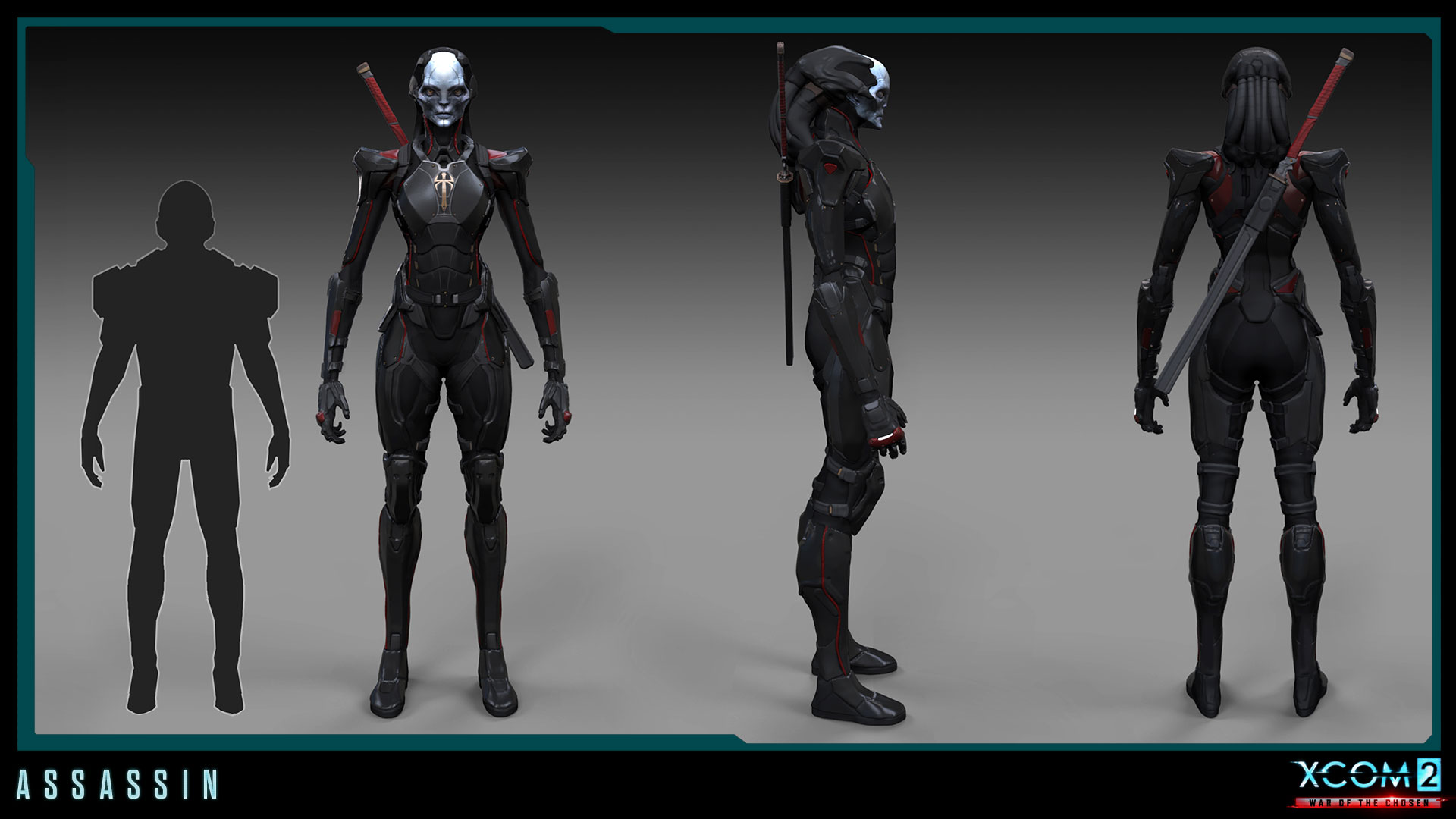
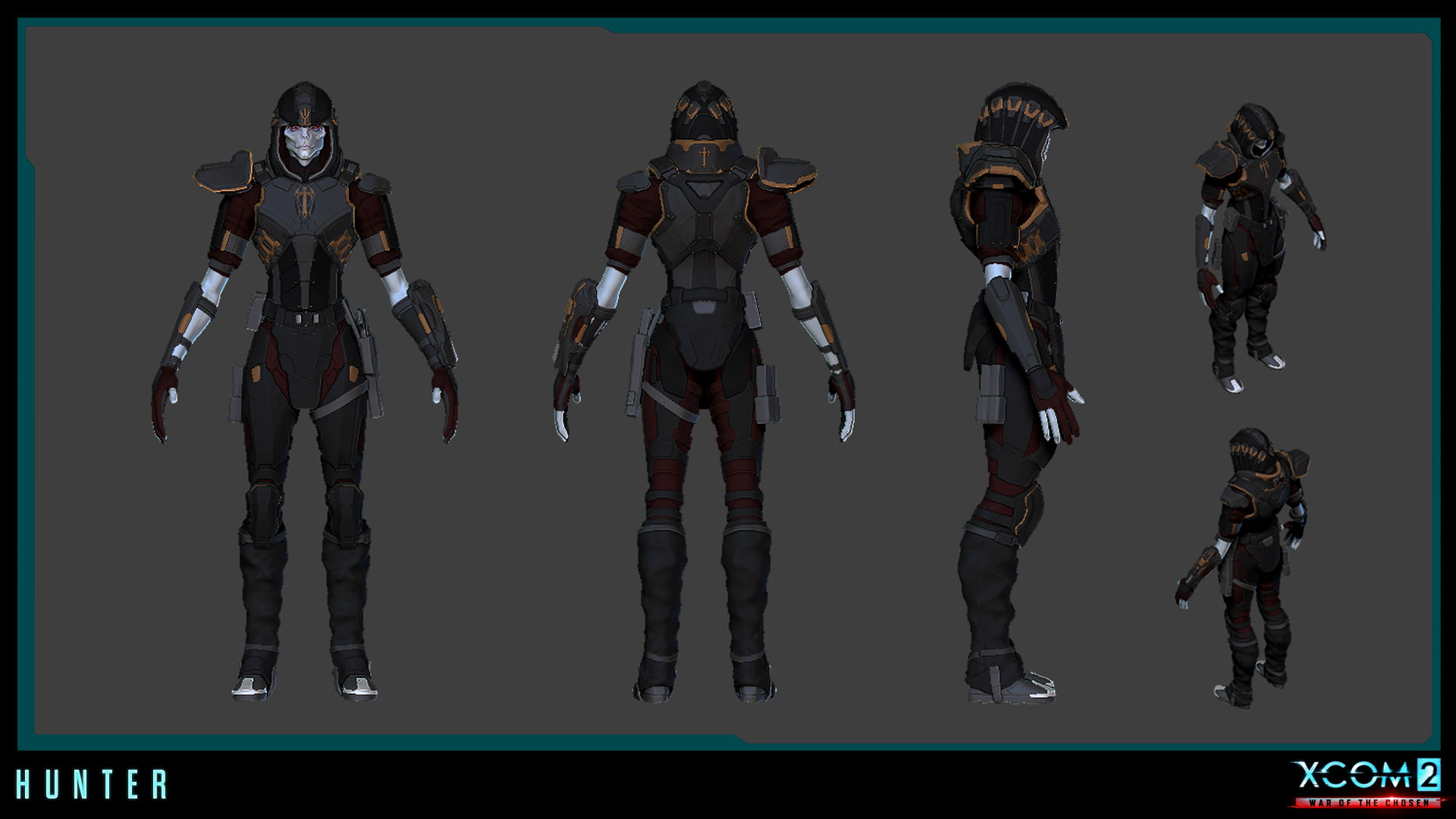
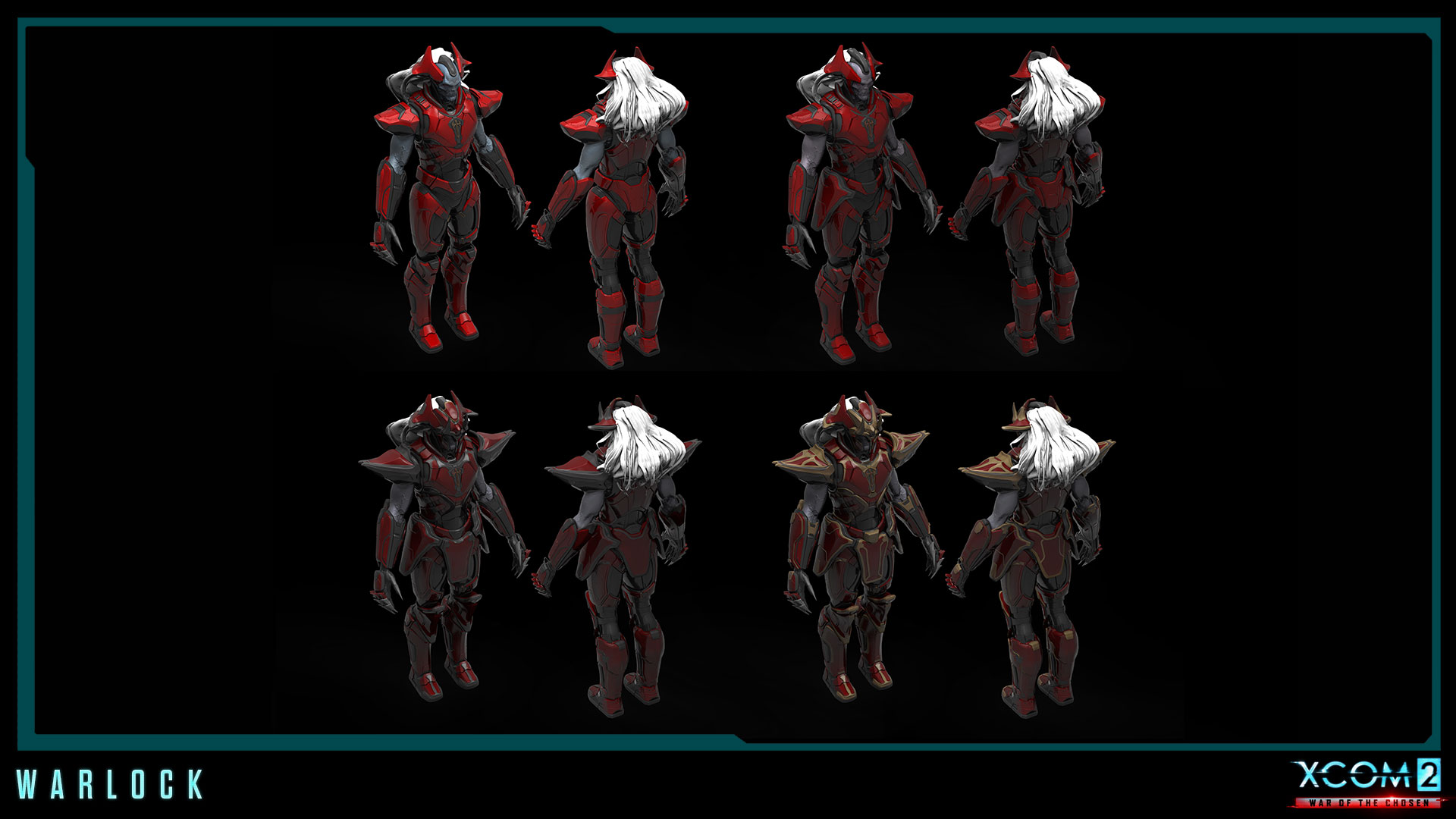
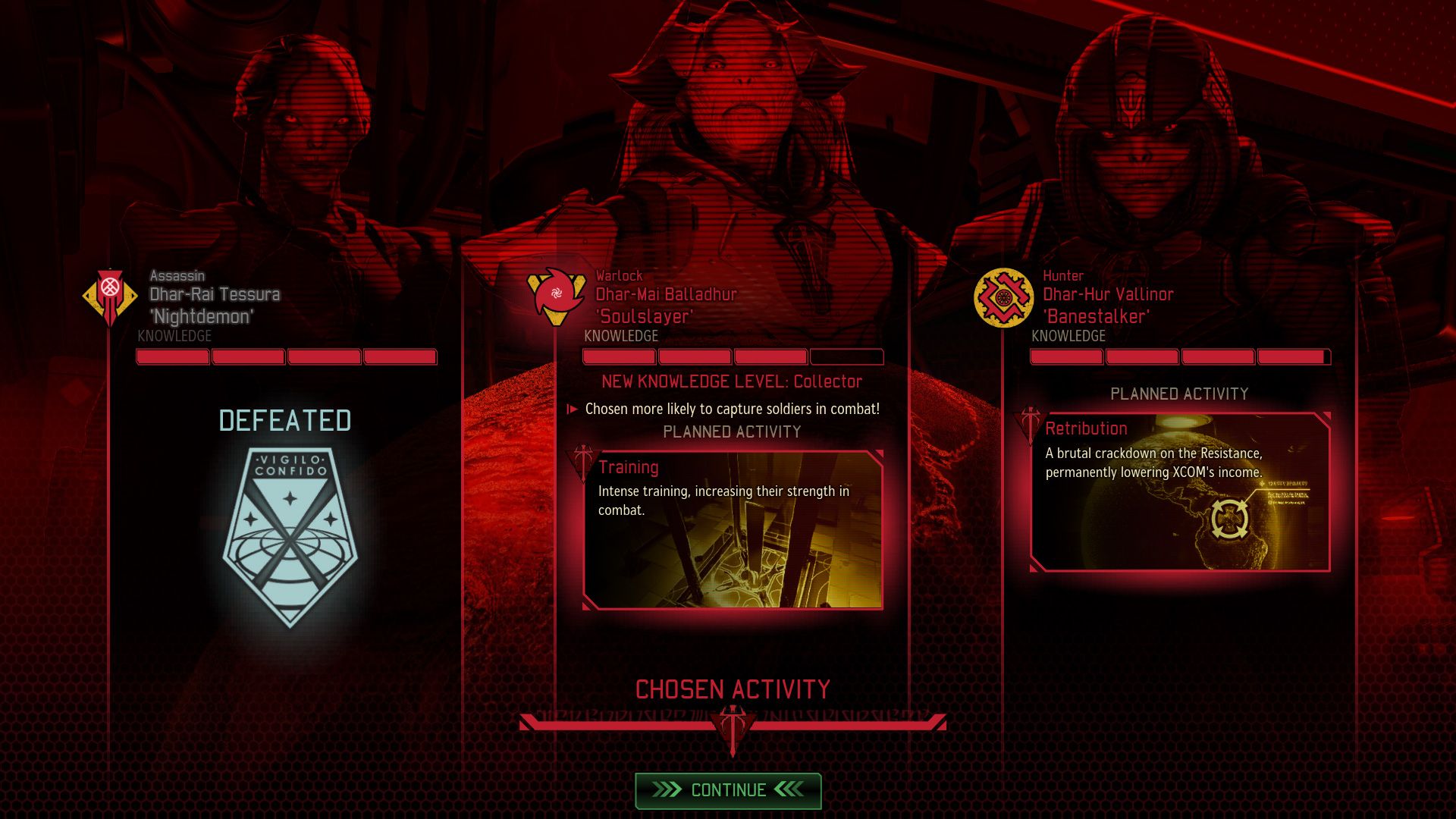
In the XCOM games, you are up against impossible odds. Seemingly insurmountable hordes of alien and ADVENT forces. One thing that the Chosen bring to the fight in XCOM 2: War of the Chosen – a face to face foe. Singular adversaries that are plotting against you, the Chosen even taunt you as you try to stop them. It’s just one of the many ingenious additions to this massive expansion. We asked Lead Producer Griffin Funk what went on behind-the-scenes to make this happen.
One of the things the Chosen do is give the enemy a “face” beyond the mysterious elders or waves of foes your squads are up against. Was this something recognized early on in the creation of XCOM 2: War of the Chosen? What made you think of going in this direction in the first place?
Griffin F. There are always two stories happening in XCOM. There’s the narrative of the campaign and then there’s the personal story the player experiences in the game. We always try to advance both of those stories which can be incredibly challenging. They’re opposing ideas, so advancing one can easily take away from the other. The Chosen naturally advance both stories by existing in all parts of the game. They are named characters with personality and ideology that affect the overall story. They also directly interact with the player based on the decisions made. They fight you on the tactical layer and then play the strategy layer alongside you.
What were the main objectives for the creation of the Chosen?
Griffin F. We wanted to give the player an adversary that felt alive. In XCOM 2, the campaign was a race against the Avatar Project clock. Players knew the Elders were in the background and were the ultimate bad guys of the campaign, but they don’t show up until the end. We thought this aspect of the game felt a little cold. We wanted them with you the whole way. The Chosen are looking for you, taunting you, and directly engaging with you. They’re basically playing the game right next to you. As you create upgrades, they’re in their base doing the same. You can check on their progress to see what they’re up to and I like to think they have a little computer where they can see what you’re doing as well.
Sounds a little creepy when you put it that way. What are some of the challenges that come with naming the enemy and giving it a face?
Griffin F. Creating a new major adversary that has a specified name, personality, face, voice, etc. that is always the same was risky. Thankfully, War of the Chosen is such a big and dynamic game that it’s not a problem. It also helped that we made aspects of the Chosen procedural like their strengths and weaknesses. This makes fighting them in two different campaigns feel incredibly different. Hell, it makes fighting them on different missions feel different.
How does this carry over into a game that’s also largely procedural?
Griffin F. Even though the Chosen each have a distinct personality, they’ll still perform actions that are unique to your playthrough. It’s similar to how the actions taken in a mission create a personal story between the player and their soldiers. When the Hunter hits a soldier with a tranquillizer, which leads to another soldier panicking, which leads to the soldier killing another soldier, and so forth it creates a story about the Hunter unique to that campaign. To the player, that could be the moment that defines the Hunter more so than any of the cinematics.
What are you basing the Chosen on beyond archetypes?
Griffin F. Creating the different roles for the Chosen was similar to how we create the classes for XCOM soldiers. We want the individuals to feel powerful, but make up a bigger more fearsome collective that cover manycombat styles. This helps make each Chosen feel unique and fun to play against.
What was the toughest decision you had to make in regards to the Chosen?
Griffin F. One of the toughest challenges was the balance and evaluation of the Chosen’s procedural strengths and weaknesses. Since they were able to have any permutation of these perks, we had to work on balancing them based on pairings. Certain combinations of perks would make a Chosen an unstoppable killing machine. .
Really? How about an example of how one needed to be altered?
Griffin F. When those perks were totally random you could get a Chosen who was both weak against and invulnerable to certain kinds of attacks like explosives, for example.
Have any funny anecdotes from during the creation or tweaking of the Chosen?
There was a funny point in development when we had placeholder VO for the Chosen. We always use people around the office willing to record for our early game scratch VO. During development you would be playing and then hear one of our incredibly nice producers, Rosie Kofsky-Schumpert, making fun of you in her most evil voice.
Besides a Rosie-voiced Chosen, which one has given you the toughest time while playing – and why?
Griffin F. I always have a small heart attack when the Assassin turns invisible and hides. Losing track of any enemy while in the midst of fighting a bunch of others is always scary. You also know that when the Assassin hides, she’s going to come at you hard with her katana on the next turn. You either get line of sight back on her to disrupt the attack or start praying to the RNG god.
Any Easter eggs regarding the Chosen that people should keep an eye out for when playing?
Griffin F. More to keep an ear out for than an eye. If you defeat one of the Chosen and gain their weapons, try bringing them in to combat against one of the other Chosen and you might hear them comment about your acquisition of the items or their thoughts about the fall of one of their kin.
http://store.steampowered.com/app/593380/XCOM_2_War_of_the_Chosen/
Do you have questions for the team? Be sure to follow XCOM on Twitter and Like XCOM on Facebook to keep up to date with the latest information on XCOM 2: War of the Chosen. If you’re looking to enlist with the Resistance, join the 2K Forums!
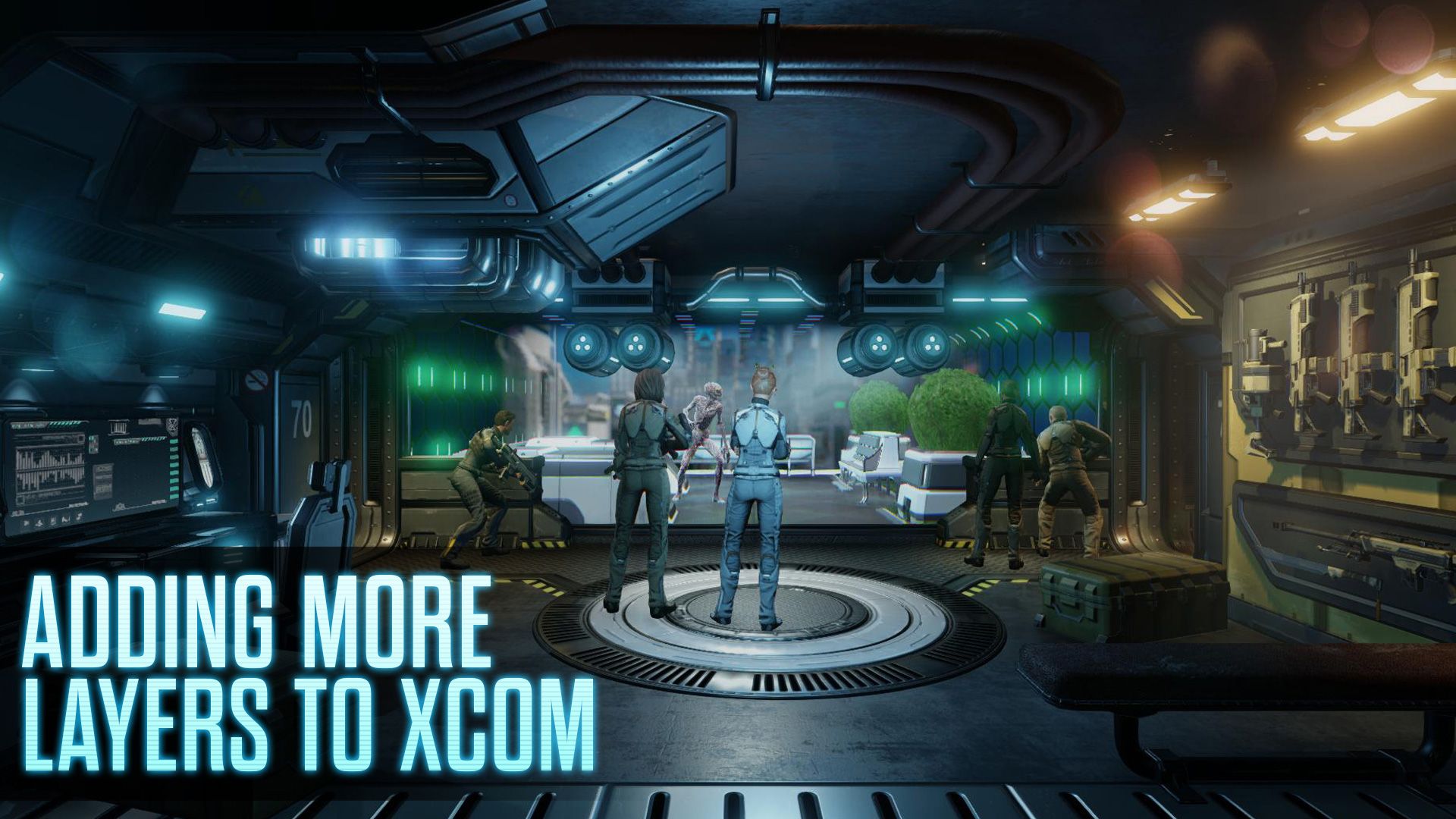
Breathing More Layers into XCOM 2: War of the Chosen
XCOM works on multiple levels. There’s the tactical squad combat where you pray your troops make it home. There’s the strategic layer where you need to make tough decisions that’ll impact the whole war effort. But what happens when you add whole new complex systems on top of XCOM’s strategic layer? It makes the world feel even more alive in XCOM 2: War of the Chosen. Joe Weinhoffer, designer on War of the Chosen, explains how it works and how it came about.
From the beginning, what was the goal of adding new systems to the strategy layer? And how close do you think War of the Chosen got to that original vision?
Joe W. Our primary goal for the strategy layer in War of the Chosen was to make the player feel more connected to the world and the resistance, both mechanically and narratively. We wanted to make the world feel more alive, responsive, and engaging by increasing direct player interaction with the resistance through strategy systems. We also wanted to add more characters and personalities to the game to give a relatable face and emotional attachment to the resistance. And of course, we were looking to add ways to increase player investment in their soldiers.
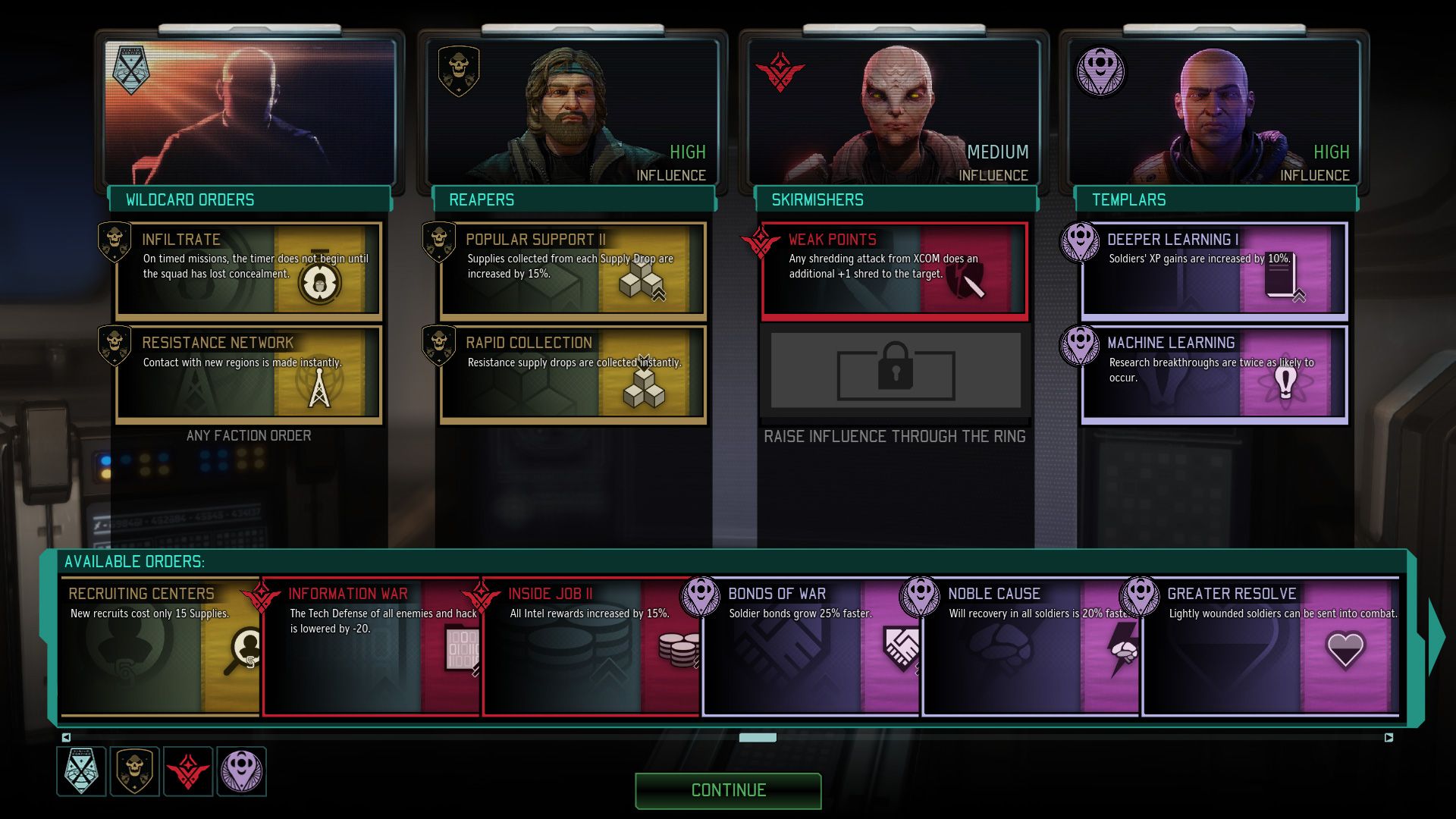
Overall, I think the new strategy systems in War of the Chosen definitely achieve those goals. Covert Actions and Resistance Orders give the player new ways to constantly interact with the factions and dynamically craft their strategic game plan. The Chosen also have strategic agendas, and their monthly actions, like using Retribution on regions or sabotaging sections of the Avenger, provide new challenges to work around. And Soldier Bonds, Negative Traits, and the Photobooth allow players to push their head canon soldier narratives even further.
The faction leaders and Chosen are obviously the biggest narrative elements which help make the Geoscape livelier, but even smaller additions like the post-mission ADVENT propaganda announcements or the Resistance Radio in the bar add a lot of personality to the game. The Radio DJ is a very off-the-wall character compared to traditional XCOM personalities, so that was a bit of risk, but we’re really happy with how he turned out.
Did you have any concerns about adding all of these new complex systems to the strategy layer?
Joe W. Absolutely, especially once we realized how many systems we were thinking of adding on top of everything in the base game, and all the potential complexity that could come from their interactions! We tried to keep the new systems relatively isolated from the base game mechanics, while still allowing them to have a meaningful impact.
Covert Actions are a great example of a feature which is self-contained but provides many interesting decisions. Sending soldiers away on a mission for a few days doesn’t break any other strategy systems, but allows the player to frequently make tough choices about which soldiers to send (especially if there are risks), and which reward is most important at that moment. They also have small but important consequences in the tactical layer by encouraging players to not bring the same squad of soldiers on every mission.
You added activities there that didn’t touch the base game, but you did change others. Can you go into that a little?
Joe W. We changed or cut some of the base game mechanics to add some flexibility for the new features. One example of this is Resistance HQ. In the base game, you could purchase different scanning modes at Res HQ, and every month the resistance would sell a scientist, engineer, or soldier. The War of the Chosen Factions each also have their own personal HQ, and the player has plenty of opportunities to recruit additional staff through Covert Actions. Four HQs felt too crowded, and Covert Actions made shopping at the base game Res HQ redundant, so we cut the original Res HQ and moved the scanning bonuses to the Faction HQs.
Where did you draw inspiration from for the new systems? Board games? Card games? Something else?
Joe W. The new Resistance Orders system is heavily influenced by the Policy system in Civilization VI (*waves down the hall*), but we also looked at a lot of trading card games when designing the user interface and determining how the player interacts with the cards. Sending units away on remote missions for a set time is a system that pops up in a lot of video games and that was an inspiration for Covert Actions. Soldier Bonds are a feature we have wanted to add to the game for a long time, but we looked at a lot of modern RPGs with relationship systems for ideas on how to make it best fit XCOM.
How did you initially plan and test these new systems?
Joe W. Lots and lots of iteration and playtesting! Once we have the idea and a design for a new system, we start by implementing a very small piece of it to get the framework established and the core gameplay elements working properly. For Covert Actions, that was a simple mission with one soldier being sent away, and a basic reward of supplies. For Resistance Orders, it was setting up the code to allow the player to select a single card and activate its effects.
Once those core components are set up and feel fun, we start adding complexity to include all the planned features of the system. Risks, individual soldier rewards, and missions for multiple soldiers were all set up at this point for Covert Actions. This is normally where the bulk of design iteration will take place, as we discover certain pieces that work or don’t work well with each other, or with other systems in the game.
The final piece is to add variety into the system, which involves creating the full scope of content for the feature. This is where we implement all the different types of Covert Actions, or the individual Resistance Orders with their unique effects. The final UI assets also generally don’t get created until this point, since the design is likely to change many times throughout development as we test and play with the feature.
What was the most difficult part of the design process for War of the Chosen?
Joe W. I think the most difficult of part of designing War of the Chosen was figuring out how far we could push the new systems before they became too complicated and overwhelming for the player, or created too much complexity with systems from the base game. We always have a ton of great ideas for each game, but at a certain point we need to step back and really think about what is going to create the best player experience, and then modify or cut features to reach that desired outcome.
How about an example of when you got to that stopping point?
Joe W. This was particularly true in War of the Chosen for the strategy systems which impact tactical combat. We already had Dark Events in the base game, but we added Resistance Orders, SITREPs, the Lost, and the Chosen on top of them for the expansion. There are so many possible combinations that can occur, and some would create very frustrating missions if left unchecked, so we added restrictions to try and limit those moments. However, unpredictability is one of the hallmarks of XCOM, so we still leave plenty of room for crazy situations to keep players on their toes.
What do you think these new features add to the strategy layer? Can you go a little into how you feel this changes the way that you’d have played XCOM prior to War of the Chosen?
Joe W. Overall, I think the features give the player a lot more flexibility in how to implement their personal strategy for taking down ADVENT and the Chosen. Resistance Orders and Covert Actions each let the player take an active role in choosing how to strategically counter their enemies, and allow for quickly shifting tactics to counter a new threat. It makes the strategy layer a lot more dynamic than the base game, and much more engaging.
The new features also have some elements of XCOM randomness for variety, which further increases the value of replaying the game. If your core strategy in one playthrough focused on having a few specific Resistance Orders, you might need to completely reevaluate in a new game where those Orders aren’t available!
What’s the one thing you hope players take out of the experience of playing XCOM 2: War of the Chosen?
Joe W. We hope all the new systems, characters, and narrative elements really augment the XCOM 2 experience, and help the player truly feel like the commander of a global resistance force which responds to your decisions and plans, and has a real impact on the world you are trying to save.
And, as Officer Bradford will likely remind you, it is vitally important that you have a plan, because with the Chosen bolstering ADVENT’s forces and putting their own schemes into play, taking back Earth is going to be more challenging than ever before!
http://store.steampowered.com/app/593380/XCOM_2_War_of_the_Chosen/
Do you have questions for the team? Be sure to follow XCOM on Twitter and Like XCOM on Facebook to keep up to date with the latest information on XCOM 2: War of the Chosen. If you’re looking to enlist with the Resistance, join the 2K Forums!
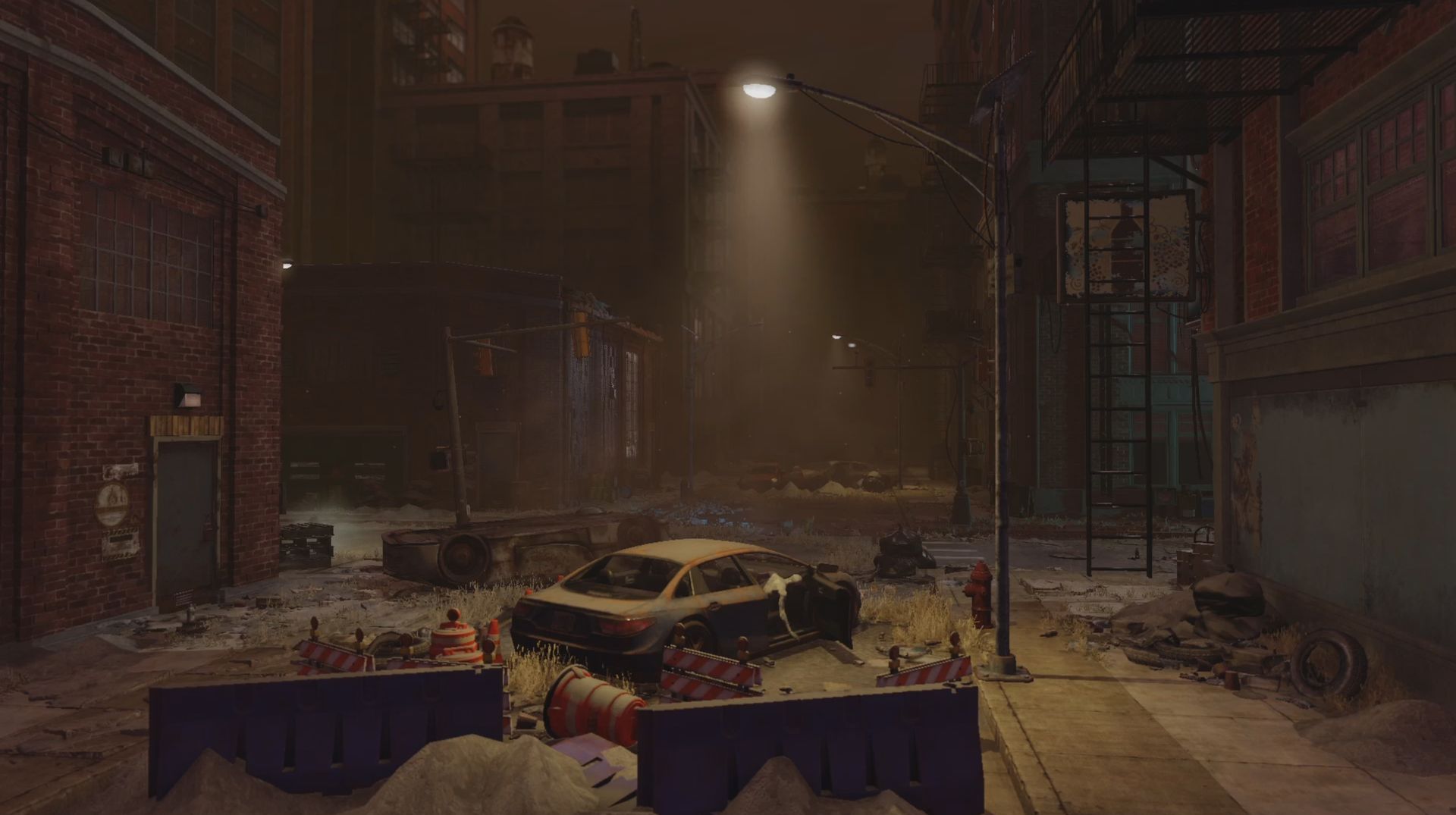
Art of XCOM: Tour an Abandoned City through Concept Art
In XCOM: Enemy Unknown, we fought hard to save a world – pretty much like the world we know today. XCOM 2, and the expansion XCOM 2: War of The Chosen, fast forward us 20 years to a time long after the first war was lost and the world has changed. How did the Firaxis team first envision this enslaved new world? We asked Chris Sulzbach, Art Director for War of the Chosen, and Aaron Yamada-Hanff, Lead Concept Artist, to give us a quick tour of a typical abandoned city you now navigate in the game.
Let’s start with the cities that were first assaulted by the aliens in Enemy Unknown. Were there specific cities – or aspects of cities – you looked at as a guiding light for the initial designs?
Chris S. No specific cities were referenced. We looked at a lot of what makes a city look “lived in” like paved over streets, graffiti, concrete repairs, and just took it from there. We wanted to make it look like it could remind you of any city that you’d ever visited.
Now, building off that, how did you look to tear down and degrade those cities 20 years in? Did you look to real world examples of deteriorating cities?
Chris S. Since the fog pods emit a gas that suffocates organic matter, using cities that were reclaimed by nature wasn’t really an option. We had a Pinterest board that I shared with our concept team and on that we would look at many different dilapidated cities, abandoned rooms and warehouses, and places forgotten in time. These gave us a good direction to go off of as if the residents of the city just vanished but really we all know they were gassed and turned into the Lost.
How was concept art used to tell the story of what happened in the cities first attacked by the aliens, but 20 years later?
Chris S. Because we wanted these spaces to give you a feeling of returning to the lost cities from Enemy Unknown, we actually painted over some those original interiors and gave them the abandoned city treatment as a guide for keeping the same vibe. For the Fog Pod impact sites and the non-Lost humans killed in the initial attack, we referenced the photos from the Pompeii eruption to get a sense of what a sudden overtaking of hot gas looked like. The bodies around the fog pods have unique faces differentiating them from the Lost and look more human and pained. We wanted the player to feel for them if they got a glimpse of them in a glam cam.
What are some of the qualities that a concept artist needs when looking to create art for a game – and, specifically, XCOM games?
Aaron YH. Given that concept artists are visual problem solvers I think it’s important to be consistently inquisitive; repeatedly asking questions to isolate problems and subsequently asking follow-up questions to determine whether the resulting solutions are adequately answering those initial questions. Have enough options been explored? Does an idea create other unforeseen problems? Is the final result helping find meaningful solutions for the game itself? It’s a continuous analytical process that requires a lot of patience and persistence through many changes and countless revisions. Because game development is a collaborative process, clarity is particularly important as an idea or asset is developed and moved through the pipeline.
For XCOM specifically I’d add versatility to the list of necessary qualities. Because our team on XCOM is relatively small, the concept team has picked up certain skills along the way to make visualization more efficient and to be able to help out other departments when necessary. In recent years, that’s included implementing a more 3D-intensive process, as well as learning how to use the game engine itself to develop images and assets that get us as close as possible to seeing our work in the game.
Can you give one example, specific to XCOM’s environment, where you had to do multiple revisions before you hit upon the solution? And can you give an example how that process has changed since you started with a more 3D-intensive process?
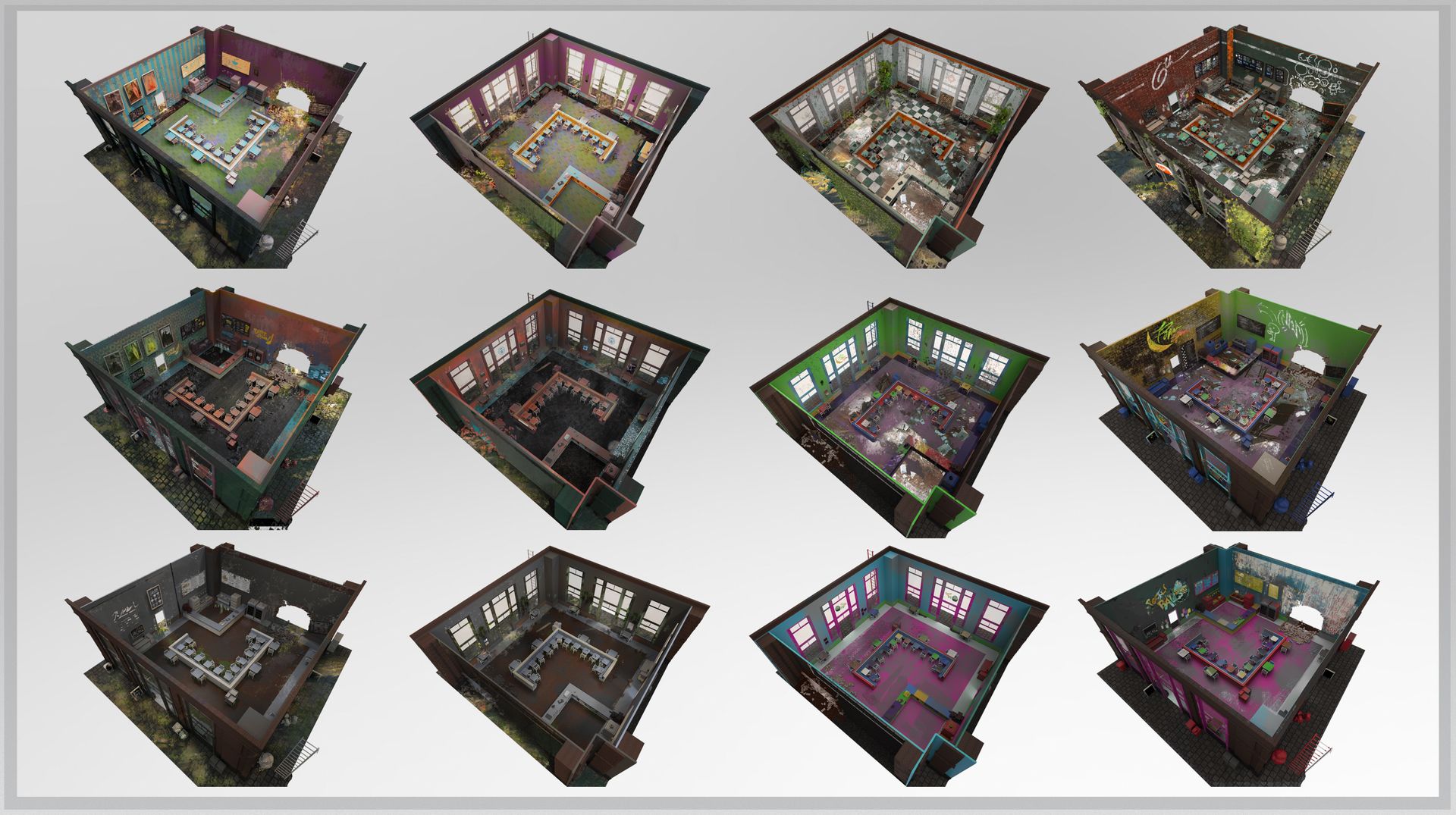
When we designed interiors for the restaurant in the abandoned city we did a number of experiments to see what treatment worked best. With the muted palette of the abandoned city, we wanted to explore spaces that had a more vibrant color palette and wilder use of texture in addition to spaces that had a more subtle use of color.
In these concepts we exported existing level designs from the engine and painted over the shot, modeling extra pieces when necessary. XCOM relies so much on the grid that we always have to be aware of how a given visual decision will affect readability from game camera or change design rules. Approaching things in this way helps us make sure we’re concepting in ways that serve the game first, whether dealing with environments (including props and vehicles), weapons, or characters.
We also explored concepting exclusively in the game engine by taking assets that we already had, arranging them in ways that implied more of a narrative, and lighting them dramatically. Later in the process this approach ended up being immensely time efficient. Where painting over a screenshot or making a new illustration might have introduced new assets or unforeseen issues, utilizing the vast library of existing assets allowed us to set a visual bar for the level while staying as close as possible to the game itself.
What is the most indispensable tool you use when creating imagery for XCOM?
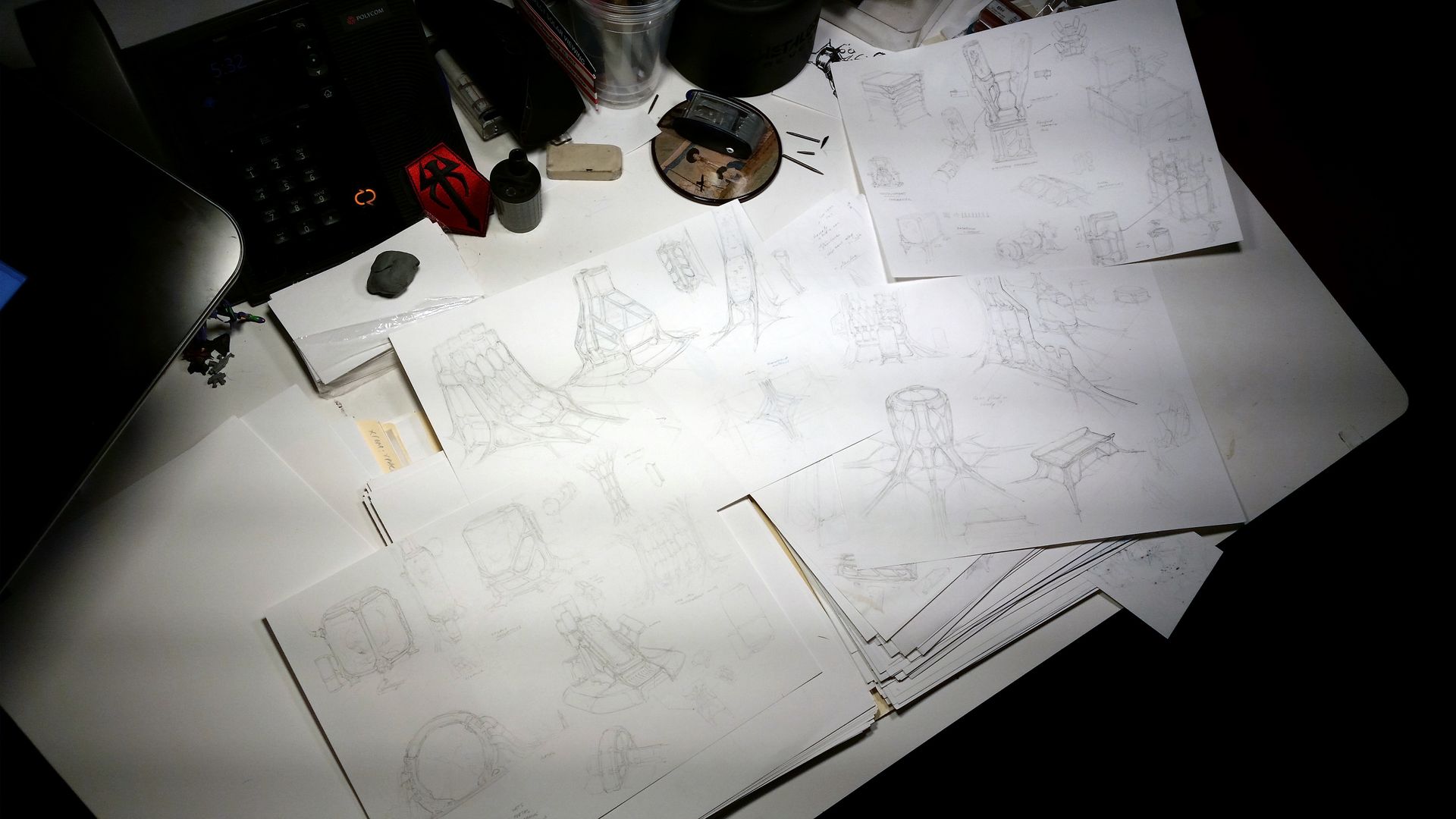
Aaron YH. While we have access to some amazing software that enables us to create polished work in a very short amount of time, I still find myself coming back to pencil and paper to start most of my ideas. The simplicity and immediacy of that medium allows for a low maintenance way of developing an idea. My desk is consistently littered with sheets of paper where I jot down thoughts in the form of sketches. It’s quick and effective, and is absolutely a core element of my working method.
What aspects of the concept art absolutely had to make it over to the final game assets?
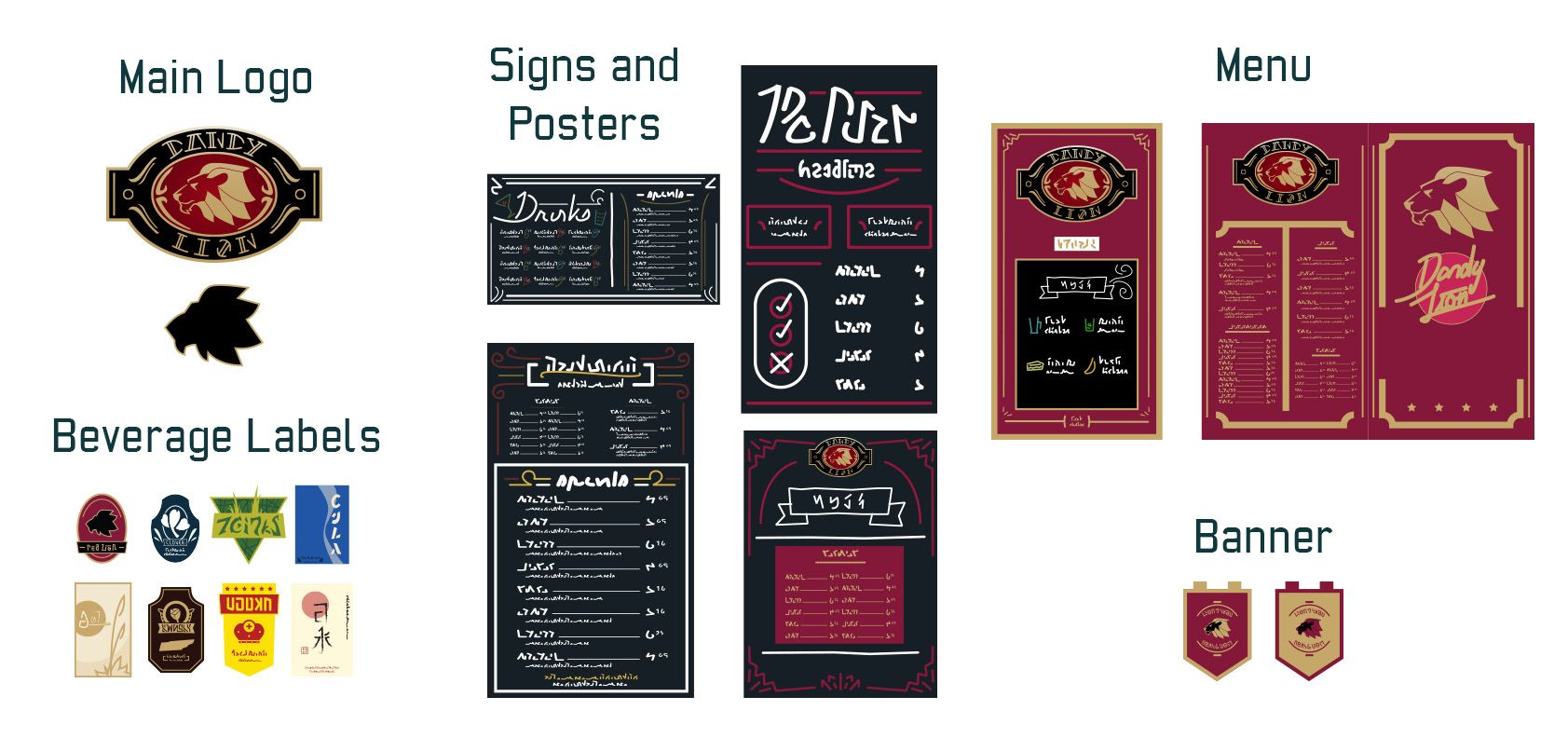
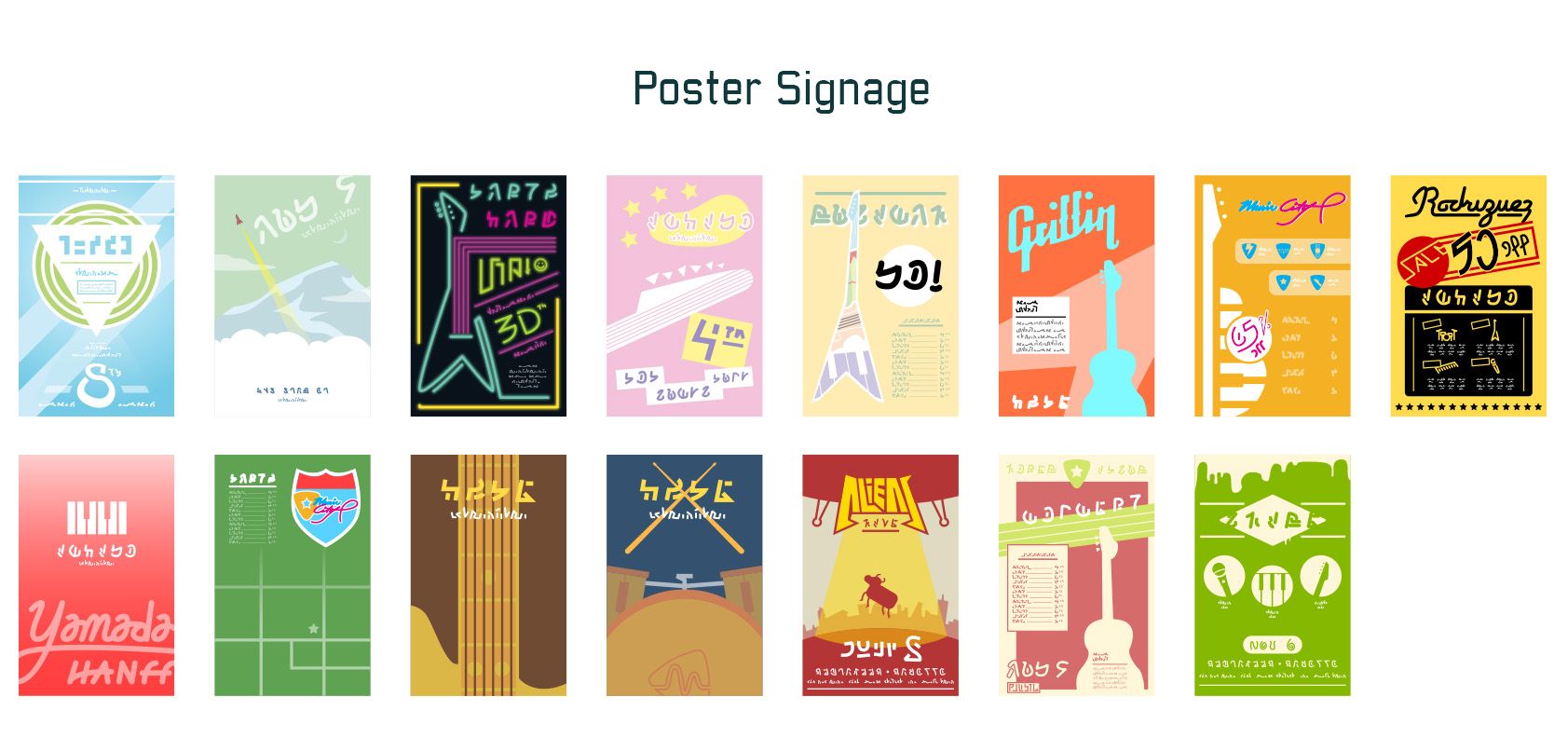
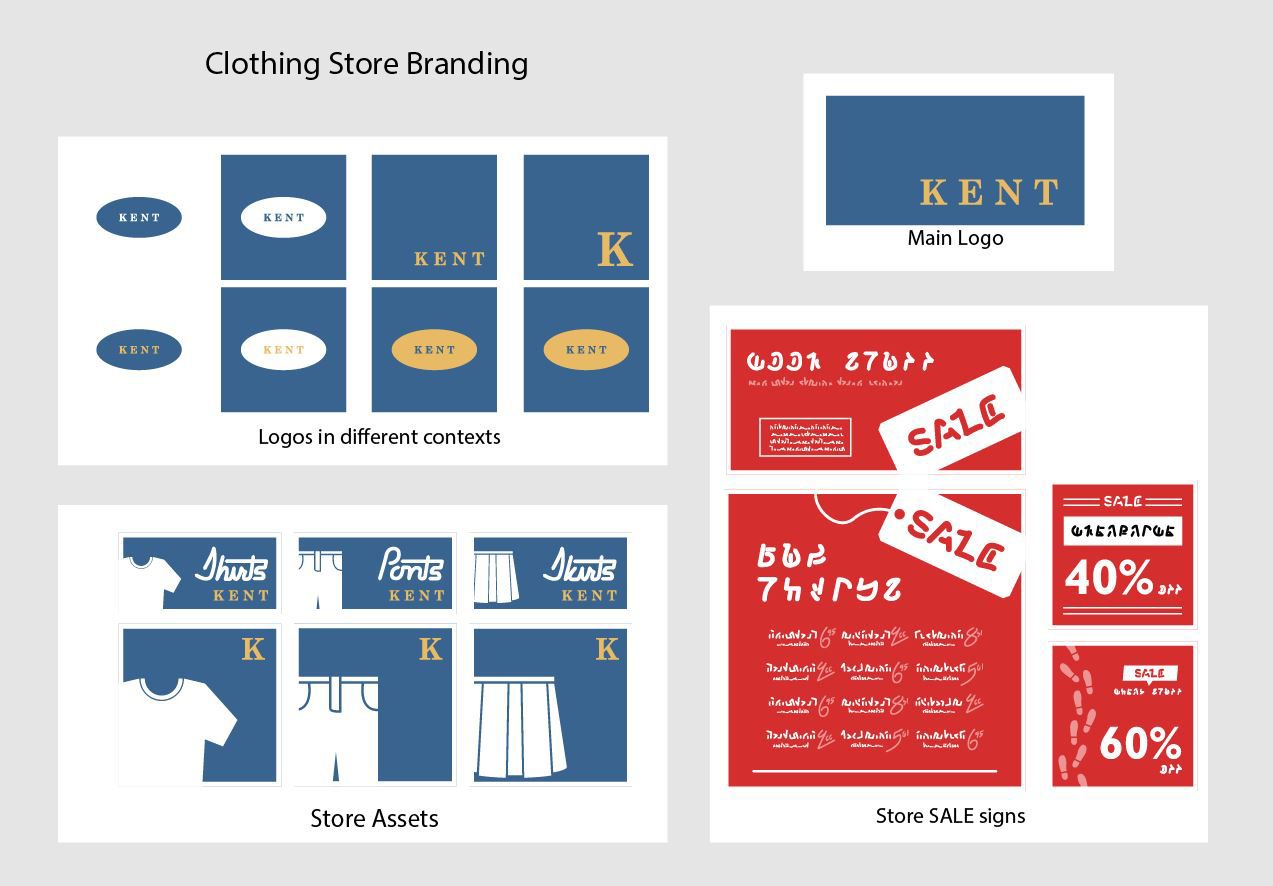
Chris S. Both in our game and in real life, types of buildings, like retail stores, share similar features. Every store will have shelves, counters, and other display structures. In the game, we only have to make a couple different shelves which we can use as many times as we need. To create a city that feels real, we have to create several different kinds of stores. To do this, we reuse the same structural assets (shelves, counters, etc) and then focus on creating unique branding (posters, signage, merchandise) for each store.
Are there any pieces / aspects hidden in the final art of the game people should be looking for? Give some details, if possible.
Chris S. Since these cities were lost in the first invasion, we used a lot of signage we had created for Enemy Unknown. The elevated train has the same signage as the train in Enemy Unknown and we also called back to the initial announce trailer for Enemy Unknown in one of the Lost and Abandoned loading screens. Here’s a couple examples of what I’m talking about…
What makes you say, “This is why I love my job!”?
Chris S. Seeing the spaces go from grey box layouts to final lit with ambient effects is just so cool and never gets old. The last few months of any project, though usually stressful with deadlines, is really rewarding because all the work from all the disciplines come together and everything just clicks into place. It is such a cool feeling.
http://store.steampowered.com/app/593380/XCOM_2_War_of_the_Chosen/
Do you have questions for the team? Be sure to follow XCOM on Twitter and Like XCOM on Facebook to keep up to date with the latest information on XCOM 2: War of the Chosen. If you’re looking to enlist with the Resistance, join the 2K Forums!
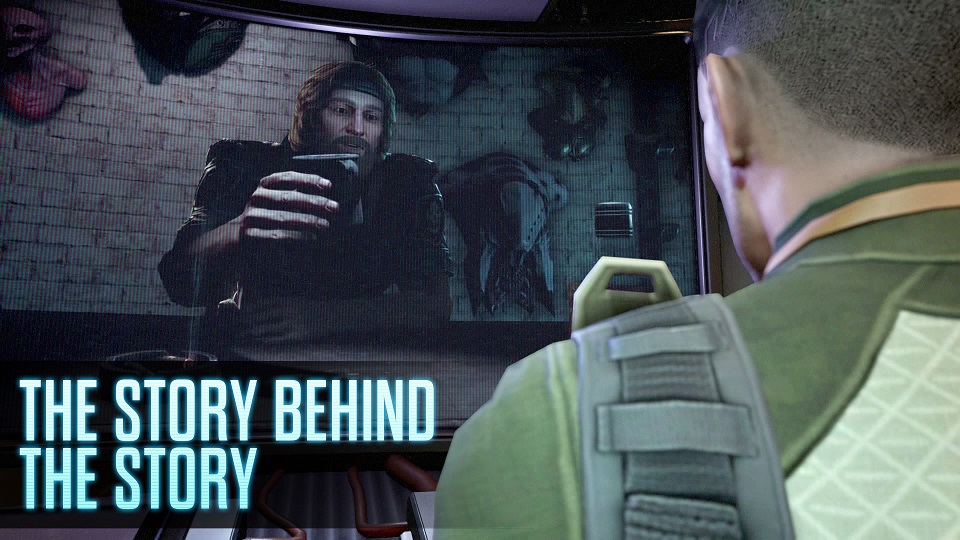
THE STORY BEHIND THE STORY OF XCOM 2: WAR OF THE CHOSEN
There’s a lot that goes into the creation of any story, but how do you balance that out in a franchise like XCOM where so many of the memorable moments come from the personalized experiences your avatars have on-mission? XCOM 2: War of the Chosen introduces new factions, The Chosen and a whole series of narrative experiences that previously hadn’t shown up in the franchise. How did it come about? We asked Scott Wittbecker, Lead Writer on XCOM 2.
How do you approach creating a fixed story that also allows for a wide-open player experience?
This is probably the biggest overall challenge we face narratively, introducing a fixed storyline with actual characters that doesn’t throw off the natural emergent storytelling that XCOM is known for. Personally, I think the most important aspect of that is leaving the soldiers alone, allowing their physical appearance, background, attitude, etc. to be decided by the player. Even with the fixed heroes we’ve introduced over the years (Annette, Zhang, Jane, Mox, Elena, and so on), at the very least we want there to be enough choice and customization involved that you never feel like we’ve forced a persona on one of your favorite soldiers. That’s meant to be entirely up to your imagination, and there’s no denying it’s one of XCOM’s greatest strengths.
And that imagination was shifted dramatically with XCOM 2. It went from hoping to repel an alien invasion to starting the sequel knowing that we lost.
https://youtu.be/n3bENBYSucQ
Narratively, the XCOM franchise has always been campy, going back to the original opening of X-COM: UFO Defense. It can be difficult to get away from that tone with such a wild variety of outlandish enemies and technologies. While Enemy Unknown had a darker theme tied to the idea that we’re experiencing the invasion and discovering these aliens for the first time, XCOM 2 exists in a world where the aliens have been around for years. On the surface, that mystery is gone for most of the surviving human population. Although there are a lot of over-the-top sequences, I think we’ve been successful in introducing the occasional thoughtful moments along the way. The nature of XCOM in general makes it difficult to wrap a story—a soldier who is alive now might not be after the next mission, so we can’t make any assumptions about who will appear in an upcoming scene.
Do you feel the introduction of elements like Soldier Bonds (and the Photobooth feature) help tell more of those stories that personally affect the player’s choices? How?
Absolutely. Soldier Bonds, Photobooth, and how the Chosen interact with the player are just a few ways the gameplay promotes the player’s personal story. The features that are designed to enhance the player’s connection to their soldiers are usually left somewhat vague on purpose. With Soldier Bonds, the idea of a “bond” between two people could mean many different things. It’s up to the player to decide if the bond two soldiers share is friendly, professional, romantic, etc. Photobooth is about giving the player 100% total creative control in their personal story. They have an idea of who these soldiers are and what they mean to each other. Now they can illustrate their stories and share them with the world.
When you were developing the dialogue, what comes first? Were you leaning heavily into the voice actors that were cast? Or did you have a clear idea of the main characters coming in?
https://youtu.be/yRLOkk-Lhdw
Jake and the designers had a specific archetype in mind for each of the Chosen by the time I really dug into their personalities, so they were shaped more by the gameplay requirements than the actors who eventually played them (all of whom did an amazing job.) For the remaining parts, we admittedly saw a great opportunity to work with a great cast of actors. Knowing each of them so well from their past work, this group had a much greater influence on the tone of their characters (resistance leaders and faction soldiers).
War of the Chosen introduces three nemesis that personally taunt the player. Explain how this is a big shift from how the XCOM series has worked in the past and why you took it in this direction.
The Chosen are the most narratively involved characters we’ve ever developed in a Firaxis title, and there’s certainly been a learning curve internally as we experiment with introducing more personality and flavor into the XCOM franchise and the studio’s games in general. There aren’t many strategy games, particularly turn-based games, that focus on a cinematic narrative component. It would be easier to develop a strictly text-based system, but as it stands each of the Chosen have roughly 600 lines of unique dialogue. And that’s saying nothing of the 10,000-someodd lines of new voice over going into the expansion overall. Taken together, I think it helps set XCOM 2: War of the Chosen apart in terms of our polish and presentation.
Speaking of all those lines of dialogue, was there a particular line or an exchange between characters that is your favorite moment? Why?
The Resistance Radio DJ (played by Jake Busey) is probably some of the craziest dialogue we’ve put out there, it was a lot of fun to write and record. You only really hear him in the Bar area, so I’m guessing it will take a while before the fans hear the full extent of his stories. I don’t want to spoil it, though. You’ll have to just play the game to hear it for yourself.
Avoiding spoilers, can you talk about some of the inspirations for the story in War of the Chosen?
We really wanted to build on the feeling of a worldwide resistance effort while also pushing the idea that the aliens (and now the Chosen) are out there working towards their goals just as eagerly as you. While the core game always referenced a fledging resistance growing across the planet, with the introduction of the factions we were finally able to put a face on these otherwise mysterious survivors.
We’ve already announced there’s a new book coming that tells more about the world of XCOM 2. Want to share any additional insights about the process – or about the upcoming book?
We typically end up with a decent amount of background history and lore that doesn’t make it into the game itself for various reasons. Fortunately for our fans who do enjoy the narrative, there are a number of supplements planned that should fill in some of those story gaps we couldn’t cover during the campaign. But you’ll have to stay tuned for more details there.
*****
In the coming weeks, we’re going to continue chatting with the team about all aspects of the game and the work that went into creating XCOM 2: War of The Chosen. And we plan to answer your questions – and more – right here.
http://store.steampowered.com/app/593380/XCOM_2_War_of_the_Chosen/
Do you have questions for the team? Be sure to follow XCOM on Twitter and Like XCOM on Facebook to keep up to date with the latest information on XCOM 2: War of the Chosen. If you’re looking to enlist with the Resistance, join the 2K Forums!
XCOM CHALLENGE REPORT: WEEK OF SEPTEMBER 25
Welcome back, Commander.
In XCOM 2: War of The Chosen, new objectives and incoming Intel are being fed to us every day. All you need to do is open up Challenge Mode on the main menu and accept the day’s mission.
To help ready the troops, we are declassifying the missions that will be available online next week. This week, the odds may seem stacked against your smaller squads, so be smart with how you deploy the troops.
Just be aware that some objectives may change. After all, in war, no plan survives first contact.
WEEK OF SEPTEMBER 25
9/25
OBJECTIVE: Plant X4 charges on the Psionic Transmitter
ENVIRONMENT: Small town
TEAM: A heavily-armed squad of Sectoid, ADVENT Priest and Codex units.
ENEMY FORCES: A complement of ADVENT soldiers and a number of alien units including Archons and Vipers are providing local support to protect the transmitter.
9/26
OBJECTIVE: Neutralize the alien strike force
ENVIRONMENT: Shanty Town
TEAM: A small group of well-armed Skirmishers and Specialists.
ENEMY FORCES: Brace for a major Chryssalid infestation.
9/27
OBJECTIVE: Plant X4 charges on the Psionic Transmitter
ENVIRONMENT: Slums
TEAM: Command a couple Andromedons and an ADVENT MEC.
ENEMY FORCES: A combination of Sectoid, ADVENT Priest and Codex units are protecting this installation.
9/28
OBJECTIVE: Locate and Neutralize the ADVENT Field Commander
ENVIRONMENT: Subway Tunnels
TEAM: A full detachment of Specialists.
ENEMY FORCES: Defending the Field Commander are ADVENT troops, Sectopods and MEC units. Proceed with caution.
9/29
OBJECTIVE: Plant X4 charges on the Psionic Transmitter
ENVIRONMENT: Small Town
TEAM: A small squad of ADVENT MECs, a Ranger and Specialist.
ENEMY FORCES: Intel suggests that beyond the ADVENT troops, Sectoids and at least one Codex are protecting the Transmitter
9/30
OBJECTIVE: Recover the ADVENT Power Converter
ENVIRONMENT: Abandoned City
TEAM: A small team of well-equipped Rangers.
ENEMY FORCES: Expect a tough fight against Andromedons, Archons and ADVENT Purifiers.
10/1
OBJECTIVE: Extract the VIP at the designated location
ENVIRONMENT: City Center
TEAM: A team of Vipers have been dispatched to see the VIP makes it to safety.
ENEMY FORCES: A number of ADVENT troops, Vipers and Sectoids will be trying to intercept your squad as you make your way to the extraction zone.
Are you ready to deploy?
Tell us which sorties you’re looking forward to the most.
Art of XCOM: Listen to the War of The Chosen Soundtrack Now
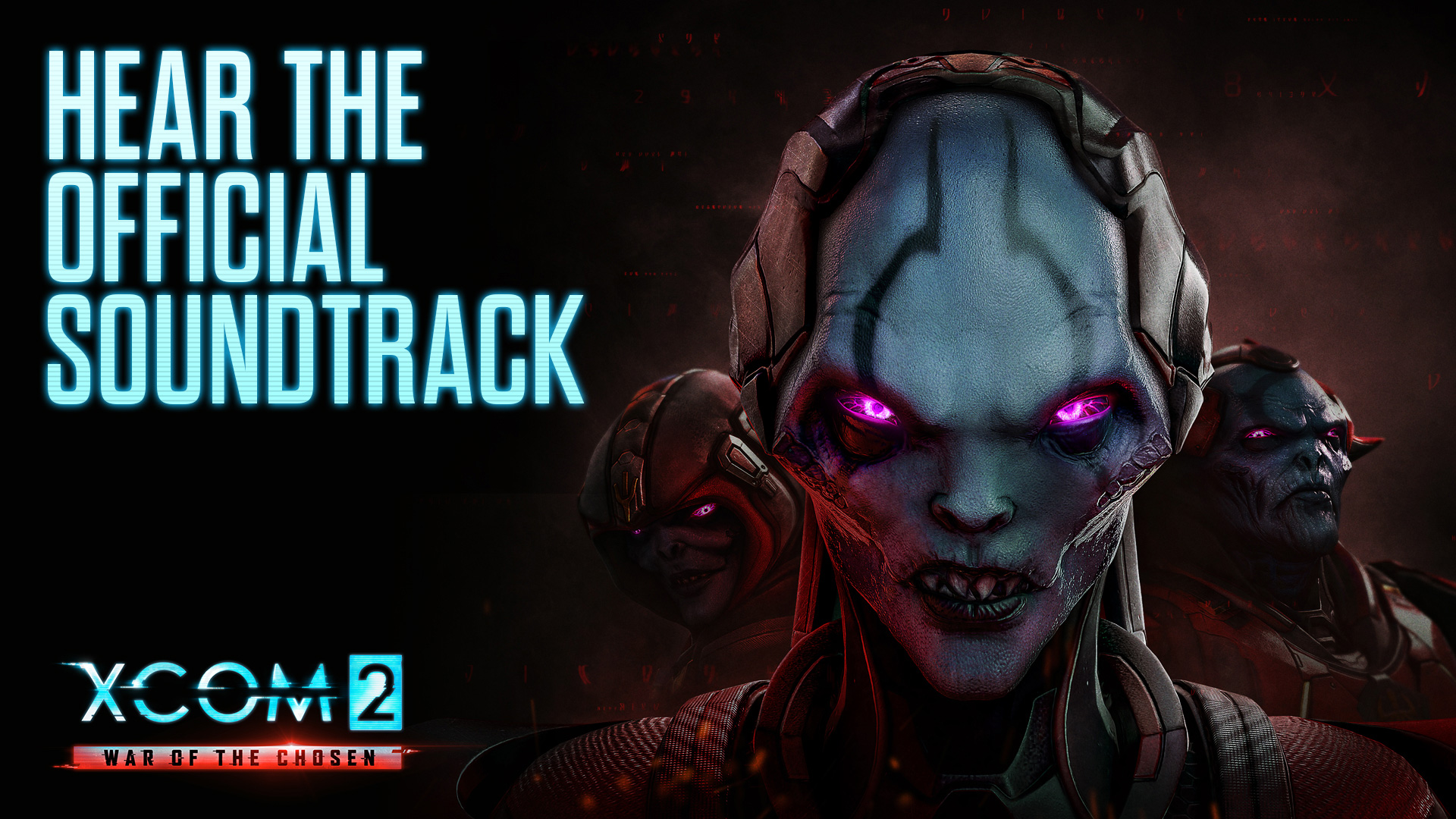
Today, we’ve got a treat for you. This could be a simple Q&A interview with Tim Wynn, Composer of the XCOM 2: War of The Chosen soundtrack. But we also put together the entire score for your listening pleasure and uploaded it to YouTube. So, go ahead and click the embedded link, kick back and listen while we discuss what into crafting the game’s music.
https://www.youtube.com/watch?v=RfyK8iK71Pg
When you’re doing the score for a game like XCOM, what are some of your inspirations for pulling it all together?
For XCOM, the inspiration mainly came from the story. I like to start by creating the themes, and then look for ways to incorporate them into the game. For War of the Chosen, the story has numerous defined themes. I started with the Chosen theme and then wrote individual themes for the Warlock, Hunter and Assassin.
How is it working on the score for something like XCOM compared to other projects you’ve worked upon?
Each project is unique and every project needs their own sound and voice. With games, I really like to find the emotion in the story. In XCOM 2 that mainly comes from Shen and her following in her father's footsteps.
Let’s explore that for a second. What were you thinking about Shen and how did you want to bring that out? Any other moments that also inspired you?
I was focused on Lily’s feeling about carrying on her father’s life work. There is a certain amount of melancholy in that. I was also thinking about the bond between a father and his daughter. Being a father myself, I understand how powerful that can be. Some of the other things that inspired me were the new characters. Each of the Chosen have their own unique personalities and I tried to bring that out in the music. The lost were also fun to cover. Who doesn’t like zombies?
What piece are you most proud of composing from this score – and why?
It’s always hard to pick one piece of music but if I have to choose it would be the track called “War of the Chosen”. I like that it has both the Chosen and XCOM themes in it. A close second would be “Metal and Steel”. Fans of XCOM know how important the squad loadout screen is and I really like how the XCOM theme blends with some of the motifs from the Chosen.
How do you go about composing music – can you tell us about some of your process?
When I start writing for a game, I like to immerse myself in the story. I like to see all of the concept art and read as much of the story as possible. Once I have watched, read and sometimes play through the game, I will start to write. My best ideas usually come away from the keyboard. Inspiration can come all times of the day and in all settings. I like to sing the melodies and ideas into my phone and translate from there.
Can you go further into the creation process? You hum a melody into your phone…and what happens next?
I wish it was that easy! From there I take my recordings to the piano and start to sketch out a composition. Then usually comes more singing into my phone, and time and the piano. All of that gets poured into my computer where it comes to life.
We are looking to include the soundtrack / score with this story, so as we’re listening – what are some of the things people should be listening for?
The first thing to listen to may be the main theme “War of the Chosen”. I was looking to create a hybrid orchestral/analog synth sound for the game. It opens with what I call the Chosen motif in the analog synths. It was the first idea I had when writing but I felt that it wasn’t enough of a theme but I love how it works inside of the Chosen theme. Another thing of note is at 2:20 when the XCOM theme comes in dark, somber tone.
“Shen’s Hope” comes from the DLC Shen’s Last Gift. I like the otherworldly voice in Shen’s theme and how the emotion plays in the story.
As I mentioned before, I am really happy how “Metal and Steel” turned out for War of the Chosen. I was looking for a way to use the XCOM theme in 6/8 meter and I like the results. This piece of music is really meant to pump you up for the next mission, and I think it succeeds. Listen for the Chosen motif at :52 and when the XCOM B theme comes back at 1:09.
Track 7 “Vox Prima” is another cue to listen for. It’s the first time you hear the theme for the Skirmishers in the game. The theme works great for the Skirmishers and Mox is voiced by actor Michael Dorn – which makes it come together that much better.
Any things you’re hoping people take away from hearing the game’s score.
For me, I really wanted this score to be all about themes. I wanted the player to know when the one of the Chosen were stalking them. Also, XCOM 2: War of the Chosen is not your typical DLC. The story is so rich and well thought out it feels more like a whole new XCOM game. I tried to reflect the complexity of it in my score.
******
We’re going to continue chatting with the team about all aspects of the game and the work that went into creating XCOM 2: War of The Chosen. And we plan to answer your questions – and more – right here.
In XCOM 2: War of The Chosen, new objectives and incoming Intel are being fed to us every day. All you need to do is open up Challenge Mode on the main menu and accept the day’s mission.
To help ready the troops, we are declassifying the missions that will be available online next week. This week, prepare to fight alongside a cadre of ADVENT and alien forces including Andromedons, Spectres and Faceless.
Just be aware that some objectives may change. After all, in war, no plan survives first contact.
WEEK OF SEPTEMBER 18
9/18
OBJECTIVE: Locate and neutralize the ADVENT Field Commander.
ENVIRONMENT: Sewer tunnels
TEAM: Mixed Alien / ADVENT force comprised of a Sectoid, Codex and ADVENT Priests
ENEMY FORCES: A contingent of ADVENT troops supported by multiple Sectoids.
9/19
OBJECTIVE: Recover the cryogenic experiments
ENVIRONMENT: Slums
TEAM: An alien wrecking crew consisting of a Berserker, Andromedon, Chryssalid, Sectoid and Spectre units.
ENEMY FORCES: Expect heavy resistance from Mutons and Berserkers protecting the experiments.
9/20
OBJECTIVE: Recover ADVENT power converter
ENVIRONMENT: Waterfront
TEAM: Small squad consisting of an ADVENT Shieldbearer, Specialist and Skirmisher
ENEMY FORCES: Be ready for a combination of ADVENT forces, MECs, Sectoids, Mutons and Archons.
9/21
OBJECTIVE: Download Cryogenic Experiments from the exposed access point
ENVIRONMENT: Slums
TEAM: A team of Specialists and Skirmishers
ENEMY FORCES: ADVENT troops, Purifiers, Archons and Andromedons have been spotted in the vicinity.
9/22
OBJECTIVE: Rescue VIP from ADVENT Prison
ENVIRONMENT: Subway Tunnels
TEAM: A groups of Andromedons, Spectres and an ADVENT MEC
ENEMY FORCES: Spectres and Sectoids are known to have patrol routes in the area.
9/23
OBJECTIVE: Protect Data Interceptor Device
ENVIRONMENT: Abandoned City
TEAM: Rangers
ENEMY FORCES: Closing in on the device’s location are a detachment of ADVENT troops, MECs and Codices.
9/24
OBJECTIVE: Rescue VIP from an ADVENT vehicle
ENVIRONMENT: City Center
TEAM: A Ranger and Reaper partner up with a Muton and Viper.
ENEMY FORCES: A number of ADVENT Priests and Sectoids have set up a perimeter around the location.
Are you ready to deploy?
Tell us which sorties you’re looking forward to the most.
The Story Behind the New Factions in XCOM 2: War of The Chosen
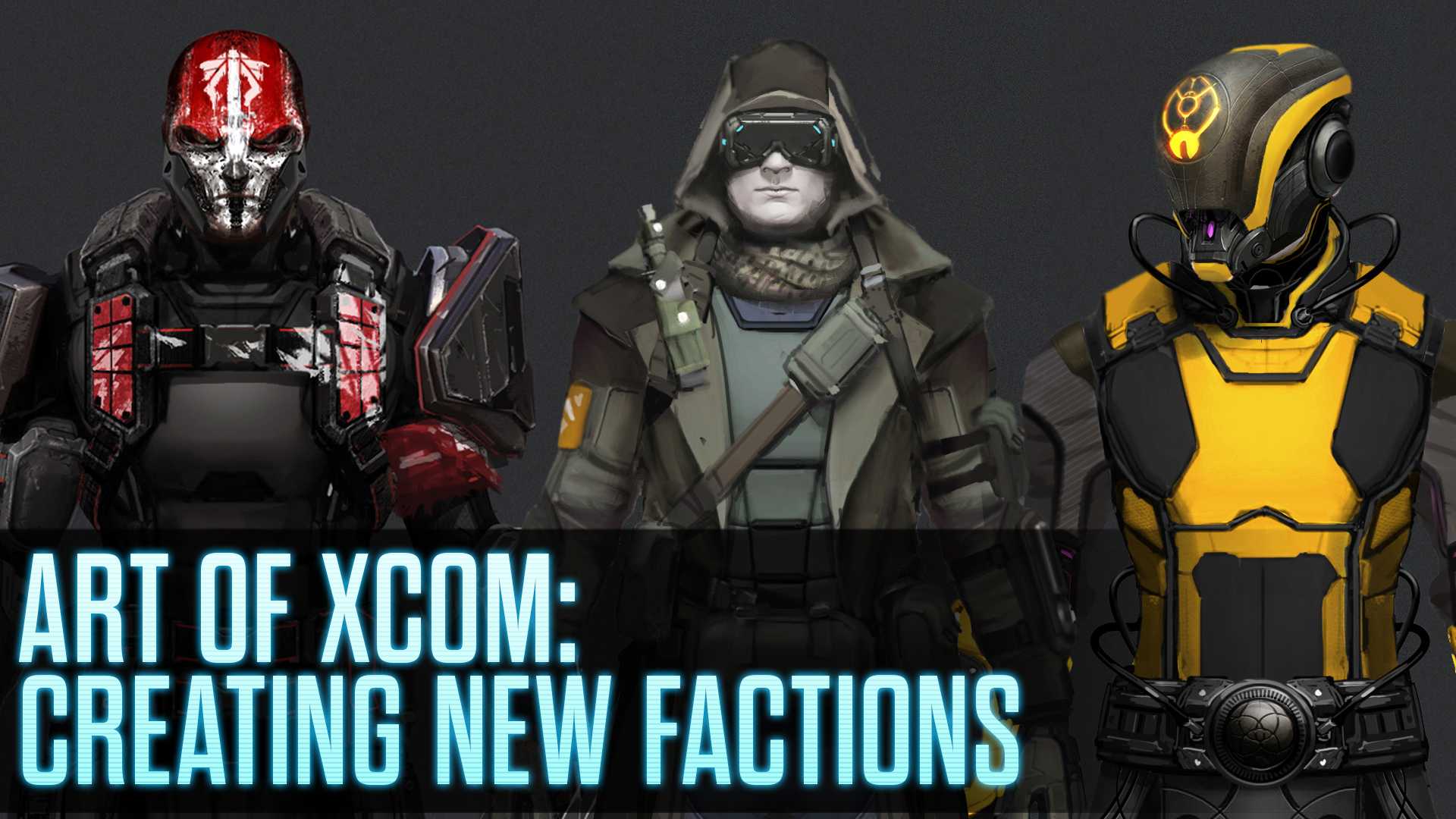
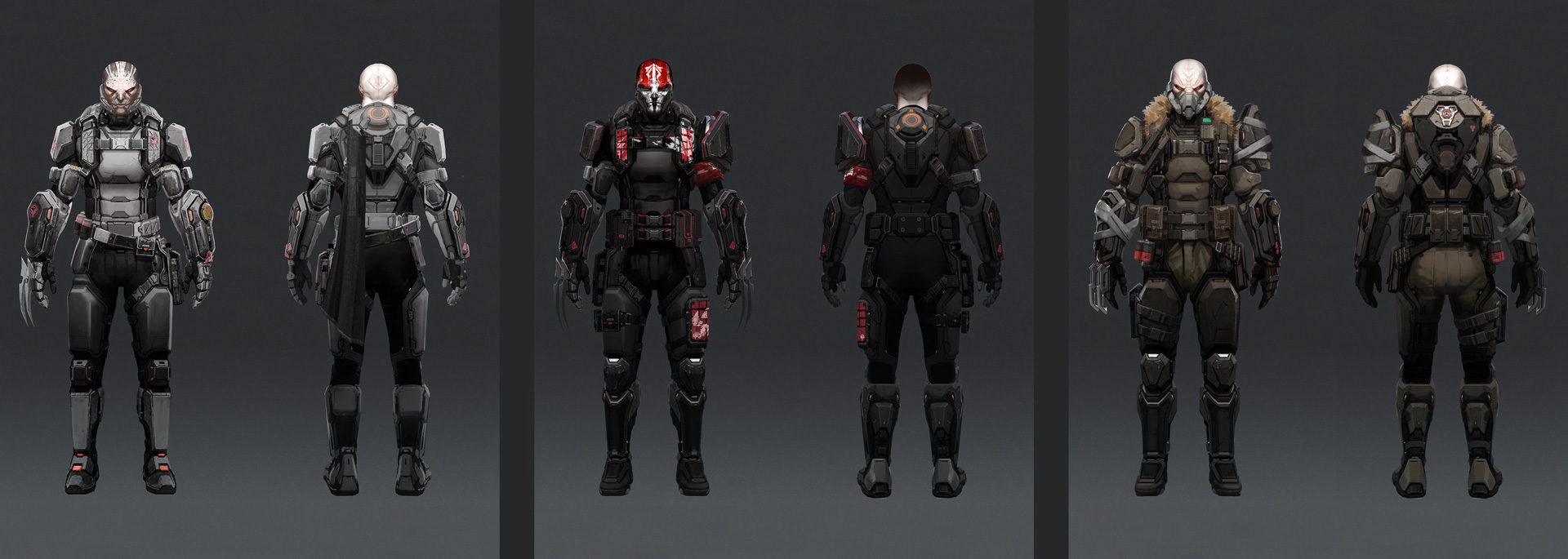
The new factions in XCOM 2: War of The Chosen are much more than just additional soldier classes to command. They are groups with goals and ideologies that flesh out the world you’re fighting to save. The new gameplay features introduced with these factions expand the strategies available to the player. They also play a huge part in a brand new narrative experience. For the developers, the factions provided the opportunity to develop and evolve many of the features they introduced in XCOM 2.
Joe Weinhoffer (Designer) and Scott Wittbecker (Lead Writer) from Firaxis’ XCOM 2: War of The Chosen team sat down recently to share some of what went into creating the three new factions.
Let’s start off easy. What were the first questions that the team asked themselves as they started working on these new Factions?
Joe W. In general, our approach to the expansion was looking for areas of the game we could fill up with new features, narrative, or at least update to make the game more fun. One of the primary goals of the expansion was to enhance the narrative experience, and to make the player feel more invested in the world they are saving. We knew very early on that the Chosen and the Resistance Factions would be the key elements of that narrative, and of course each of the Factions would have a new associated soldier class. We wanted each faction soldier to have a unique identity and cool new tactical mechanic, but at the same time they had to sit well with all the other soldier classes. Our goal wasn’t to make any established class obsolete, but to offer the player new units that would enable different strategies utilizing all of the soldier classes.
What’s an example of one of the new tactical mechanics and strategies that the faction soldiers provided?
Joe W. The first faction soldier we worked on was the Reaper, which we fleshed out pretty quickly. All of the soldier classes in the base game could use concealment at the start of most missions, and Rangers had some additional abilities to put them back into concealment and benefit from it. We really liked concealment as a mechanic, and wanted to experiment with pushing it even further. What if we had a unit that could control concealment, or never broke out of concealment? From there, the ideas and possibilities for the Reaper started flowing, and we settled quickly on the basics of their Shadow concealment mechanic. Once the core gameplay trait is established, we start asking, “How can we use this mechanic to create fun abilities and interesting tactical decisions for the player?”
Going back at the beginning of the process. What laid the groundwork for these awesome ideas?
Joe W. The creation process for each of the Faction soldiers started with an idea from Jake [Solomon] and an overall description of the Faction’s narrative ideology and the soldier’s core gameplay mechanic. For the Reaper, that was looking at interesting ways to use concealment.
So after you have this rough framework, you start filling the in gaps. What were some of the inspirations for the new factions and their heroes?
Scott W. Like Joe said earlier about the Reaper, we wanted to make sure that we were addressing parts of how the game plays, but also do it in a way that also shows you more of the world and the factions existing on the fringes of it. As for the faction leaders, knowing who we had in mind for the roles (Jonathan Frakes as Volk, John De Lancie as Geist, and Denise Crosby as Betos) helped shape these characters' tones to a degree, based on the actors’ individual strengths.
A lot of it, though, came from us building upon the world that already existed. We just took it down roads that made sense.
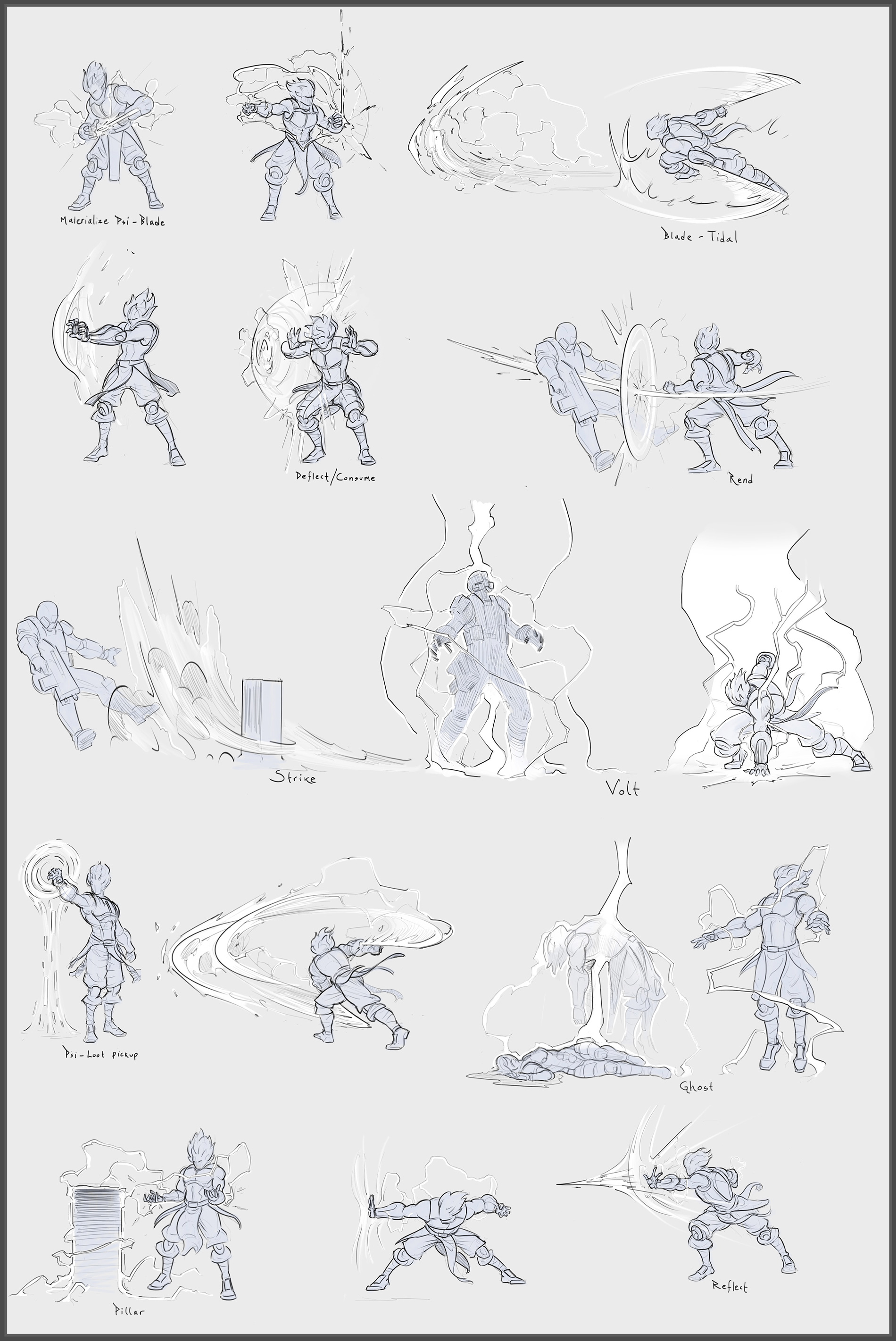
Joe W. Take the Templar, for instance. We wanted to make the Templar feel very different from the base game Psi Operatives, and one of the ways we achieved that goal was by giving them a unique visual manifestation of the psionic energy for their abilities. Traditional XCOM psionics are very organic and wispy in nature, reflecting the natural affinity of the Psi Operatives and their more utility-based abilities. The Templars have harnessed their power through the use of technology, and their attacks are much more offensive, so their psionic effects are more jagged, visceral, and electric.
Scott W. For me, though? I’ve got to say that the most interesting creation process was the Skirmishers. The biggest part narrative exploration being how much of their alien nature they would keep after being freed from ADVENT control. We wanted to convey a sense that the world is sort of "new" to them, they're seeing and hearing things independently for the first time without ADVENT telling them how to interpret this information. It was also an opportunity to introduce more of the ADVENT language while also hinting at the intended meanings for some of the original [dialogue lines]. (For a detailed look at the how the language of ADVENT was created, check this story.)
You’ve got your world lore, you’ve determined the gameplay mechanics for each faction. What comes next?
Joe W. Then Mark [Nauta], Jake [Solomon], and I would all brainstorm ideas for abilities, discuss what worked, and come up with a first pass at an ability tree and overall progression. Since we knew the faction soldiers would rank up differently than the base game soldiers, we spent less time worrying about where each ability would fall on their tree, and instead focused more on designing abilities which fit the new gameplay mechanics and had unique tactical benefits. Finalizing the position of each ability at a specific rank in the tree actually happened relatively late in the process.
Obviously, it’s an iterative process as you’re developing - what are some of the more interesting things that didn’t find their way into the final factions?
Joe W. The faction soldiers went through a lot of changes before they ended up in their final form. We went through periods where they were too powerful, and others where they weren’t powerful enough.
Reapers had a really cool ability called “Executioner”, which turned their critical hit chance into an instant-kill chance. It was incredibly fun to play, but became way too overpowered in the late game when you could equip a Superior Laser Sight onto the Vektor Rifle. The extra crit from that upgrade, coupled with the Reaper’s Shadow mode making it very easy for them to get into flanking positions for an additional crit bonus, gave them almost guaranteed insta-kills. We eventually reworked it to become the “Death Dealer” ability, which doubles the amount of critical damage dealt against flanked targets in Shadow, so it kept the same gameplay incentive with a slightly less overpowered result.
Skirmishers originally had “Forward Operator”, an ability which granted them an extra action point every time a new group of enemies was revealed. This ended up working a bit too well and gave Skirmishers way more action points than we intended, since the game has many different situations which it considers an “enemy reveal”, so the ability was cut. The default “Marauder” ability allows Skirmishers to do much more with a single action point than any other class, so abilities like “Reflex”, the Psi Operative’s “Inspire”, or using “Teamwork” from a bondmate can all still give the Skirmisher plenty of actions to work with.
The ability list for the Templars, though, is very similar to the original design. The biggest update we had to make during their development was applying restrictions to Ghost which limited the abilities the clones could use. We also had to ensure the Templar couldn’t summon infinite Ghosts and trivialize missions. When the ability was first implemented, Ghosts could summon additional Ghosts themselves, which was pretty crazy!
Not that you play favorites in the office, but is there a favorite faction amongst the Firaxis staff?
Joe W. We love each faction equally like they’re our children. There is a lot of love and support for each of the factions, since everyone made contributions to get them into the game. The art department did a fantastic job giving them all unique, exciting looks. And from the design side, we didn’t make one faction soldier clearly better than the others, but of course they all excel in their areas of expertise.
That said, everyone has their personal favorites, and there are a lot of Templar fans here at the studio. They are very different than the more realistic soldiers that we usually make for the game. The team had a lot of fun creating their look, unique movement and ability animations, and of course their incredibly epic special effects.
*****
In the coming weeks, we’re going to continue chatting with the team about all aspects of the game and the work that went into creating XCOM 2: War of The Chosen. And we plan to answer your questions – and more – right here.
http://store.steampowered.com/app/593380/XCOM_2_War_of_the_Chosen/
Do you have questions for the team? Be sure to follow XCOM on Twitter and Like XCOM on Facebook to keep up to date with the latest information on XCOM 2: War of the Chosen. If you’re looking to enlist with the Resistance, join the 2K Forums!
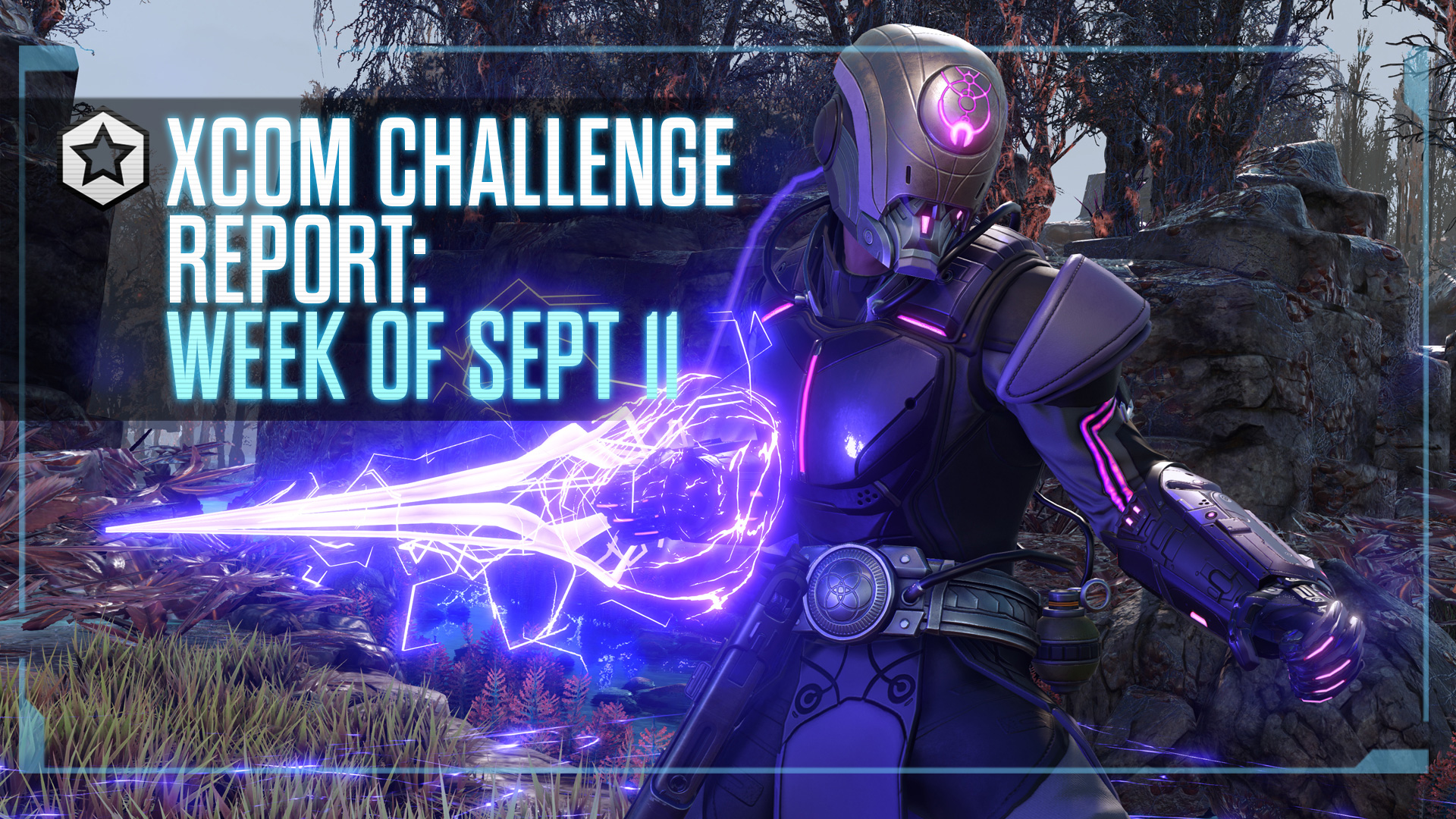
XCOM Challenge Report: Week of September 11
Welcome back, Commander.
In XCOM 2: War of The Chosen, new objectives and incoming Intel are being fed to us every day. All you need to do is open up Challenge Mode in the main game menu and accept latest scenario.
https://youtu.be/4YxIFTbKB3c
SUBSCRIBE to XCOM on YouTube ➜ http://2kgam.es/XCOMYT
To help ready the troops, we are declassifying the missions that will be available online next week. Just be aware that some objectives may change. After all, in war, no plan survives first contact.
WEEK OF SEPTEMBER 11
9/11
MISSION: Protect and secure the critical supplies from enemy forces
LOCATION: Wilderness
TEAM: Skirmishers and Gatekeeper
ENEMY FORCES: Anticipate multiple Archons, Purifiers and Andromedons protecting the supplies.
9/12
MISSION: Neutralize the alien strike force
LOCATION: Shanty
TEAM: Templars
ENEMY FORCES: Plan for resistance from Faceless, Sectoid, Vipers and ADVENT ground troops.
9/13
MISSION: Plant X4 charges on the Psionic Transmitter
LOCATION: Small Town
TEAM: All Purifiers
ENEMY FORCES: Our research found the area has been wiped out by a Chryssalid infestation. Move cautiously.
9/14
MISSION: Protect and secure the critical supplies from enemy forces
LOCATION: Wilderness
TEAM: Andromedon, Sectoid and Sectopod
ENEMY FORCES: Look for heavy resistance from ADVENT forces, Sectopods and Andromedons as well.
9/15
MISSION: Download Cryogenic Experiments from the exposed access point
LOCATION: Slums
TEAM: Templars and Reaper Squad
ENEMY FORCES: Be prepared for a combination of ADVENT troops, Archons and potentially Andromedons.
9/16
MISSION: Plant X4 charges on the Psionic Transmitter
LOCATION: Subway Tunnels
TEAM: Mutons and Vipers
ENEMY FORCES: Vipers, Mutons and ADVENT Stunlancers, Troopers and Officer units.
9/17
MISSION: Recover the ADVENT Logistics Report
LOCATION: Slums
TEAM: Grenadiers and Sectopod
ENEMY FORCES: Expect to go up against ADVENT ground forces as well as heavier units such as Sectopods.
Are you ready to deploy?
Tell us which sorties you’re looking forward to the most.