On the 28th of September 2023, starting from 8:00 CEST, the server will not be available for 4 hours due to a planned server maintenance.
Please note that the maintenance can be extended beyond the abovementioned timeframe. We apologize for the inconvenience.
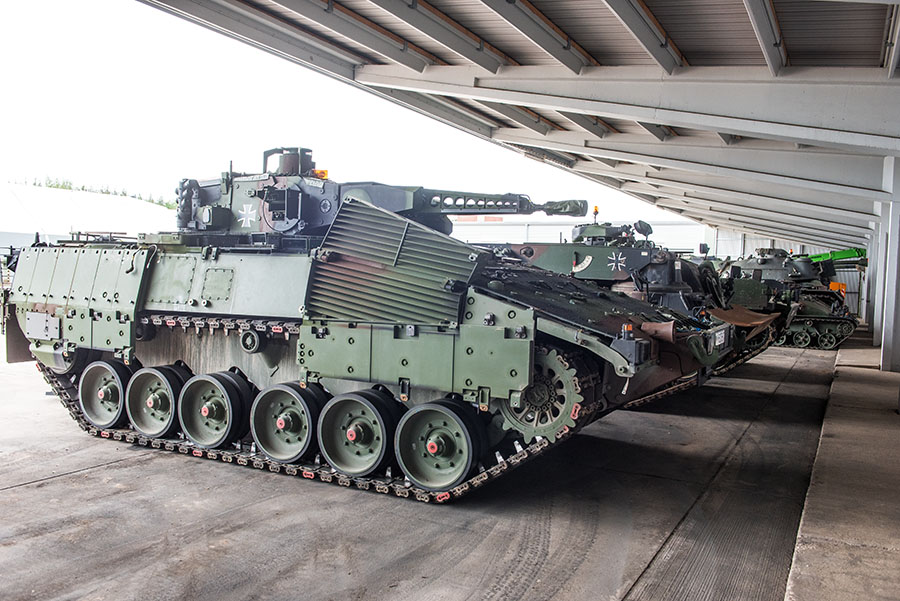
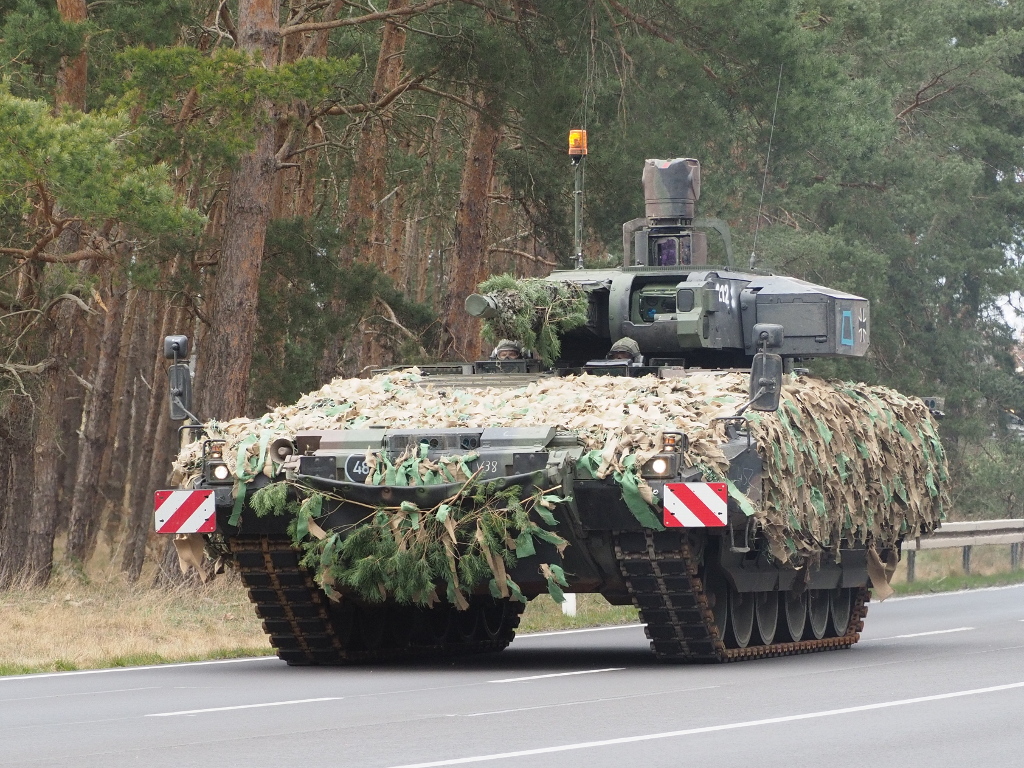
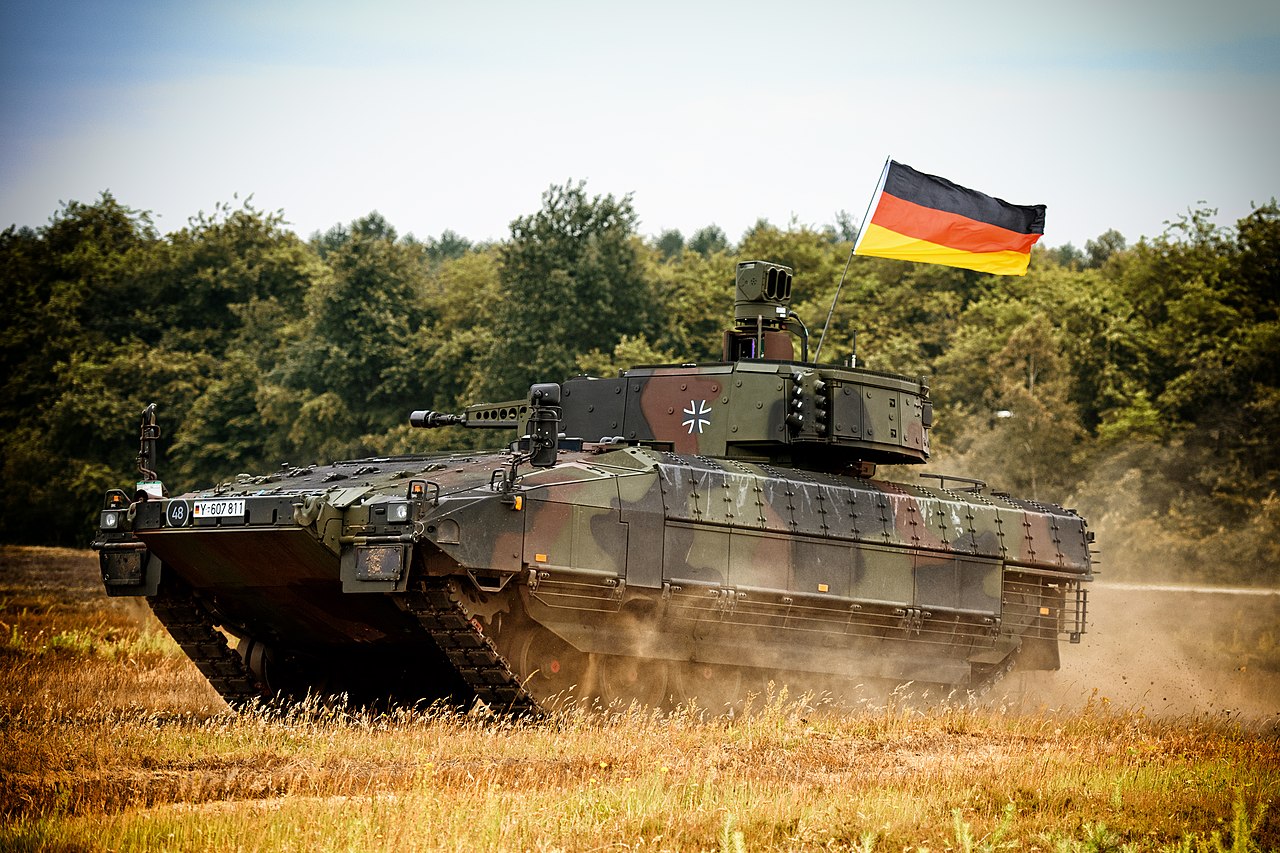
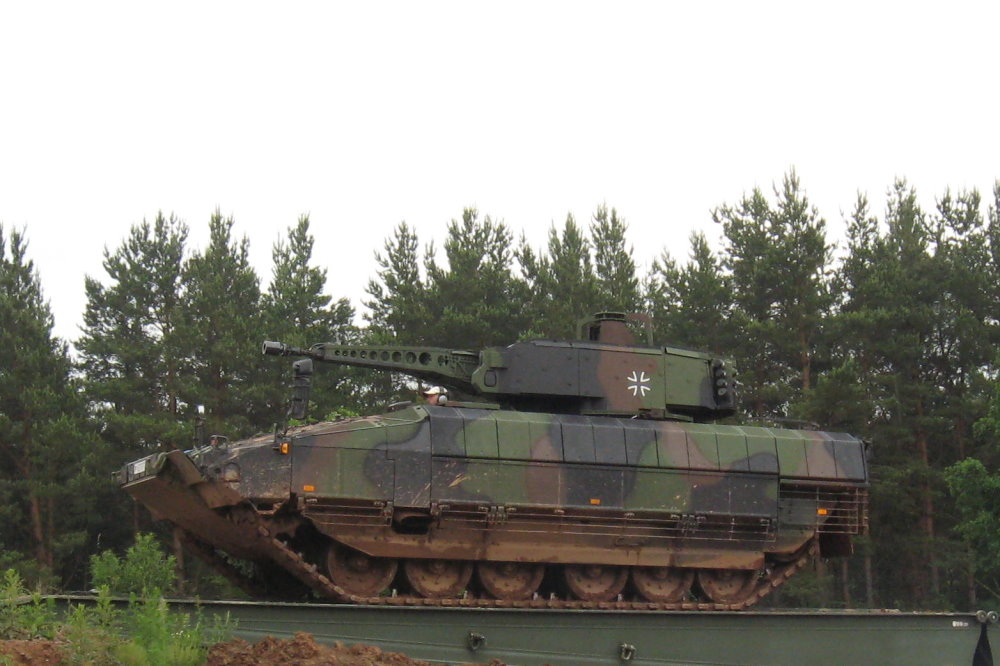
Historical Skins – Gepard 1A2 Bundeswehr
Commanders!
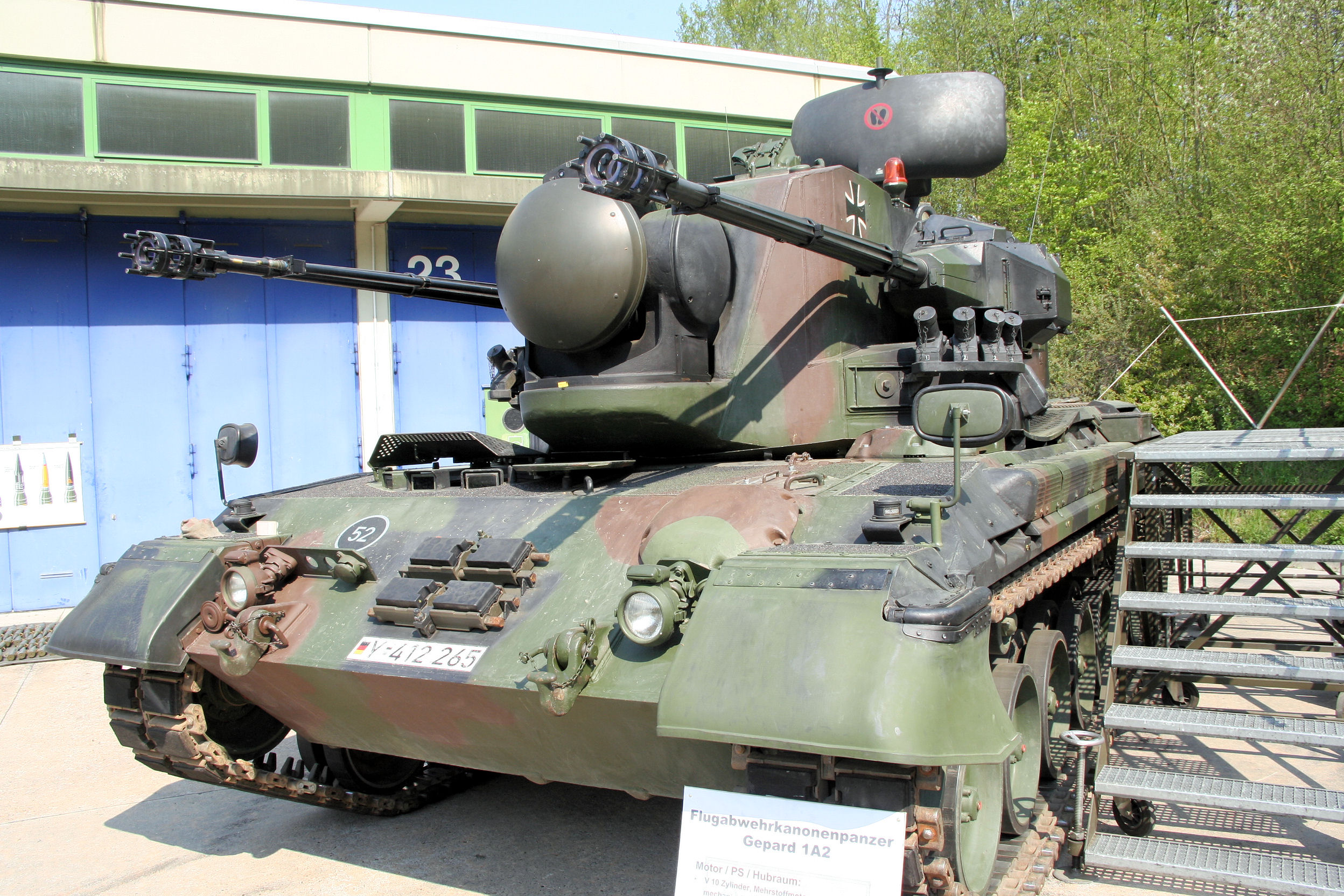
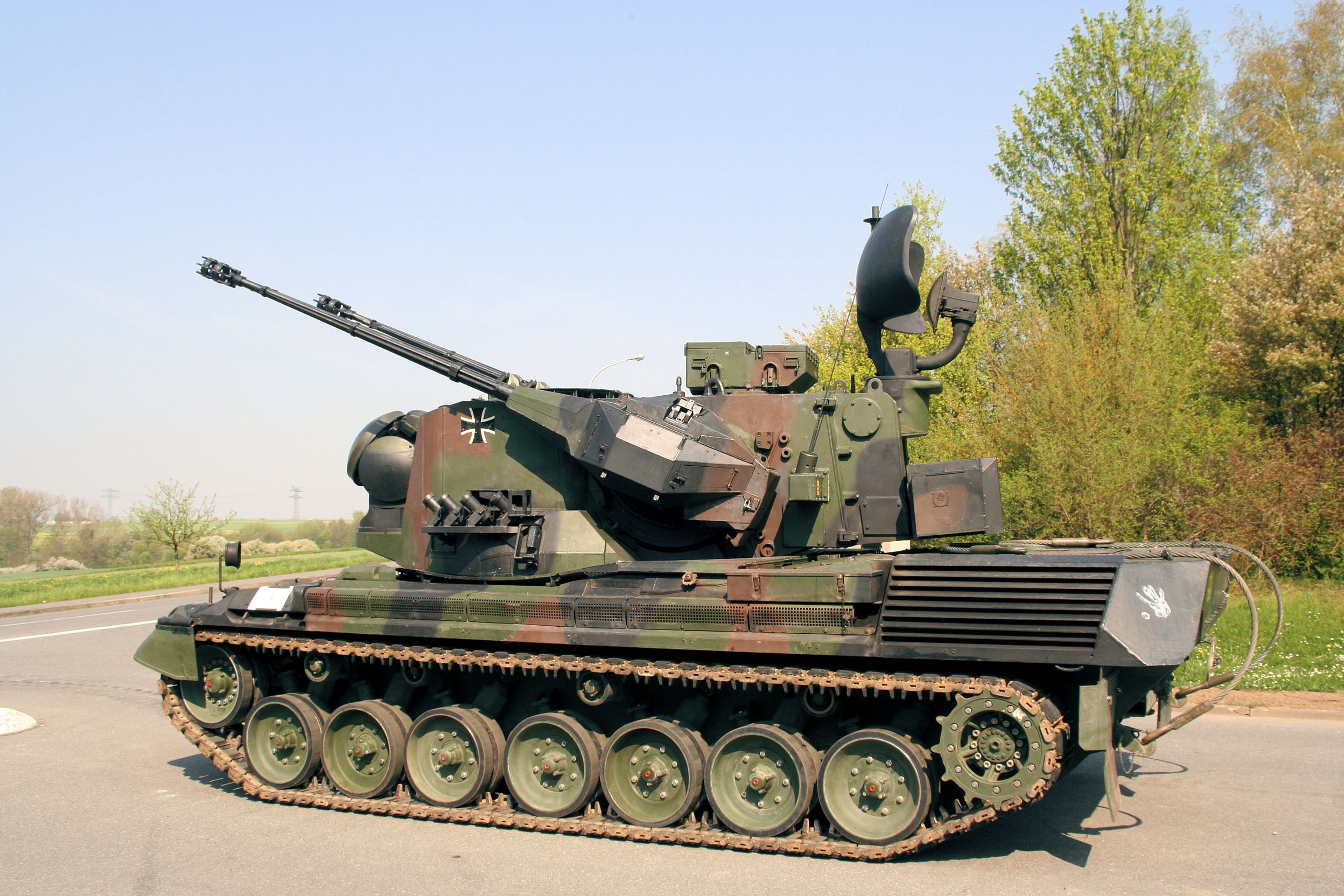
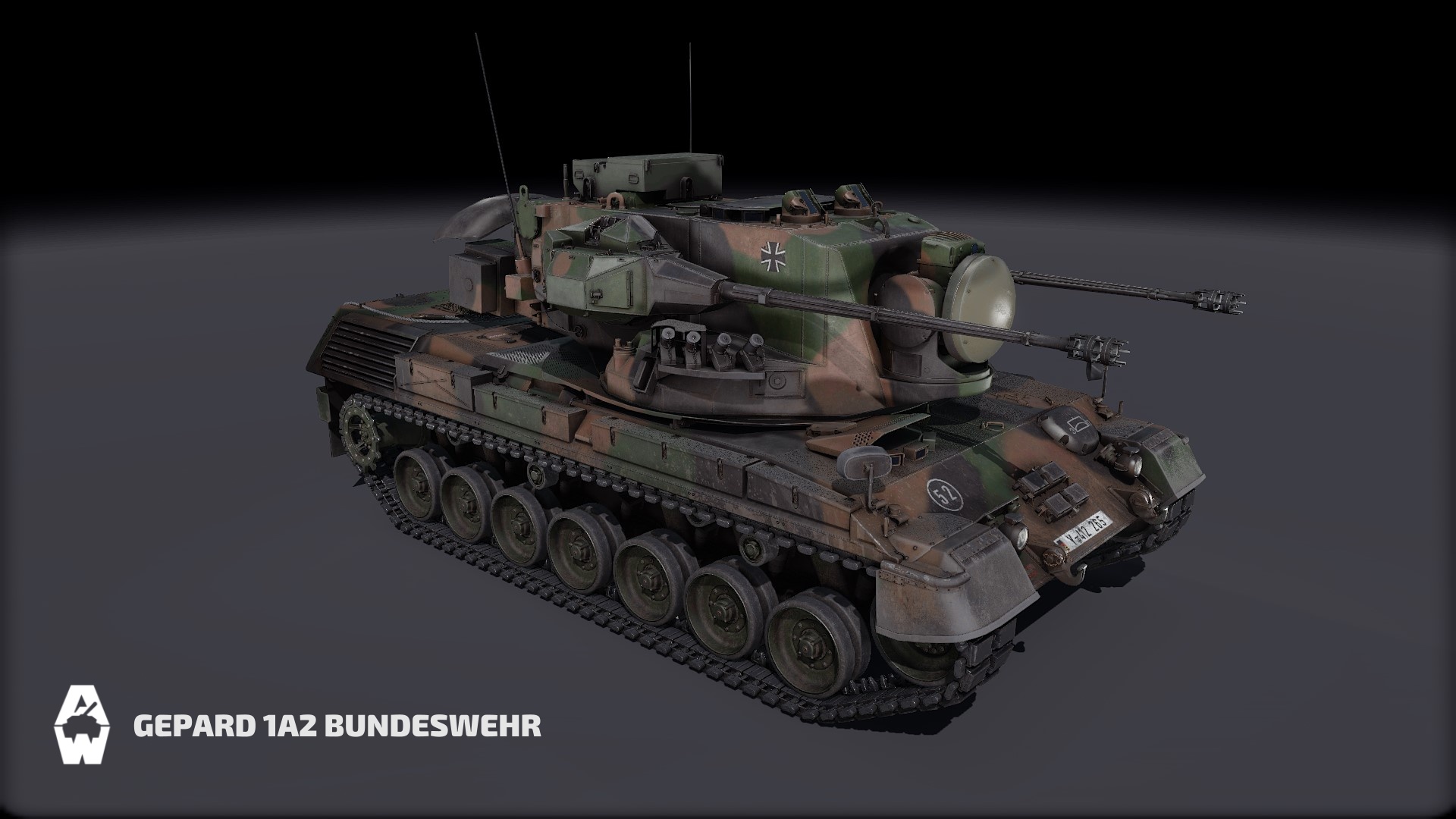
The German Unity Day celebrations are coming up and, as usual, we’ve prepared a couple of German-themed assets for you, chief amongst them being the Gepard 1A2 Bundeswehr skin for the Gepard Battle Path vehicle.
As the name suggests, the skin will paint your Gepards in classic German camouflage and insignias, including the Bundeswehr cross and the unit tactical emblem belonging to Flugabwehrregiment 12 (12th Air Defense Regiment). This unit existed between October 1979 and 2011 and was stationed at Hardheim in central Germany (Baden-Württemberg). After the German unification was complete, the unit served as a training unit for former NVA (East German military) soldiers who wished to serve in the Bundeswehr. The unit received its first Gepard 1A2 in 1998.
Needless to say, the unit never fired a shot in anger and was disbanded in 2011 for its troops to be incorporated into Sicherungsbataillon 12 (Security Battalion, a unit tasked with protecting divisional HQ). The 12th Security Battalion was disbanded only four years later, in 2015. As for the unit’s original location in Hardheim, the barracks was closed in 2011 and was used as a factory and a refugee center. It was reactivated in 2017 and in 2019 it became a home for a newly founded tank unit, Panzerbataillon 363.
This particular Gepard then ended as a monument and was restored to its current appearance around 2010 by a group of 12th Air Defense Regiment veterans.
There’s one more thing that’s interesting about this Gepard skin – using it unlocks the Battle Path progression modules right away. These include:
Thermal Imager
Flash Suppressor
35mm PELE Ammunition
In other words, you won’t have to unlock these using the Workshop Battle Path mechanic.
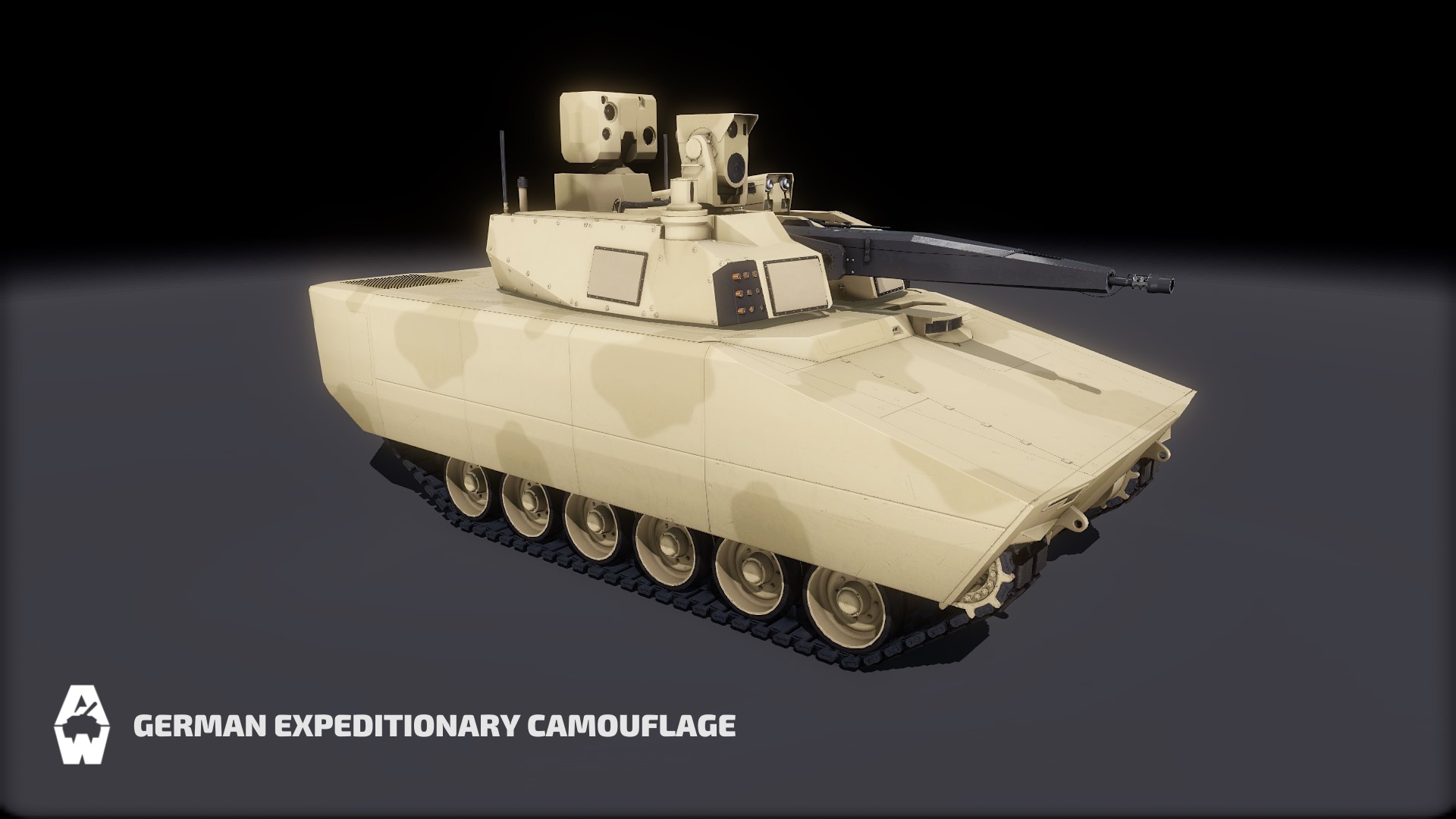
But that’s still not all. We’ll also have a German Expeditionary camouflage for you (used by the German contingent in Afghanistan) as well some decals, including:
NATO Response Force Emblem
Gebirgsjägerbrigade 23 Emblem
Rapid Forces Division Emblem
We hope that you’ll enjoy this content, and, as always:
See you on the battlefield!
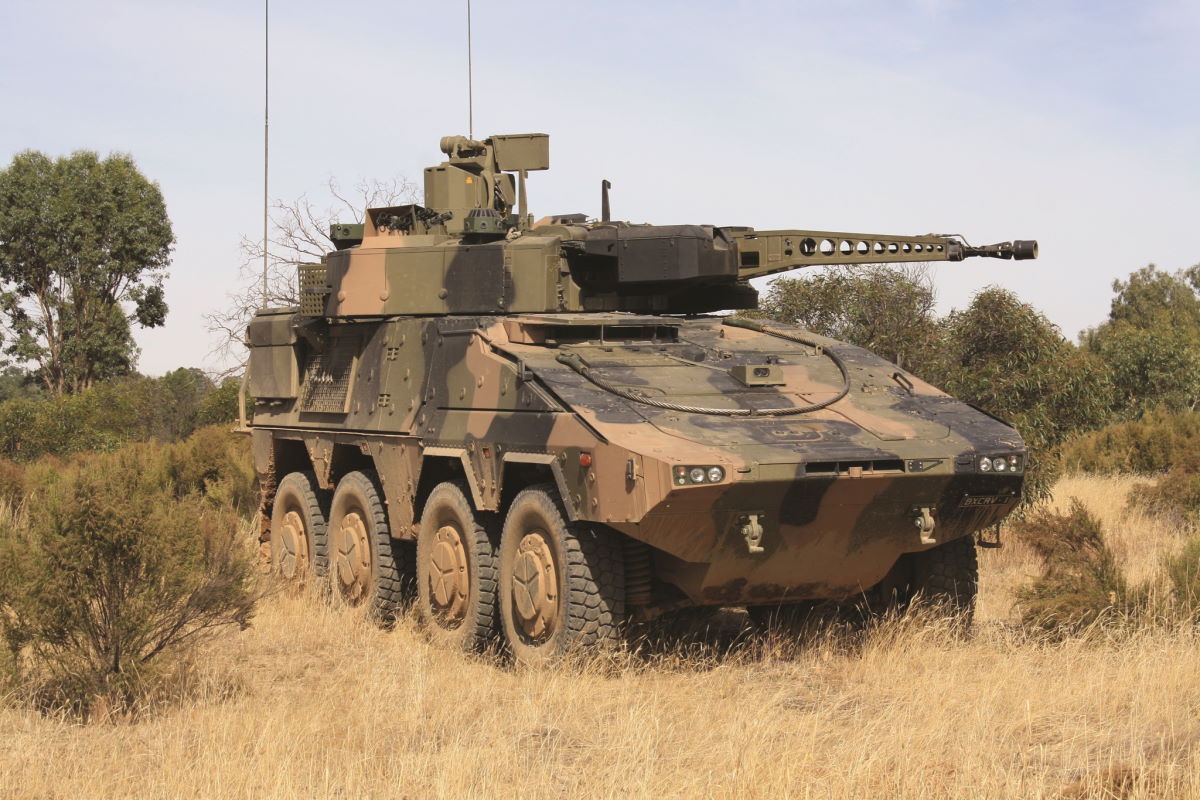
In Development: Boxer CRV
Commanders!
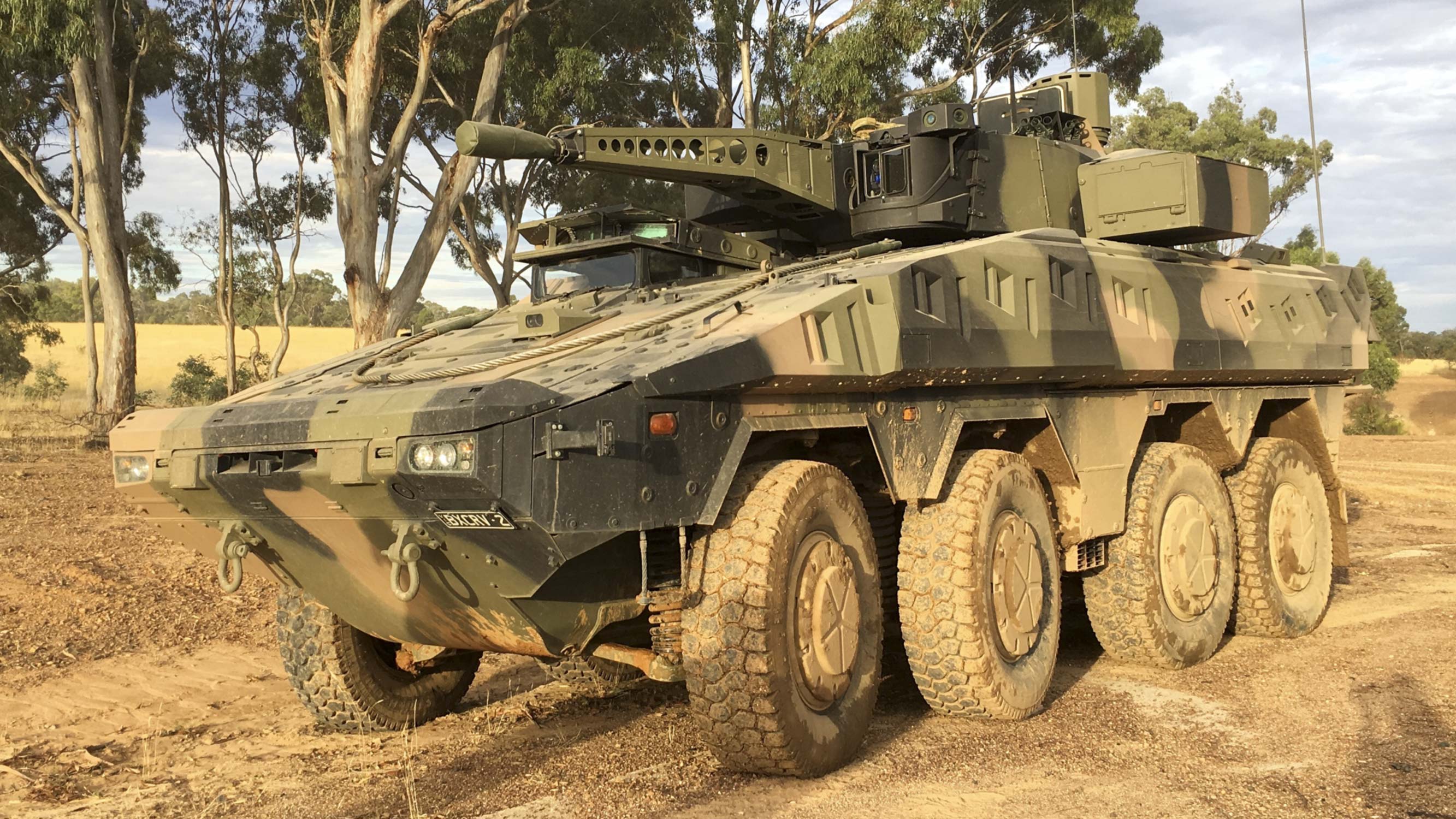
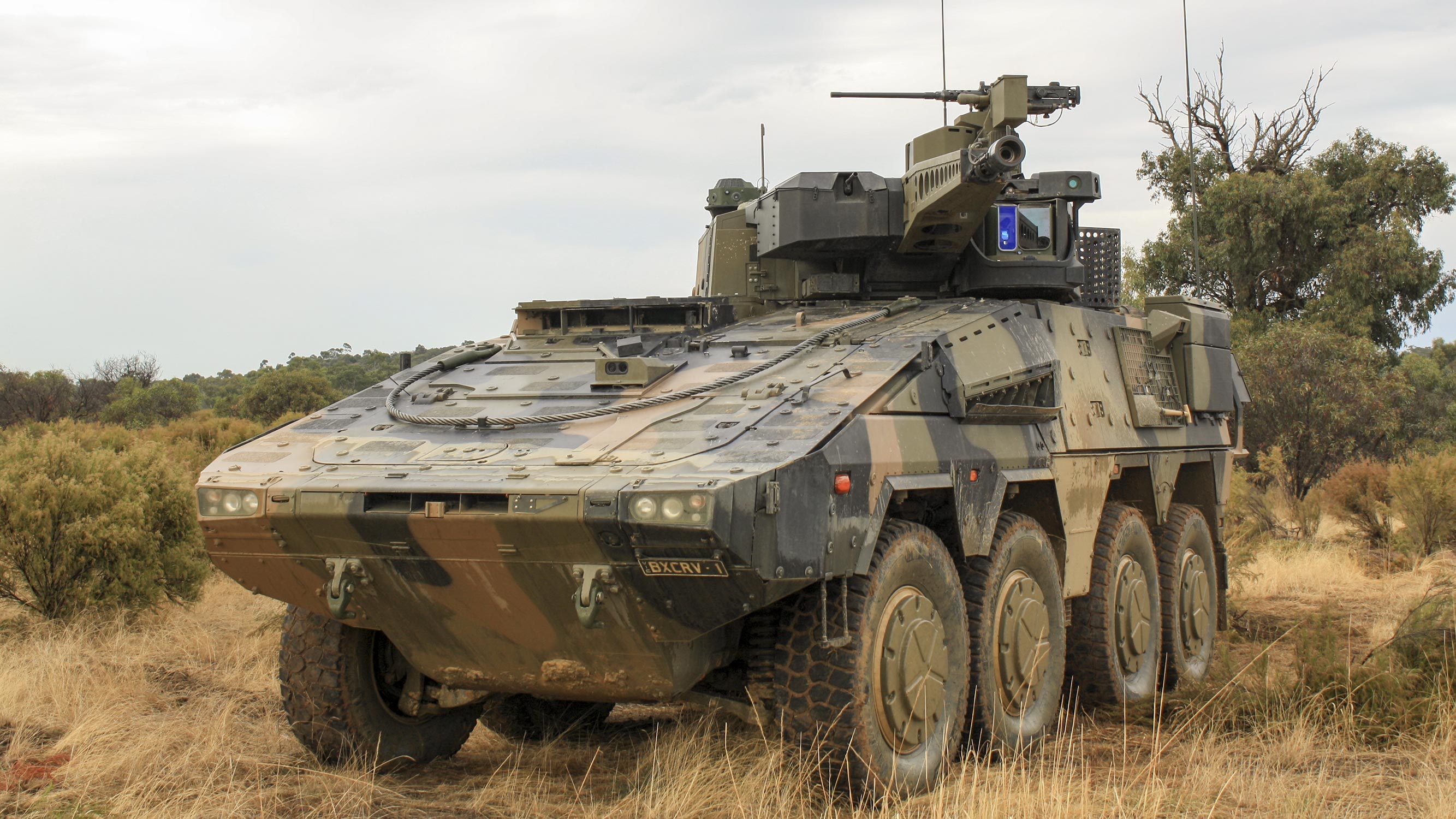
Last week we introduced the Puma, a German Tier 10 Premium coming in the next Battle Path. We also mentioned the Puma would be the middle prize (available for reaching Level 31 of 50 for that matter). And today, we’d like to tell you about the vehicle that’ll be available as the Battle Path’s first prize (for reaching Level 20) – the Boxer CRV Tier 9 Premium Armored Fighting Vehicle.
The Boxer platform has an interesting history reaching all the way back into the early 1990s when France, Germany and the United Kingdom decided to launch a joint wheeled modular platform project. Back then, modularity was a cutting-edge concept and despite the lack of funding for military projects and all the end of the Cold War budget cuts, they all thought they had something in there.
The beginning looked like it would end up as usual. The project was launched in 1993 by France and Germany (Great Britain joined in 1996) but by 1999 France already broke off and did its own thing (which would end up with the VBCI). This is usually the point where the Germans and the British get into additional arguments, scrap the project after multiple billions spent and buy American.
But it wasn’t like that in this case because there was really something to be had. For one, the project was managed competently by the Germans, specifically a company called ARTEC. There was an EU supervision panel but ARTEC was apparently in charge. Being controlled by both KMW and Rheinmetall comes with a lot of perks, including a huge lobbying pull.
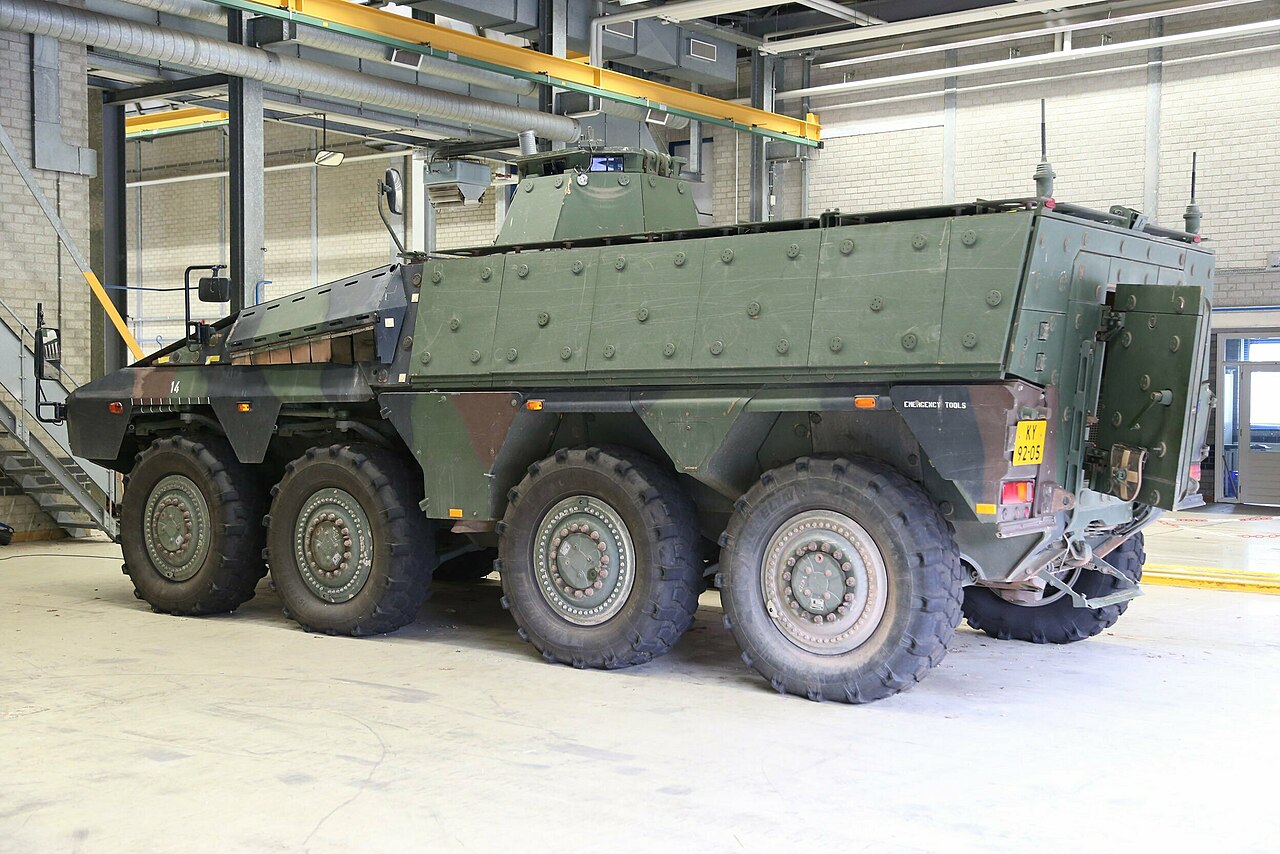
The Netherlands joined the project in 2001 and a year later, the first two demonstrators were ready. By that time, the project had many names, different for each country:
GTK for Germany (Gepanzertes Transport-Kraftfahrzeug)
PSW for the Netherlands (Pantserwielvoertuig)
MRAV for the UK (Multi-Role Armoured Vehicle)
The name Boxer appeared around 2002. Where exactly it came from is not quite clear but it was adopted and is currently used pretty much universally. The original idea was to order 200 vehicles for each of the participating countries. The United Kingdom, however, withdrew from the program in 2003 (it would rejoin the program 15 years later, but we’ll get to that). The Netherlands ordered 200 vehicles in 2006 to replace the old M113 variants such as the YPR-765 while Germany ordered 272 vehicles in 2006 to replace the old M113s and Fuchs AFVs (not the Marder). The initial production was scheduled to launch in 2004 but it was delayed until 2009 (the five years in-between were used for additional rigorous testing).
As technology goes, the Boxer is pretty much cutting edge even today, three decades after the project launch. The platform consists of two parts:
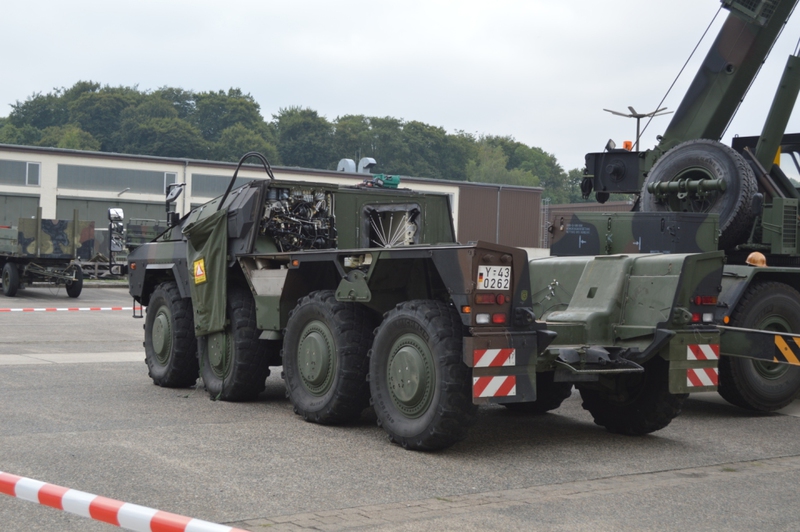
Drive module (universal for all configurations)
Mission module (different for each configuration)
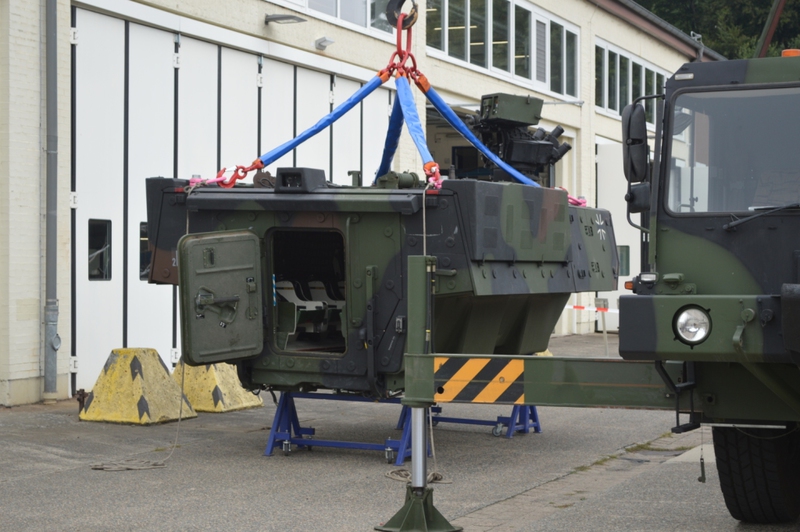
The Mission module can be replaced very quickly using a crane. Whether this is actually a useful feature is another matter but it potentially allows the users to receive specialized variants (if needed) very quickly or to upgrade APCs to IFVs on short notice (providing the appropriate modules are available).
Both modules offer roughly the same protection (plus the option to mount extra composite armor on the basic steel hull). The baseline armor is said to be STANAG 4569 Level 4 all around, which means that the vehicle can withstand 14.5mm heavy machinegun bullets from any angle. The additional armor kit (AMAP-B) brings its frontal resistance up to Level 6, making the vehicle frontally resistant to 30mm autocannon rounds. Additional defensive measures include various systems that we’ll get to later.
The IFV version weighs some 38 tons, has a crew of 3 and is armed with a turret somewhat similar (but not identical to) the Puma IFV, featuring 30mm autocannon and a missile launcher. It is powered by a 15.9 liter MTU 8V 199 TE21 8-cylinder diesel producing some 816hp, allowing the vehicle to go as fast as 103 km/h (typical off-road speed being 40-45 km/h).
There are several sub-types of the platform, from the oldest A0 to the newest A3. They basically represent separate production runs and have only relatively minor differences, including additional protection. Most of the Boxers built are of the A1 and A2 variants. All in all, the Boxer is a very solid platform and it has seen a lot of market success (especially compared to the Puma).
Three facilities producing the Boxed had been established – two in Germany and one in the Netherlands. In total, more than 1600 vehicles have been built so far or are planned to be built, including:
531 for Germany
200 for the Netherlands
600 or more for the United Kingdom
211 for Australia
91 for Lithuania
The contracts are ongoing but it is the Australian contract that’s most interesting because our Boxer is based on the Australian version.
The Australian Boxer won the contract for the LAND 400 Phase 2 program that sought to replace the aging ASLAV vehicles (MOWAG Piranha III variant for Australia) that have been in service since the early 1990s. The LAND 400 program has been in work since the mid-2000s – the initial Request for Information was issued in 2006 with another, more detailed one following in 2009. The program included several phases:
Phase 1 was the initial 2006-2009 market evaluation
Phase 2 was the acquisition of ASLAV replacement
Phase 3 was the new IFV program (recently won by the Korean AS21 Redback)
Phase 2 was launched in the December of 2015. By the summer of 2016, two most likely to succeed candidates were selected – Rheinmetall with its Boxer and BAE with its Patria AMV version called AMV 35. Further evaluations took place between 2017 and 2018. The winner – Rheinmetall – was announced in the March of 2018. Simultaneously, the contract was reduced from the original 225 to 211 vehicles and signed in August of the same year (for 211 vehicles and 12 spare combat modules). The first 25 vehicles would be made in Germany, the rest in Australia. The contract would comprise of:
133 CRV vehicles (fire support and recon Boxers)
13 multi-purpose vehicles
15 command vehicles
29 JFS vehicles (basically lightly armed scouts)
10 recovery vehicles
11 repair vehicles
The vehicles are to be built until 2026 (the first ones were delivered in 2019).
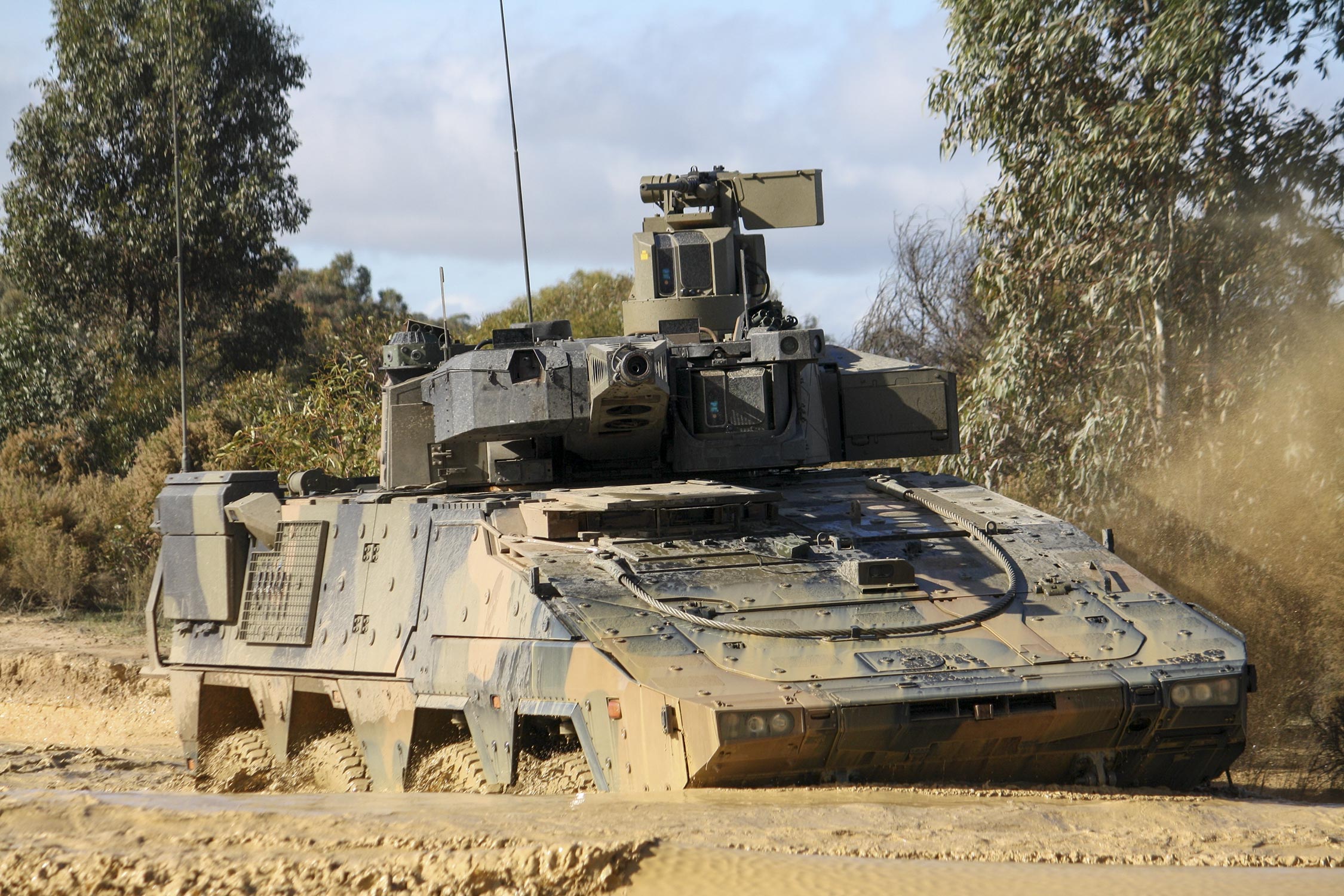
The CRV variant is intended for recon missions and combat, which is why it is armed to the teeth with the Rheinmetall Lance turret armed with 30mm Mk.30/2 autocannon and a Spike ATGM launcher (in later versions). The initial version from 2016 did not feature additional protection (just the composite armor option) or the missile launcher.
The gun can depress to -10 degrees and elevate to +45 degrees and can fire 200 rounds per minute (including programmable ones) although the rate of fire is variable and can reach up to 600 rounds per minute. The turret also features the C4ISR Battlefield Management System by Northrop Grumman. Additional, optional defensive measures of the CRV include the ROSY Soft-Kill APS and the StrikeShield hard-kill APS.
In Armored Warfare, the Boxer will be a Tier 9 Premium Armored Fighting Vehicle.
As was mentioned above, it’ll be a reward for reaching Level 20 of the Exile Battle Path. Concept-wise, it’s similar to Puma – a solid infantry carrier and fire support vehicle with some interesting features and good protection.
What makes it Tier 9 and not Tier 10 is the fact that the Puma is a bit more high-tech than the Boxer, is more protected and is a heavier, tracked vehicle overall. The Boxer, on the other hand, will offer more burst firepower than the Puma, which will make it more suitable for PvP.
But first things first. Let’s start with the armor. Aside from the usual frontal protection from autocannon shells, the Boxer CRV will feature two additional systems:
ROSY soft-kill APS
StrikeShield protection system
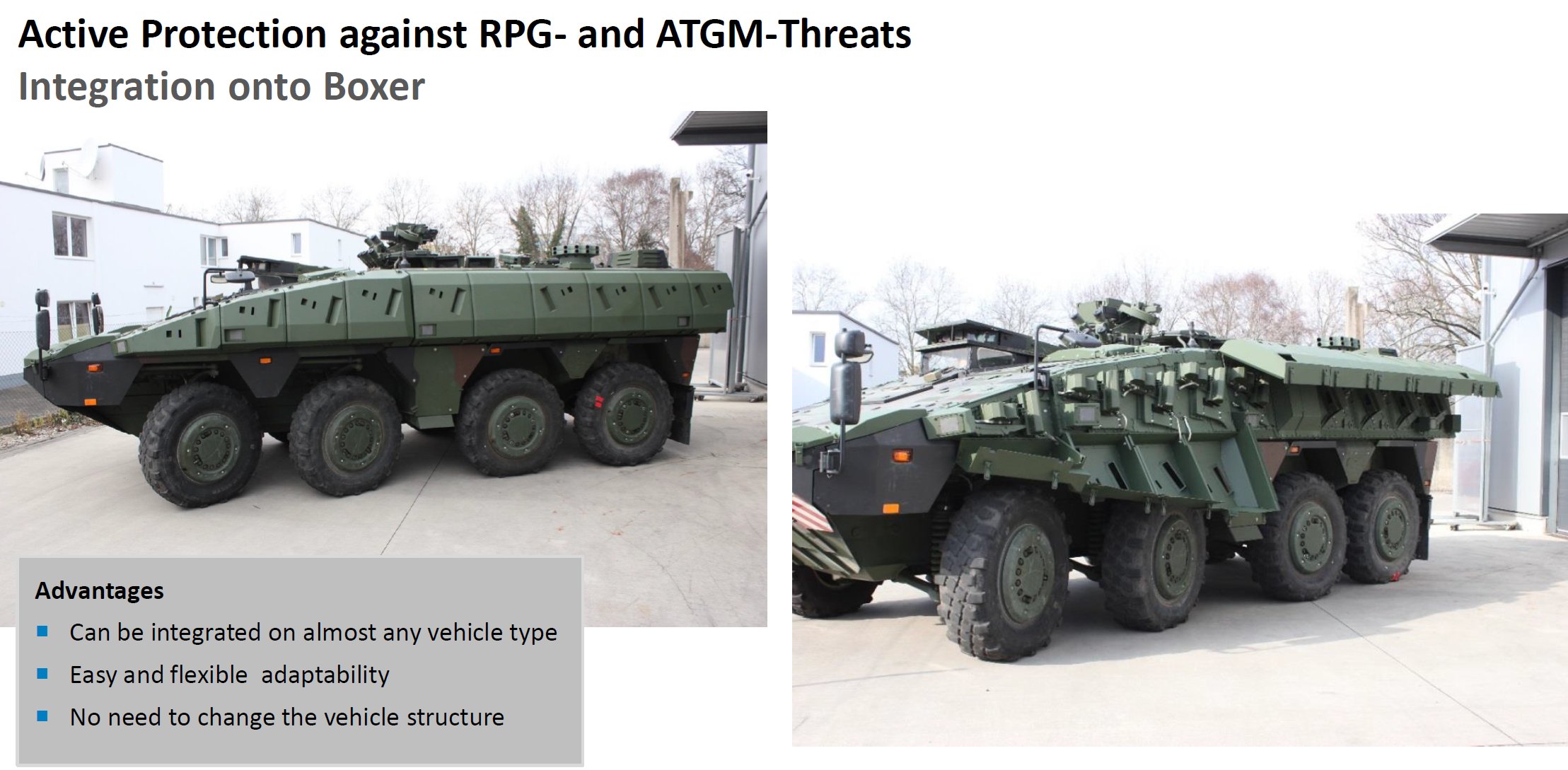
We intentionally are not saying anything about StrikeShield APS because it’s not really an APS in the game. From the game perspective, StrikeShield is more similar to ERA than anything else. The reason for that is that unlike typical hard-kill APS (like the Trophy) that consists of a series of sensors and a rotating launcher that lobs some projectile at an incoming missile, the StrikeShield (like its AMAP ADS predecessor – it’s basically the same system) consists of static segments, each with its own sensor set. In addition, these act as additional armor as each comes with a steel plate. The outer layer can withstand 7.62mm AP bullets while the inner layer (behind the sensor suite and charges) can withstand 14.5mm bullets on its own.
When designing this system in Armored Warfare, we had to look at some aspects of how the APS in the game works. On one hand, we have some similar static systems in the game. On the other hand, they don’t work really well and are implemented unrealistically. The two solutions that come immediately to mind are:
A single comprehensive system that detonates each module depending on the direction the incoming projectile is arriving from
Or each element should be its own separate APS working in a narrow angle
The first solution is incredibly hard to implement as it would require a total APS overhaul. For such a unique system that cannot be used anywhere else (at least for the time being), this is a massive resource sink that would delay other things. Not worth it.
The second solution is more interesting and logical but it has two major issues. First is some unintended behavior. The modules are placed so that if you fire at the front of the vehicle, the frontal module “catches” the missile and explodes. But if you fire alongside it, you make the side modules explode. It’s hard to describe but it looks incredibly uncanny. The second – and perhaps more important – issue is that for this to work, you have to have a separate APS module for each segment and it breaks the UI really badly. Again, no good solution to this issue.
In the end, we decided to implement the StrikeShield combat modules as ERA with multiple charges (in addition to the extra armor they provide). We’re still working on the mechanic so we don’t have more to share right now – but the side armor of the vehicle will be durable and the Boxer will also feature effective soft-kill APS.
Next, the firepower. Once again, we’ll have a combination of 30mm autocannon and a Spike launcher with two launch tubes. The autocannon is similar to the one used by Lynx Skyranger and will also use similar ammunition (APFSDS and PELE). The autocannon will have a limited magazine and the overheat mechanic as well as a rather high rate of fire. In addition, the missile launcher (tandem HEAT missiles, the usual) will have the option to launch two missiles at once (it’ll have to be unlocked via Battle Path progression).
When it comes to mobility, the vehicle will be fairly slow and sluggish. On the bright side, it’ll make it easier to control. The Boxer will also carry Mechanized Infantry – quite possibly larger squads than usual (6 AT troops, 3 mortar crews or 2 snipers).
And that’s pretty much it. The Boxer will be more a wheeled tank than a scout, with a lot of firepower to boot. We hope you’ll enjoy it and are looking forward to telling you more about the final vehicle of the Battle Path.
See you on the battlefield!
Offer: Middle East
Commanders!
Today we’ve prepared the following items for you:
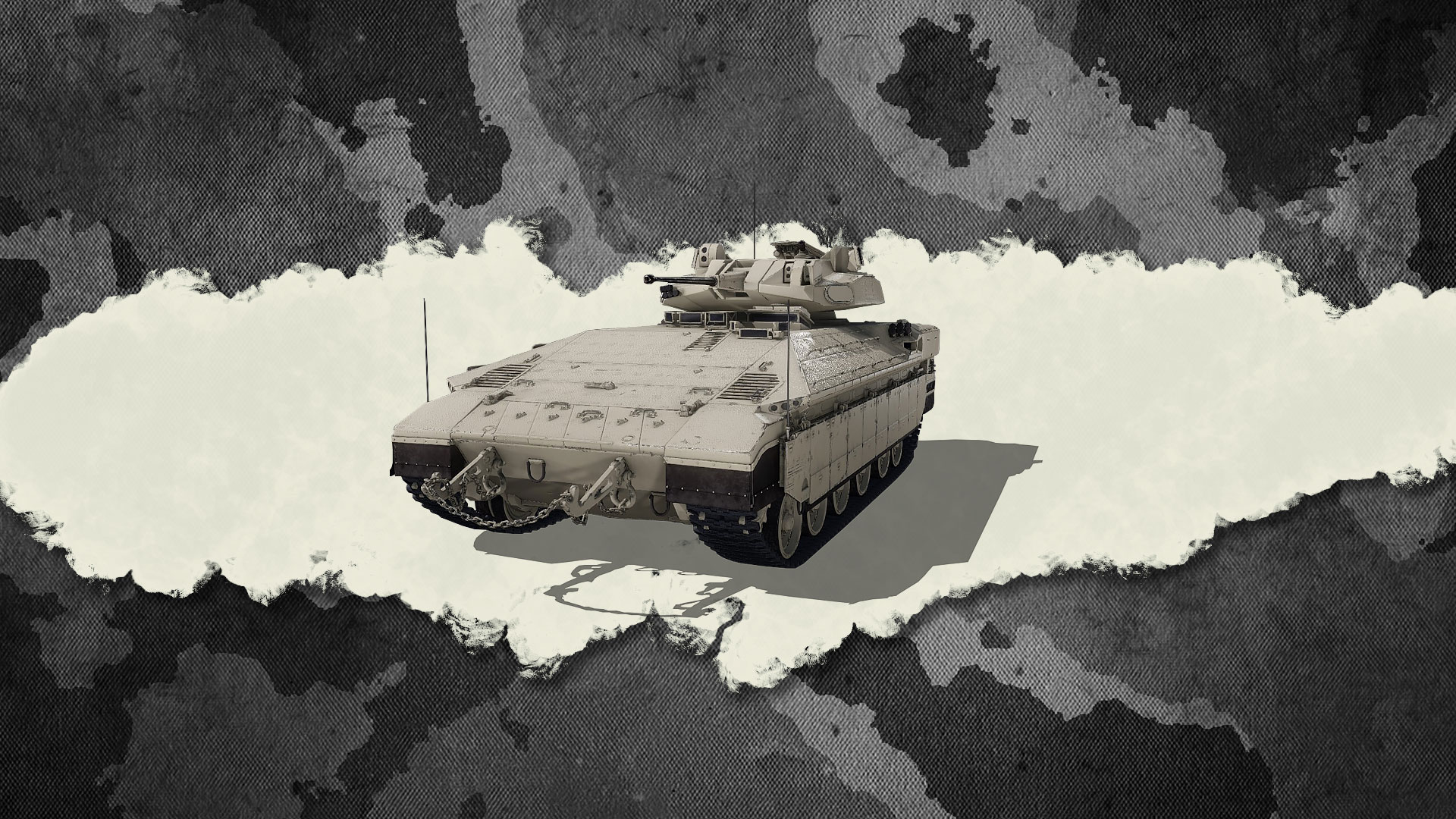
Namer Tier 10 Premium Tank Destroyer
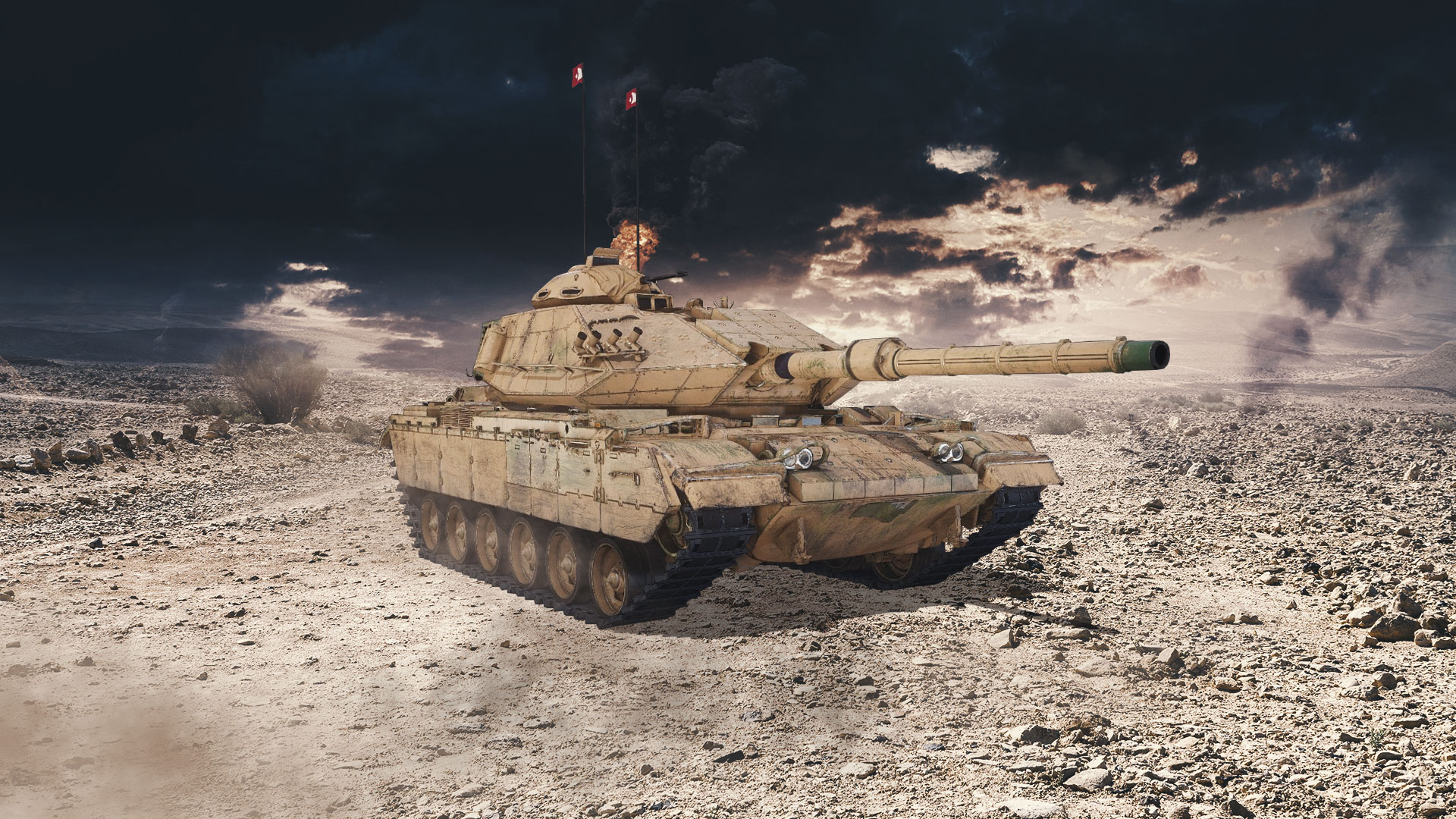
M60T skin for the Sabra Mk.2 Main Battle Tank
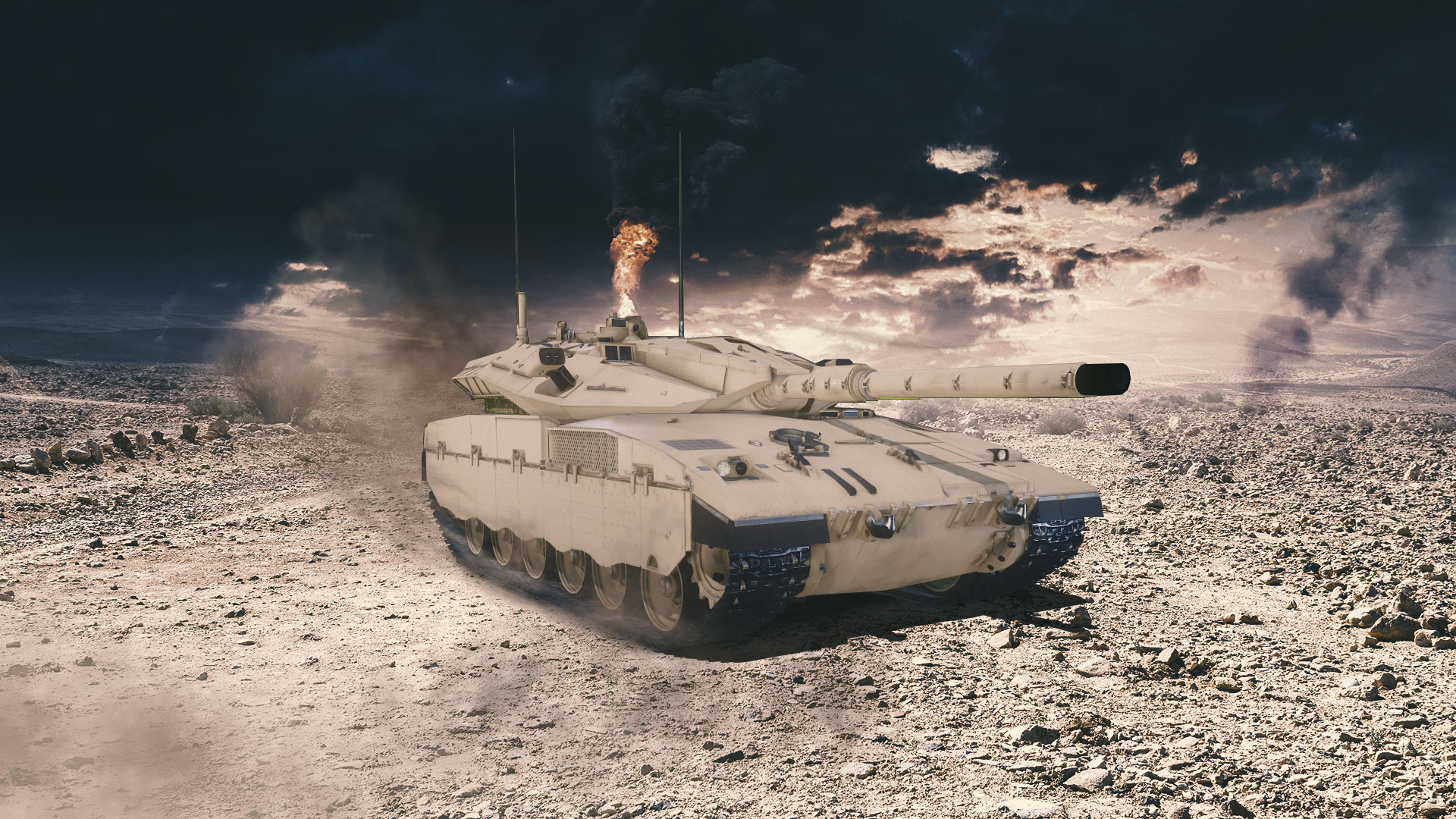
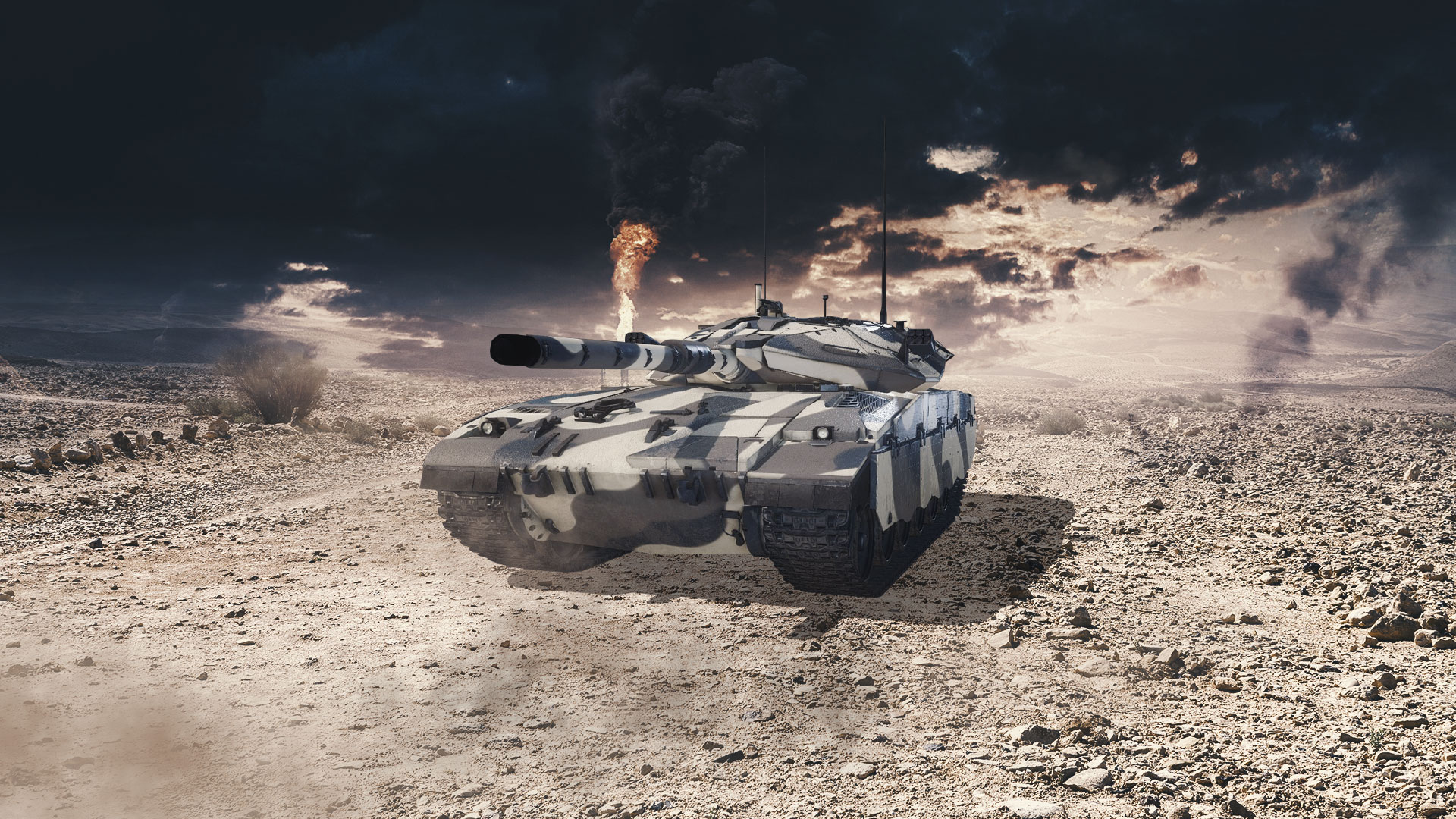
Merkava Mk.2D and Israeli bundle (with an Israeli camouflage and base paint)
Syrian camouflage bundle
Magach 7A Tier 6 Premium Main Battle Tank
Sabre Tier 6 Premium Armored Fighting Vehicle
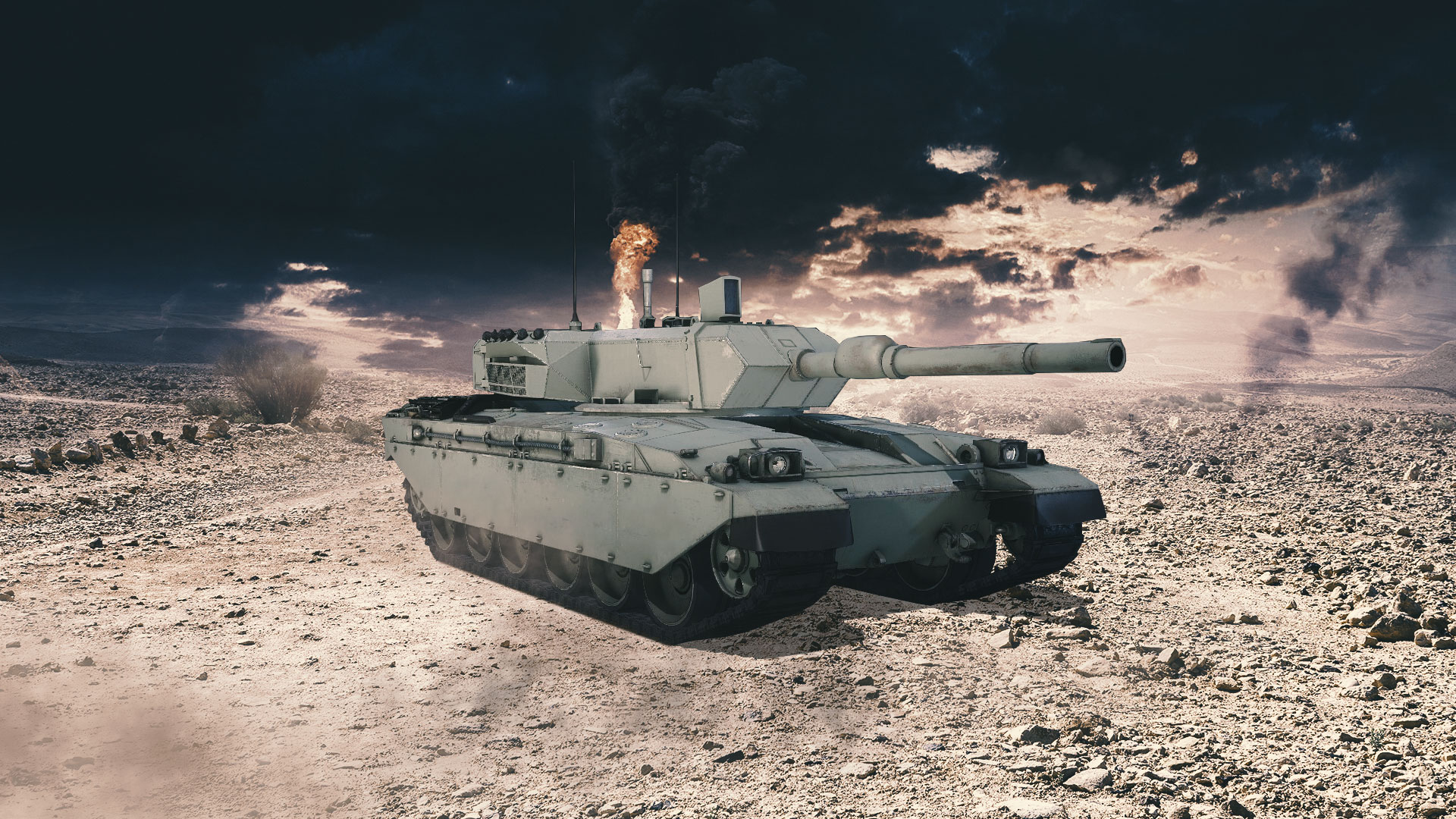
Challenger 1 Falcon Tier 8 Premium Main Battle Tank
Eclipse Loot Crate
Between September 21 and 28, 2023, the following items will be available:
Namer
The Namer IFV is an Israeli heavy fighting vehicle version of the Namer platform developed in the early 2000s from the Merkava Main Battle Tank. Israel is a small country and cannot affect high infantry losses, which is why the Namer features extremely high levels of protection. The IFV variant is fitted with a Rafael turret, featuring 30mm autocannon and a Spike missile launcher. You can read more about it in our dedicated article.
In Armored Warfare, the Namer is a Tier 10 Premium Tank Destroyer. As its history suggests, it is a superheavy TD with its protection levels being amongst the highest of its class. It is slow and ponderous but its thick front can deflect even advanced shells while maintaining adequate firepower thanks to its autocannon and ATGM combination. Its MBT-like characteristics make this vehicle quite forgiving for new players, but, as they say, a jack-of-all-trades is a master of none.
The Namer Tier 10 Premium TD is available in our Web Shop via Loot Crates. Collect 100 blueprint pieces from these crates to obtain the vehicle.
M60T skin for Sabra
This skin for the Sabra Mk.2 Tier 7 Premium Main Battle Tank is based on the Sabra MBTs that participated in the Turkish incursion into Syria in October 2019 (Operation Peace Spring). It combines a number of real-life elements, turning your Sabra into a Turkish service MBT. You can read more about it in our dedicated article.
The skin is available either as a standalone item or as a part of the M60T bundle, which contains the following items:
M60T skin for the Sabra Mk.2 MBT
Sabra Mk.2 Tier 7 Premium MBT
500 Gold
That way, you can get this amazing vehicle together with the skin. Alternatively, the Sabra is also available in other bundles without the skin.
Clicking the link below will open the game’s launcher. Please select the Market option on the left and select Armored Warfare to access this offer.
Merkava Mk.2D and Israeli Bundle
The Merkava IID (also known as Mk.2D) is an advanced version of the standard Mk.2 Merkava, upgraded with a modular “Dor-Dalet” composite armor kit. It’s a tough and unyielding vehicle, featuring a number of battle-proven components such as its 105mm rifled cannon. The first version of the Merkava Mk.2 entered service in 1983 and the last vehicles were phased out in 2016 after thirty long years.
In Armored Warfare, the Merkava IID is a Tier 7 Premium Main Battle Tank. It is not equipped with an explosive reactive armor kit, but is, nevertheless, a very tough customer due to the introduction of the applique armor, allowing it to take a lot of damage. Additionally, the tank is equipped with a Ready Rack mechanism, significantly increasing the rate of fire for the first four shots.
This vehicle is also available as a part of the Israeli bundle, which contains the following items:
Merkava Mk.2D Tier 7 Premium MBT
Sinai Grey base paint
Israeli Experimental camouflage
Israeli Flag decal (free bonus)
Israeli Flag banner (free bonus)
The Sinai Grey base paint is based on the color commonly used by the Israeli vehicles. You can now apply it to all your Merkava MBTs for maximum realism. The camouflage, on the other hand, is an experimental one and not used in active service. It was developed in the 1980s for a series of trials, but Israel ultimately decided not to adopt it. Still, it’s a piece of history and will fit your Merkava Mk.2 MBT really well. You can read more about both in our dedicated article.
Clicking the link below will open the game’s launcher. Please select the Market option on the left and select Armored Warfare to access this offer.
Syrian Bundle
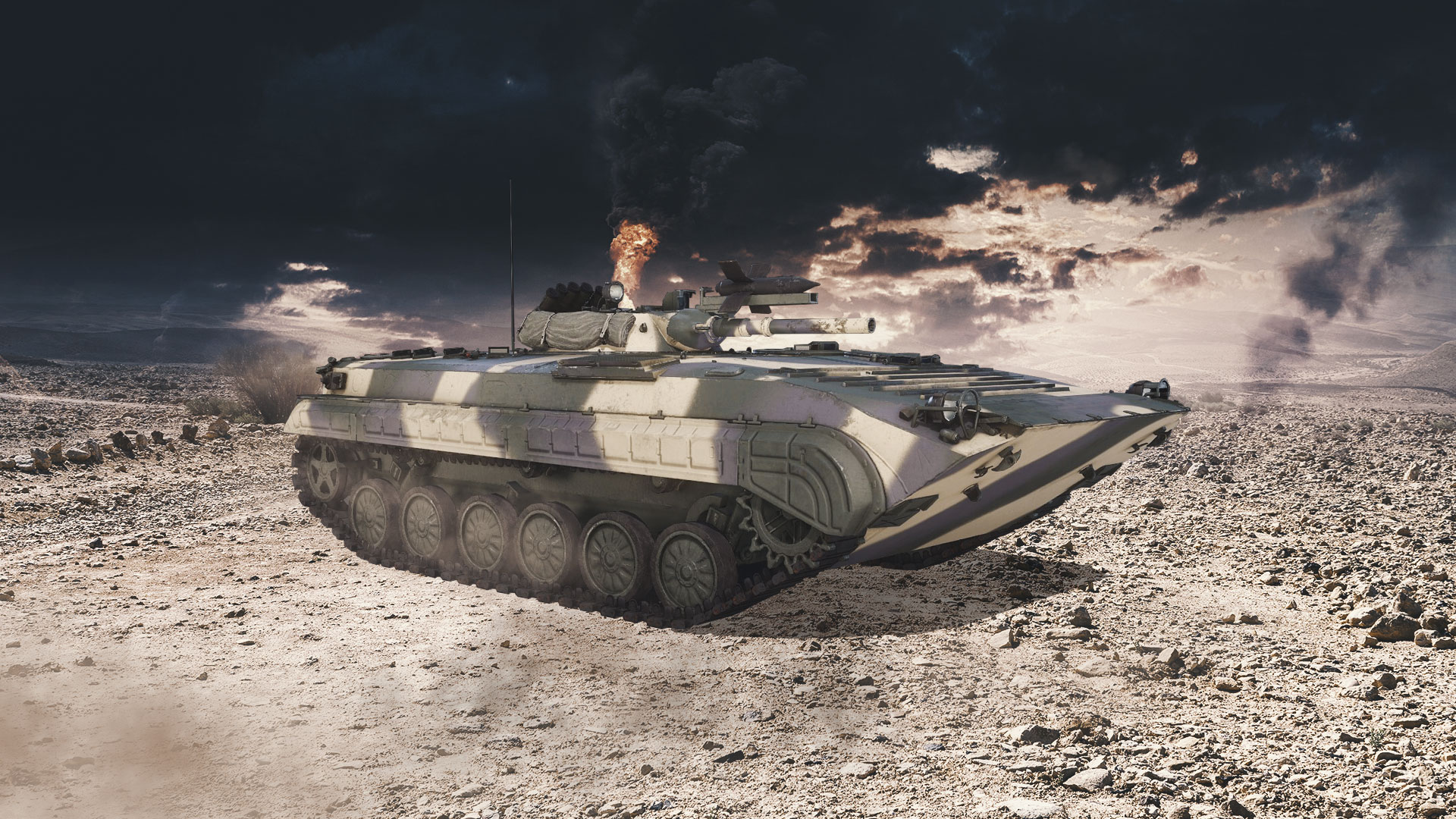
This gorgeous Syrian camouflage was seen in the aftermath of the 1973 Yom Kippur War on a captured Syrian BMP-1 IFV and consists of sand, green and grey stripes. You can read more about it in our dedicated article.
It is available as a part of the Syrian Camouflage bundle, which contains the following items:
Syrian camouflage
14 days of Premium Time
2.000 Gold
Syrian Flag decal (free bonus)
Syrian Flag banner (free bonus)
This camouflage can be installed on any vehicle that has the camouflage customization feature available and can be used in all three environments.
Clicking the link below will open the game’s launcher. Please select the Market option on the left and select Armored Warfare to access this offer.
Magach 7A
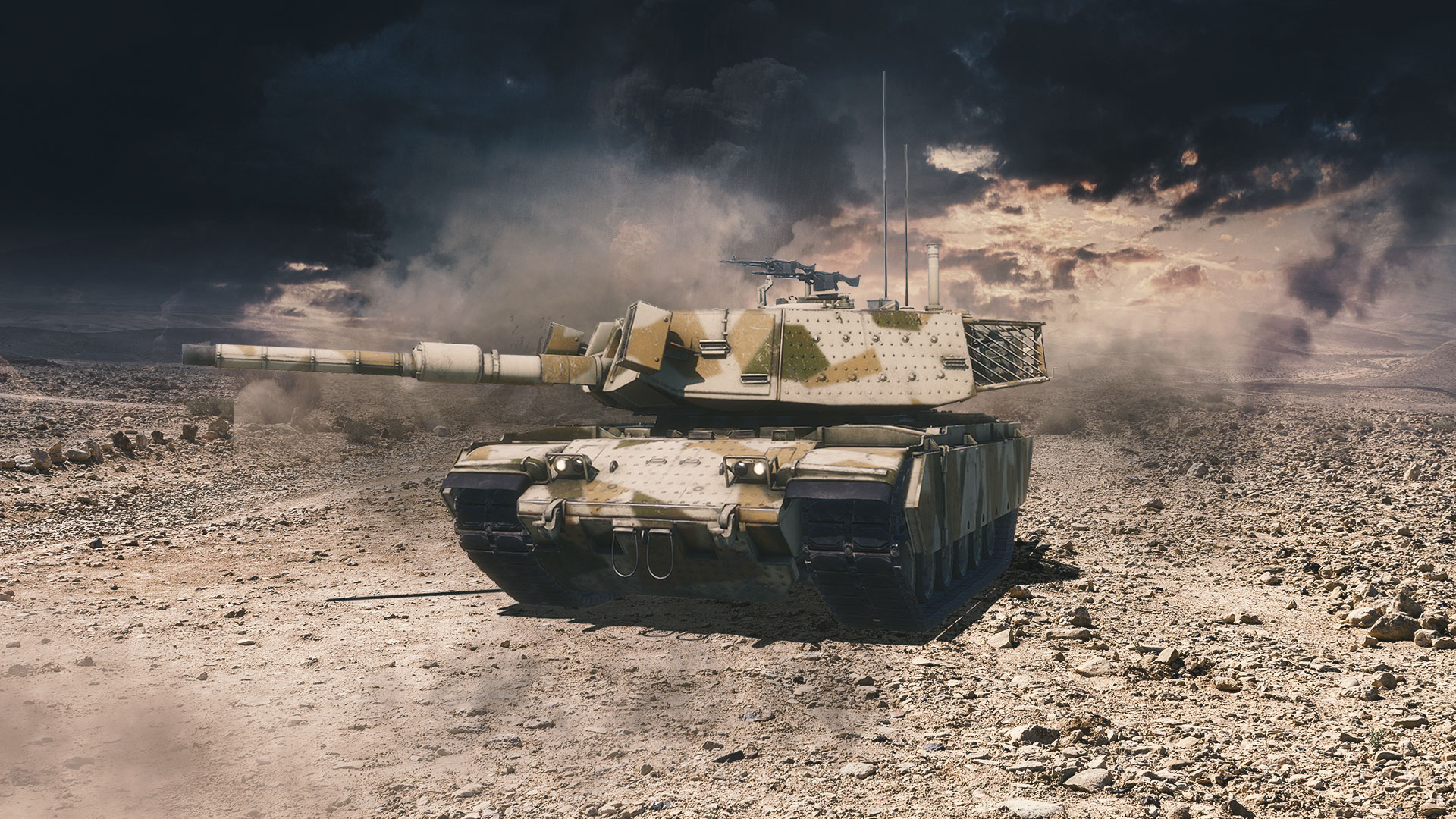
The Magach 7A is an early M60 series American tank, upgraded by the Israelis to meet the requirements of the 1990s battlefield, especially to combat the threat of anti-tank guided missiles that had started to find their way into the hands of various terrorist groups in the late 1980s. The most distinctive upgrade is its box-shaped extra turret armor. While well-protected, the tank was quite lethargic when it came to its mobility due to the use of its old engine, a shortcoming that was only corrected in the final evolution step of the Magach series, the Magach 7C. You can read more about it in a dedicated article.
In Armored Warfare, the Magach 7A is a Tier 6 Premium Main Battle Tank. With its excellent gun accuracy and aiming time values, the Magach 7A is a good sniper for its class and is perfectly suitable for those players, who want to experience long-range combat but who also want to keep some level of protection and survivability instead of completely relying on mobility and camouflage. It’s a rather sluggish vehicle, but more than a match for anything that it encounters on the battlefield.
Clicking the link below will open the game’s launcher. Please select the Market option on the left and select Armored Warfare to access this offer.
Sabre
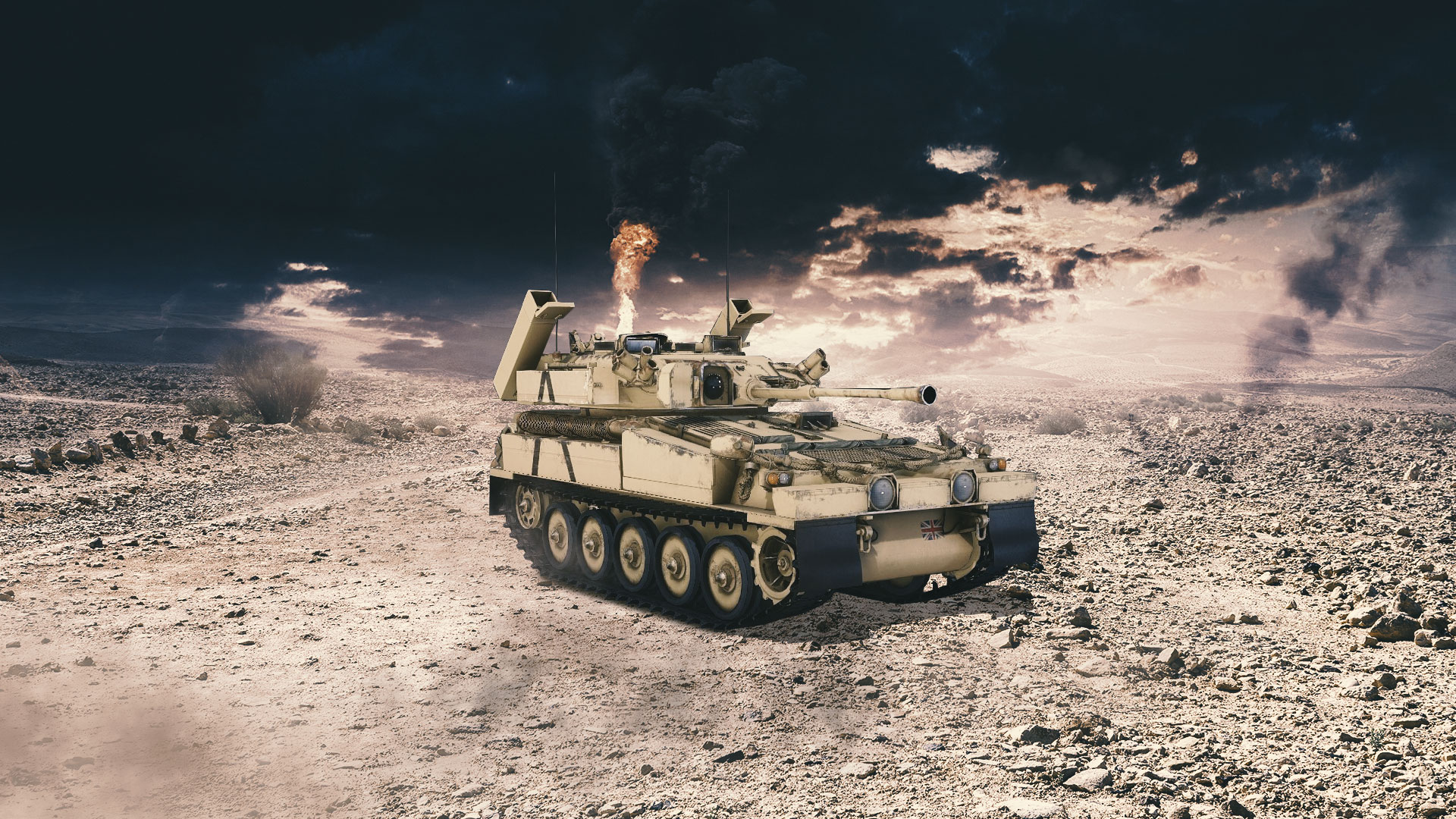
The Sabre is an interesting British recon vehicle, assembled together from older Scorpion hulls and Fox turrets after both parts were brought to zero hour state (completely overhauled) by a company called Alvis. The resulting vehicle from the early 1990s was called Sabre and, considering it was made of decades old components, it worked fairly well as a scouting vehicle, participating in the Iraq War as well as in several peacekeeping missions. You can read more about it in our dedicated article.
In Armored Warfare, the Tier 6 Sabre Premium Armored Fighting Vehicle is one of the deadliest vehicles on the battlefield thanks to its rather unique upward-aimed Swingfire missile launcher that allows it to fire over obstacles or while hidden, for example behind uneven terrain. While being quite difficult to master, this ability makes it a potent ambusher, especially in skilled hands.
Clicking the link below will open the game’s launcher. Please select the Market option on the left and select Armored Warfare to access this offer.
Challenger 1 Falcon
The Falcon is an experimental turret developed in the early 2000s in Jordan as an upgrade to the Jordanian Al-Hussein (Challenger 1) Main Battle Tanks. It's a low profile turret, armed with an automatically loaded Swiss 120mm L/50 RUAG smoothbore gun, capable of firing standard NATO ammunition. The operator controls the turret from inside the vehicle's hull, significantly improving crew protection. A prototype was built and tested, but the design was never mass-produced.
In Armored Warfare, the Challenger 1 Falcon is a Tier 8 Premium Main Battle Tank. The best word to characterize this lumbering behemoth in the game is “tough” – its excellent hull armor shrugs off most shells while the damage its low profile turret takes when it is reduced by 90% thanks to the fact the crew is not located directly in it. Despite being generally very slow and sluggish, the Challenger 1 Falcon can take tremendous punishment and is ideal for the players who prefer the British Main Battle Tank play style.
Clicking the link below will open the game’s launcher. Please select the Market option on the left and select Armored Warfare to access this offer.
Eclipse Loot Crate
The Eclipse Loot Crate is now available. This Loot Crate contains Eclipse Battle Coins and Boosters.
Battle Coins are the primary currency of the Eclipse Battle Path campaign and are used to progress through it and to obtain its prizes.
Battle Coin Boosters are usable only during an active Battle Path and increase your Battle Coin income by 900 percent for two hours.
Please note that you have to obtain the access to a Battle Path to use both items.
Clicking the link below will open the game’s launcher. Please select the Market option on the left, select Armored Warfare and then the Chest section to access this offer.
We hope that you will enjoy the offer and, as always:
See you on the battlefield!
Update 0.60.20 Now Available
Commanders!
We are happy to announce that the Update 0.60.20 is now available!
List of Update 0.60.20 Changes
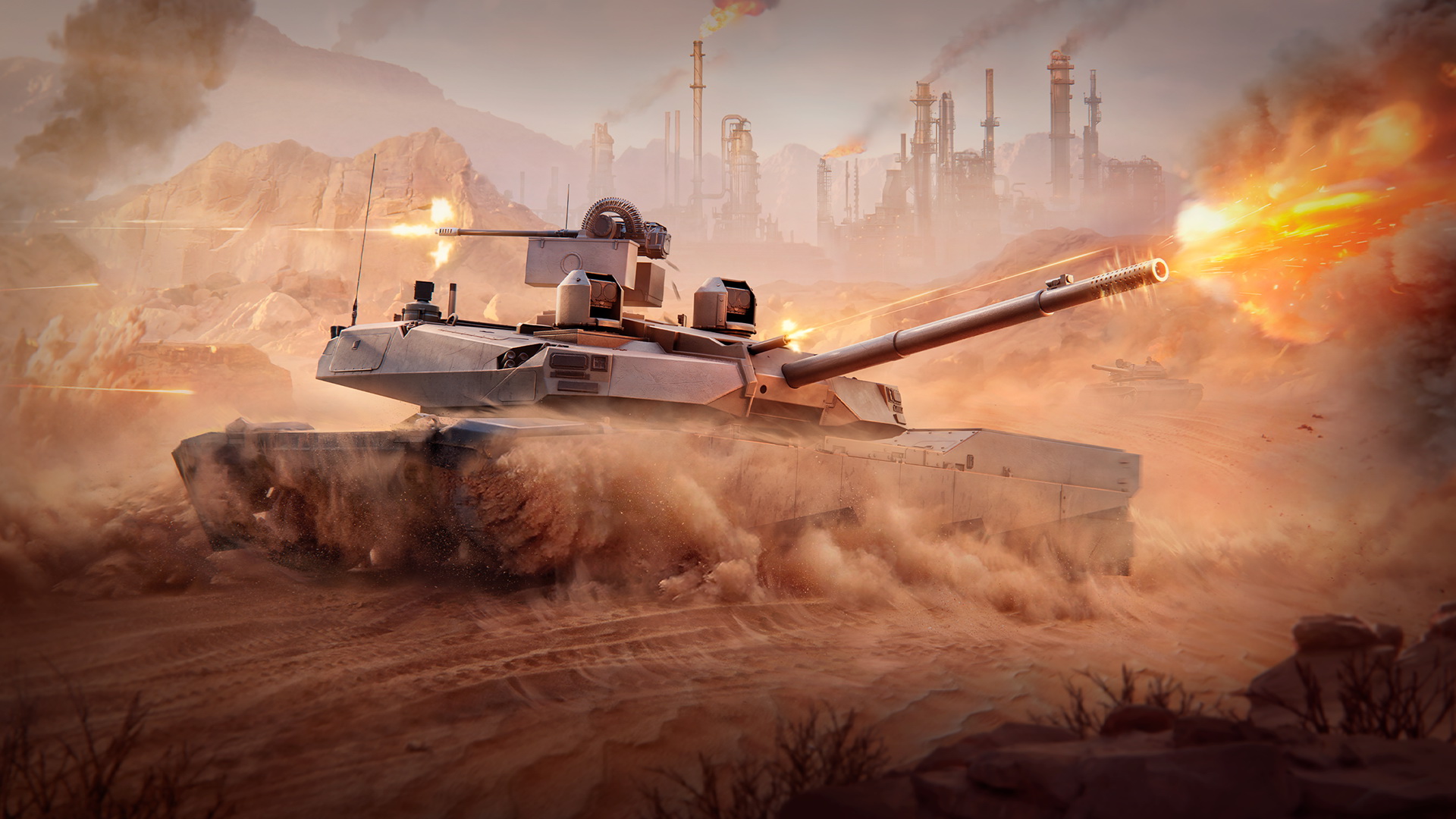
AbramsX Autocannon Fix
The AbramsX roof-mounted 30mm autocannon now has a separate reticle that allows you to fire over obstacles. You can read more about the system in our dedicated article.
General Changes
Extended the Eclipse Battle Path to November 16
Fixed an issue where the Battle Path Level 59 prize – flag unlock – was sometimes not compensated correctly (correct compensation is 25.000 Battle Coins)
Special Operation Death: Fixed a place where players could drive out of the map at F2 (the “gate bypass” exploit) – second attempt
Added a warning for situations where players attempting to buy items in the Battle Path magazine fail to do so because the stock refreshed during the process – second attempt
Fixed some small localization issues
Added some assets for upcoming events
Server Maintenance
On the 21st of September 2023, starting from 8:00 CEST, the server will not be available for 4 hours due to a planned server maintenance.
Please note that the maintenance can be extended beyond the abovementioned timeframe. We apologize for the inconvenience.
In Development: Puma
Commanders!
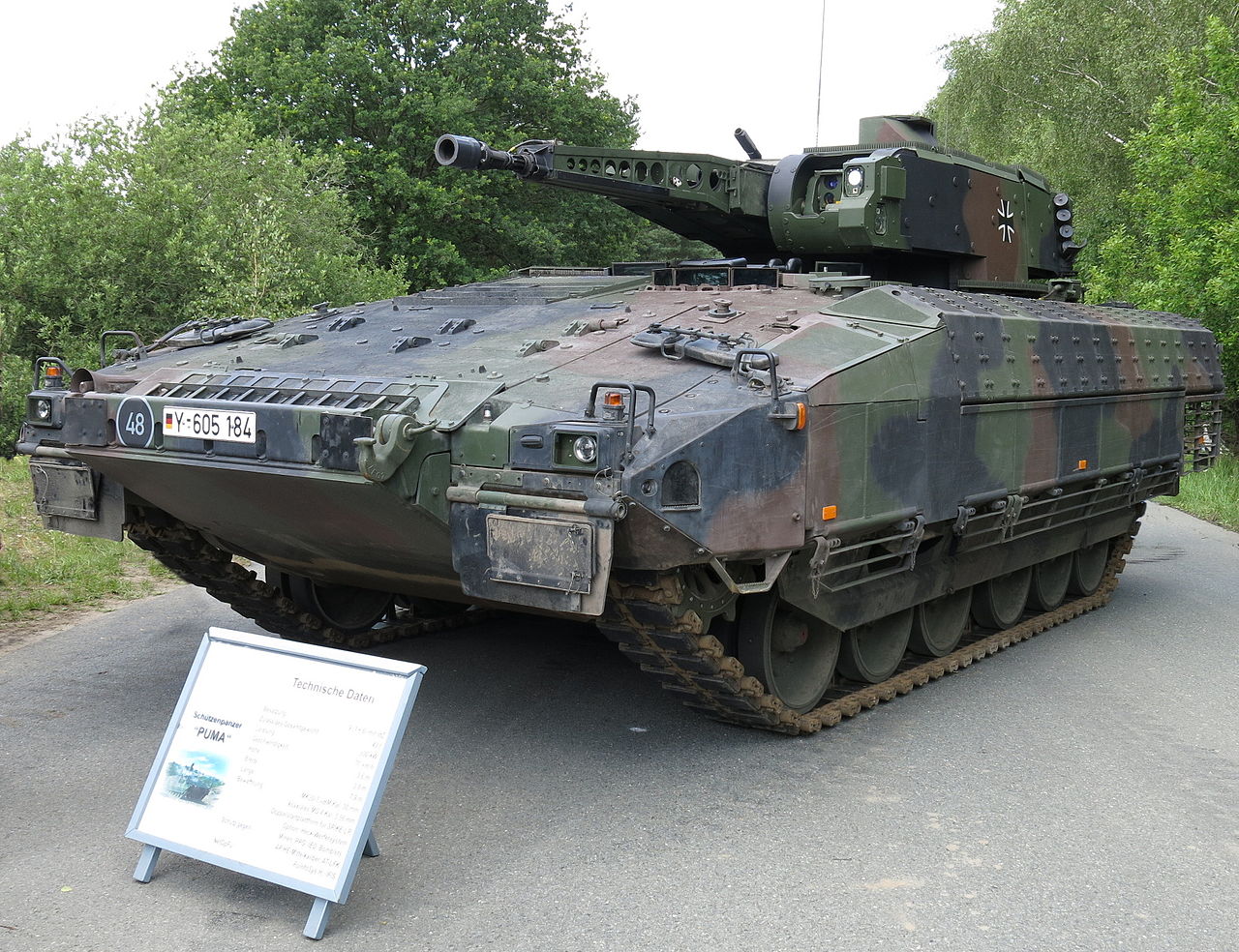
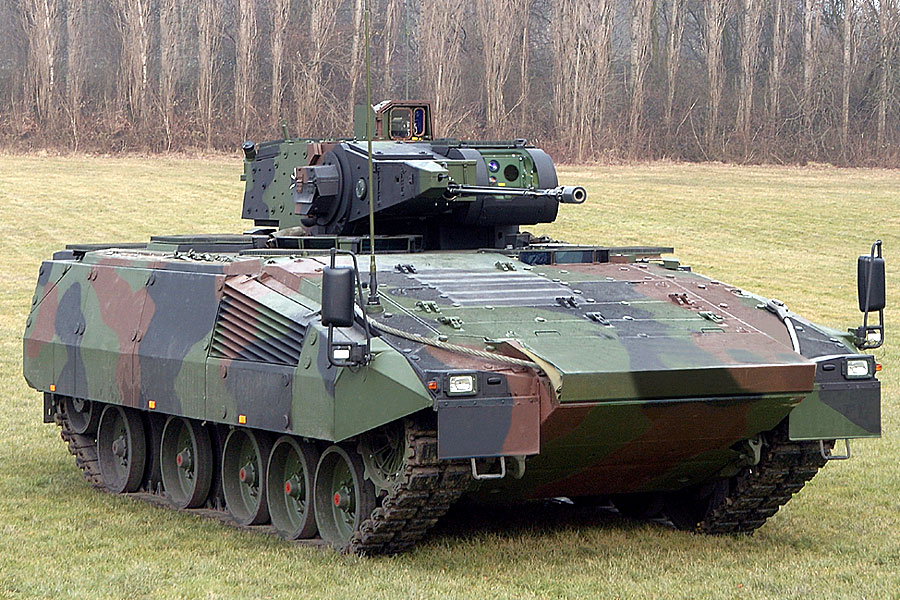
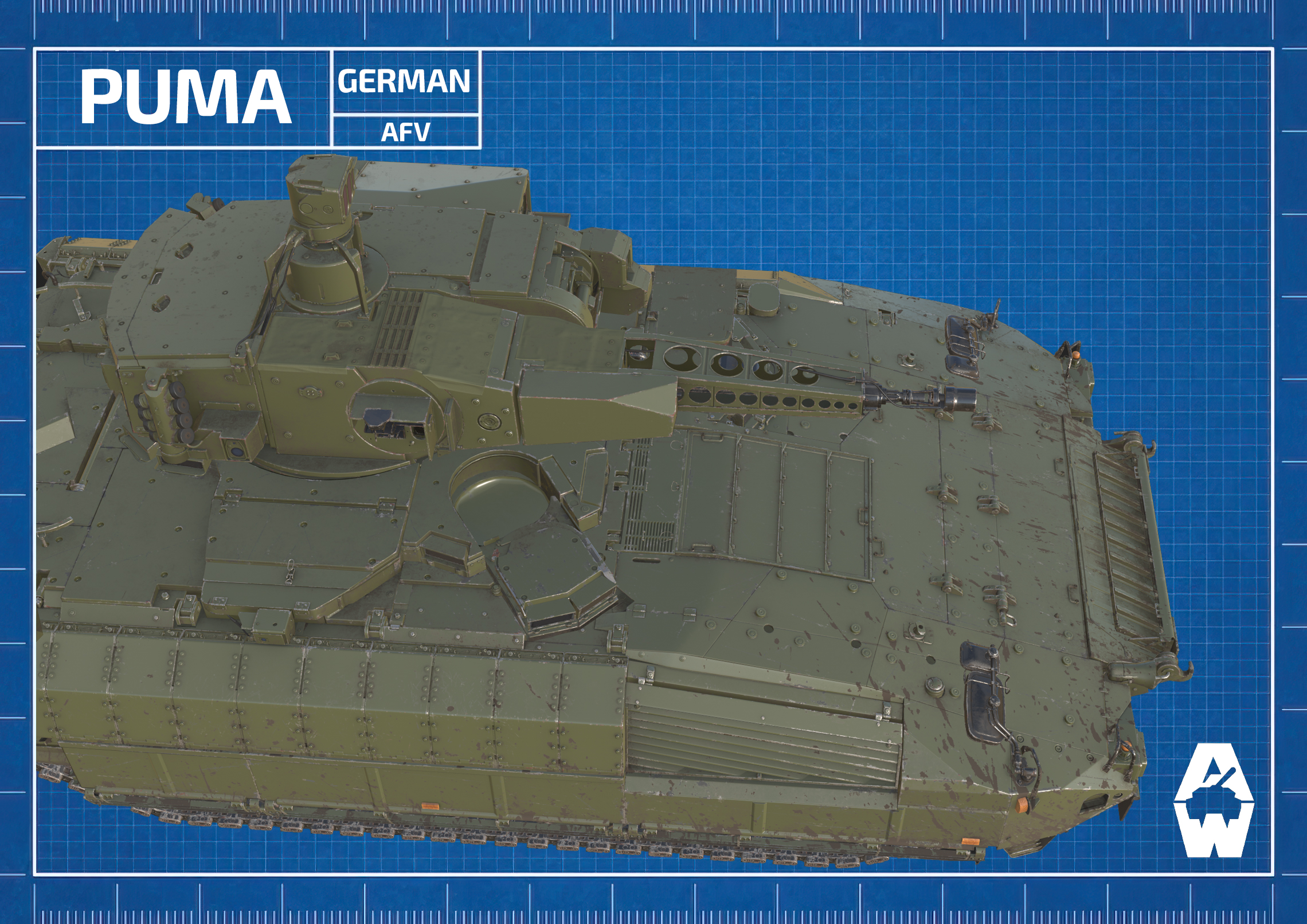
As the “Eclipse” Battle Path slowly enters its final month, we’d like to start telling you more about the next Battle Path we have in store for you – this one will be called “Exile” and the first vehicle that will appear as a prize (not the top prize, mind you) will be the long-awaited Puma Tier 10 Premium AFV.
As usual, a little history first. The Puma is the current most modern Infantry Fighting Vehicle of Germany’s military, the Bundeswehr. In a way, its history started where the Marder 2 left off.
After the unification of both Germanys and the enormous expenses that came with it along with the collapse of the Soviet Union and its threat to Europe, the Bundeswehr of the 1990s found itself without modern equipment. By then, Russia was just a shadow of its former power and its conversion to open market capitalism was seen as a far likelier option to its re-militarization. That was why most German military projects were either cancelled altogether or moved forward at a glacial pace.
Despite these circumstances, there was some progress and by the mid-1990s, Germany recognized once again the obsolescence of its hundreds of Marder IFVs. The Puma project started as an off-shoot of an older NGP unified platform project which (as these multi-vehicle platform plans often tend to) ended unsuccessfully in 2001. Both projects ran in parallel for a while since the “Neuer Schützenpanzer” one (the Puma one) was launched in 1998 (originally under the codenames Panther and Igel – Hedgehog in German).
The original specs called for a heavy IFV with excellent crew protection with less emphasis put on the vehicle’s weight – after all, it was intended for Europe, not to be flown around the world. The September 11 attacks changed that and a weight cap of 32 tons was added to the requirements along with the vehicle being possible to transport via an Airbus A400M plane. In other words, size restrictions were imposed on it as well. After a bit of flip-flopping from the government side (including the considerations of buying a fleet of CV90s), the development (including the new requirements) took off in earnest roughly around 2002 with a contract between the government, Rheinmetall and KWM, which called for a delivery of a demonstrator in 2005 and pre-series vehicles in 2006.
The original amount the contract was working with was 405 vehicles in total, not enough to completely replace the Marders but enough to relegate them to secondary roles.
By 2006, the pre-production vehicles were indeed delivered and the testing began. It uncovered some rather serious issues with drivetrain, which led to delays in signing of the production contract as well as some rather serious concerns from the government. The objections were, however, overruled and the 405-vehicle contract (worth 3.1 billion EUR) was confirmed in 2009.
By 2012, more issues arose as the price of the program kept rising. During the parliamentary discussion of the topic, it was revealed that the projected costs were actually double of the original amount (5.99 billion EUR). The same year, the contract was reduced to 350 vehicles.
In the meanwhile, the early 10 production Pumas were undergoing a series of trials, which revealed new teething issues. It took some time for them to be fixed but by 2015, the vehicle was ready to be accepted for service with the Panzergrenadier (Mechanized Infantry) units. The production continued at a somewhat steady pace and by 2019, a new production run of 210 vehicles was announced. In December 2022, the Bundeswehr had roughly 350 operational Pumas.
But it wasn’t all sunshine and roses – not by a longshot. In short, Pumas had – and still have – issues. Reliability problems were cited as the most common, reaching the point where the Bundeswehr announced on March 18, 2021 that a large chunk of Pumas was not operational, affecting even the elite of the NATO – the VJTF (Very High Readiness Joint Task Force). It seems that these problems were known for quite a while and only got out to the public when the situation became critical.
Another problem was that the Puma was – and is – expensive. Really expensive. It’s one of the most expensive IFVs out there, which did not help the attempts to export it in the slightest. So far, the Bundeswehr is the only military using the Puma – but not for the lack of trying. The Puma was marketed without success to the following countries:
Australia (retired from the Land 400 contest that was later won by the Redback)
Canada (acquisition cancelled)
Chile (allegedly way too expensive for South America)
Croatia (lost to the American M2A2 ODS)
Czech Republic (fared poorly in testing, lost to the CV90)
Hungary (lost to the Lynx)
In the meanwhile, during a December 2022 exercise, all of the 18 Pumas involved broke down (mostly due to electronics issues), an embarrassing result by any standard. The abovementioned issues led to a temporary pause on the German contract of 210 vehicles, which was subsequently reduced in May 2023 to 50 Pumas delivered between 2025 and 2027. As of now, there aren’t enough operational Pumas to meet Bundeswehr’s requirements and the relatively obsolete Marder continues to serve.
Despite all these setbacks, the Puma is a cutting-edge vehicle using the latest IFV trends to protect its crew. It has a crew of three and can carry six men. The whole crew sits in a separate compartment and the turret is unmanned, offering very high protection even without the full armor kit that can be removed for air transportation – this is the Level A config. The Level C config is the full high-intensity battlefield kit featuring additional AMAP-B composite armor and AMAP-SC ERA kit. In case you are wondering, Level B was supposed to be something inbetween intended for railway transportation but since Level C meets the railway requirements as well, it was scrapped.
Level A (basic armor) offers protection from 14.5mm machinegun rounds only while Level C provides protection against 30mm autocannon rounds and heavy shaped charges both frontally and on the sides. The roof is also reinforced to withstand lighter mortar rounds and drone attacks. The Puma also offers significant protection from mine and IED blasts. And then there’s the MUSS soft-kill APS that launches smoke grenades when it detects an ATGM launch. In short, the Puma is one of the best-protected IFVs on the planet.
The firepower is also adequate with its unmanned turret armed with a 30mm autocannon and a launcher for two Spike-LR guided missiles. The autocannon can fire programmable ammunition as well as armor piercing one. The autocannon is belt-fed, providing the option of continuous fire. The fire control system is cutting edge of course, although the details aren’t publically available.
The vehicle offers good mobility thanks to its solid MTU V10 892 diesel producing 1088hp, more than enough even for the Level C configuration that weighs some 43 tons. Its maximum road speed is around 70 km/h. And last but not least, there are multiple situational awareness systems including a 360 degree camera system that allows the crew to see the surrounding environment.
In Armored Warfare, the Puma will be a Tier 10 Premium Armored Fighting Vehicle.
Gameplay-wise, we will tune the Puma to become a solid vehicle for our PvE. After all, new PvE challenges are on the horizon and a reliable, well-protected AFV with good sustained firepower will come in handy.
And that’s exactly what the Puma is – it won’t feature any special or situational features, it’ll just be a good, well-protected machine capable of laying down fire with its 30mm autocannon.
Protection-wise, we’ll be basing our Puma on the Level C configuration of course, which means powerful frontal and side composite armor and ERA (or NERA, this is something we’re still looking into). In other words, the frontal protection and the side protection will be the same, which is rather new for Armored Warfare. On the downside, it’s not like the armor will match that of an MBT. Resistance to 30mm shells is roughly what you can expect along with a rather tame soft-kill APS.
It’s worth noting we tried to model the famous Hedgehog armor (Igelpanzerung) on top but the model was just killing the game’s performance since it had too many polygons and a low polygon version looked terribly. In the end, we decided to model additional steel plates in its stead, so the in-game Puma will have the solid top protection you are likely expecting from it.
Another interesting topic is the weapons and the unmanned turret (which will of course take reduced damage). The Puma will be capable of continuous fire, making the Spike LR launchers more or less secondary. It’ll be a convenient vehicle to use (expect -15/+45 depression and elevation) with a reasonable rate of fire which we are still deciding on. One option is a high damage/low ROF combo, which would be the realistic choice since the Puma gun fires at roughly 200 rounds per minute. The other option is a low damage/high ROF combo (think 450-470 rounds per minute), which would be unrealistic but offer higher in-game consistency (since we wouldn’t need to introduce overbuffed 30mm shells).
What is decided, however, is that the Puma will not use magazines – the gun will overheat when fired continuously to regulate its damage per minute output (this is where the missiles come in handy) but the whole concept resembles more Marder 2 than, say, the Skyranger. The Spike ATGMs will be sufficient for Tier 10 as well – tandem HEAT with fire and forget option, two launch tubes with two seconds between launches followed by a longer reload.
The mobility will be average, as will the camouflage. The Puma will have excellent viewrange thanks to its advanced electronics – think 460 meters. And that’s about it, except one more potential trick up its sleeve.
For the release of the next Battle Path, we are developing a new infantry type and the Puma will have it too. We aren’t sure we’ll be able to make it for the release (in which case it’ll be added later) and we do not have a prototype to show you just yet, but we do hope you’ll like it.
All in all, there will be three level progression vehicles in the next Battle Path – the Tier 10 Puma (which is the middle prize), an earlier prize and the Tier 10 top prize. There will not be any overprogression levels in the Exile Battle Path and yes, the level prices will be tuned down again, which means you’ll be able to obtain the Puma fairly easily.
Finnish bundle with a real-life Finnish camouflage and epic titles
Norwegian bundle with real-life Scandinavian camouflages and unit insignia
Danish bundle with real-life Danish camouflage and base paint
Camouflage Loot Crate with Spirithaven Raid skins
Battle Coins
Between September 14 and 21, 2023, the following items will be available:
Stridsvagn 2000
The Stridsvagn 2000 was to be Sweden’s next Main Battle Tank, designed to combat Soviet super-tanks such as the Black Eagle. For its time, the project was nothing short of revolutionary with extremely thick frontal armor and a powerful 140mm gun that could take on literally anything in its day. However, the Soviet threat dissipated with the collapse of the Soviet Union, which pushed Sweden to seek a cheaper solution to its tank problem, namely the Leopard 2 MBT. You can learn more about it in our dedicated article.
In Armored Warfare, the Stridsvagn 2000 is a Tier 10 Premium Main Battle Tank that represents the essence of practicality. Solid armor, decent mobility and excellent damage over time output make this tank one of the most versatile tools you can have in your arsenal, equally capable in PvP and PvE. Aside from its advanced NERA armor, the Strv 2000 features a coaxial 40mm autocannon. The key to success is switching between both weapon systems and maximizing your damage output while your NERA armor eliminated one enemy shell after another.
The Stridsvagn 2000 MBT is available in our Web Shop via Loot Crates. Collect 100 blueprint pieces from these crates to obtain the vehicle.
CV90120 Ghost
The CV90120 “Ghost” Light Tank was a Swedish demonstrator based on an earlier fire support model of the CV90120. As its name suggests, the vehicle is armed with 120mm smoothbore cannon but that’s the least interesting on its features. The Ghost is named after a special camouflage system called ADAPTIV that's capable of masking the bulky tank in the IR spectrum so well it disappears from enemy screens – like a ghost. You can learn more about it in our dedicated article.
In Armored Warfare, the CV90120 Ghost is a Tier 9 Premium Light Tank. Depending on your choices, it can be configured two ways – as a fast hit-and-run Light Tank using the combination of a Ready Rack and its excellent mobility, or as a stealthy sniper using the ADAPTIV system and the upgraded ammunition. While you won’t be as stealthy as dedicated Tank Destroyers or small AFVs, you’ll still be able to do a lot of damage from behind the safety of your lines.
Clicking the link below will open the game’s launcher. Please select the Market option on the left and select Armored Warfare to access this offer.
CV90 Mk.IV
The Swedish CV90 Mk.IV IFV is the most modern version of the old but constantly developed CV90 platform. Since its introduction in the early 1990s, the vehicle was upgraded so much that this 2018 model bears little resemblance to the three decades old original, featuring cutting edge electronics as well as a brand new turret. You can learn more about it in our dedicated article.
In Armored Warfare, the CV90 Mk.IV is a Tier 8 Premium Armored Fighting Vehicle. It is a durable and reliable infantry carrier capable not only of dealing tremendous damage with its 50mm autocannon, but of launching powerful Spike missiles as well. In addition to that, it’s relatively well-protected and can also carry Mechanized Infantry. What’s there not to like?
Clicking the link below will open the game’s launcher. Please select the Market option on the left and select Armored Warfare to access this offer.
CV90105 TML
The CV90105 TML from the 1990s was one of the first attempts to convert the CV90 chassis into a fire support vehicle by combining it with a French TML turret. The result was a fairly capable Light Tank with considerable firepower in the form of its 105mm GIAT gun that could successfully take out most MBTs of its time. Unfortunately, the vehicle didn’t manage to attract any customers and remained a prototype only. You can learn more about it in our dedicated article.
In Armored Warfare, the CV90105 TML is a Tier 7 Premium Light Tank. Depending on your choices, it can be configured two ways. You can opt for a more sustained firepower with the large 12-round clip – this way you need to stay behind your own team or hide in bushes, turning your Light Tank into something like a close support Tank Destroyer. Or, you can opt for the fun option of turning your CV90105 TML into a hit and run monster. Ambush an enemy, empty the magazine into his sides or rear and immediately retreat.
Clicking the link below will open the game’s launcher. Please select the Market option on the left and select Armored Warfare to access this offer.
Swedish Bundle
Despite its neutrality, Sweden is one of the premiere arms manufacturers in the world and has a powerful standing army to boot. Even though the country is not a part of the NATO, much of its vehicle fleet is compatible with western tech and the country now operates the Leopard 2 MBT (under the name Stridsvagn 122) as well as several CV90 variants. This bundle includes several camouflages tied to Sweden as well as a special player title.
Swedish Urban camouflage (as seen on various CV90 prototypes)
Swedish Flag decal
Player title “Viking”
Clicking the link below will open the game’s launcher. Please select the Market option on the left and select Armored Warfare to access this offer.
Finnish Bundle
Finland has a long and interesting history of unique relationships with its neighbors, especially with Russia. Its position of neutrality after the Second World War allowed it to buy the best from both worlds with both eastern and western vehicles used by its powerful military. This bundle includes a Finnish camouflage that will look great on your BMP-2s, T-72M1s and Leopards, a Finnish Armed Forces roundel decal as well as two player titles.
Clicking the link below will open the game’s launcher. Please select the Market option on the left and select Armored Warfare to access this offer.
Norwegian Bundle
Unlike Sweden, Norway is a part of the NATO with its units regularly taking part in operations abroad. One of the elite units of the Norwegian military is the famous Telemark Battalion of Mechanized Infantry and this bundle includes two items tied to it as well as the Scandinavian camouflages used by Norway and a Norwegian base paint, as seen on a Telemark Leopard deployed to Estonia in 2017.
Clicking the link below will open the game’s launcher. Please select the Market option on the left and select Armored Warfare to access this offer.
Danish Bundle
And last but definitely not least, we have Denmark, the army equipped with some of the best military hardware there is, including the Leopard 2A7DK Main Battle Tank. Aside from its simple but unique camouflage, this bundle contains a Danish player title, the Scandinavian base paint and a decal.