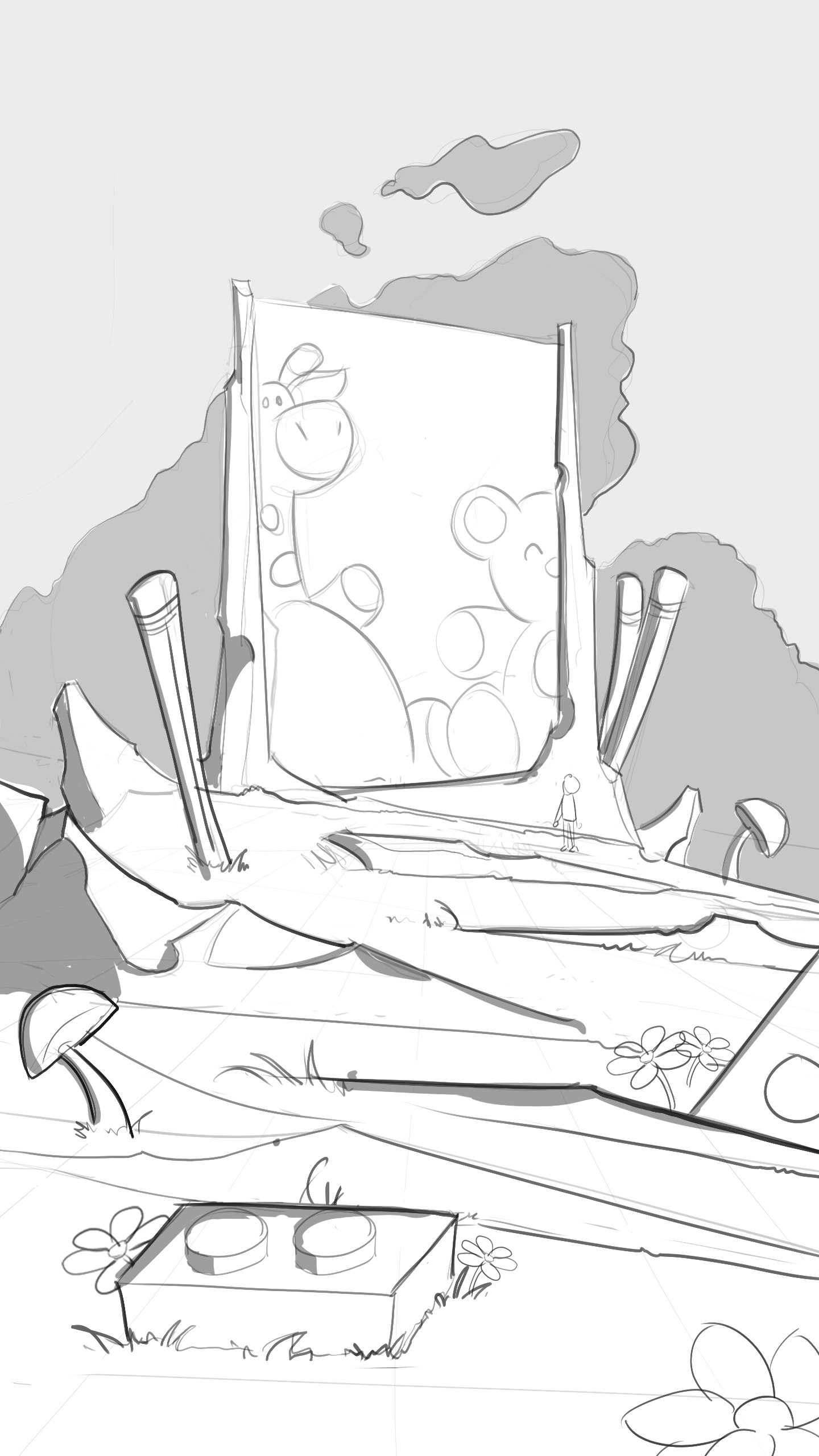
Welcome back to our devlog! Today, we'll delve into the details of our art direction, from the choice of a fresh and forest-inspired aesthetic to the incorporation of vibrant colors and larger-than-life toy structures. You'll get a glimpse into the level of detail and intricacy required to create an environment that sparks wonder and ignites the imagination.
For this zone, we imagined stepping into a world where everything is bright, colorful, and brimming with life. Toyzone is a whimsical and enchanting place that reflects the colorful days of childhood, where fun and joy are abundant at every turn. This zone serves as a manifestation of the twins' imagination, a world they yearn to be a part of. It is reminiscent of beloved theme parks for kids, where imagination knows no bounds. In Toyzone, players will encounter familiar daily life items and toys from the twins' lives, bringing back a rush of nostalgia.
Toyzone is the last stop in the twins' journey. From the icy corridors of the Frozen Castle to the fantastical realms they've explored, the players have witnessed their trials and triumphs. But in Toyzone, we wanted to instill a feeling of familiarity and warmth, a reminder that their journey is nearing its completion.
To enhance the dream-like atmosphere, we incorporated interactive elements into Toyzone. We've meticulously designed and modeled a vast array of toys, ensuring that every detail is faithful to their real-life counterparts. As players venture through Toyzone, they will come across various artifacts and mementos that hold personal significance to Ben and Abi. Picture their favorite stuffed animals, well-worn storybooks, and even artwork created from their own wild imaginations. Each item serves as a thread connecting the twins' present adventure with their home and personal lives.
Aesthetically, we aimed for a harmonious blend of natural elements and playful toy-themed structures. Towering trees provide shade and add an organic touch to the landscape, while whimsical giant mushrooms and flowers serve as interactive play areas and points of interest for players to explore.. A vivid blue expanse, adorned with fluffy white clouds that seem to form familiar shapes invites the players to let their imaginations run wild. As the day progresses, the sky transitions into a palette of warm hues, as if signaling the approach of a breathtaking sunset. This dynamic sky adds a touch of magic and wonder to the overall atmosphere, amplifying the sense of awe and discovery as players navigate the zone.
Creating Toyzone has been an incredible journey for our team. We've poured our passion and creativity into designing an environment that transports players back to the carefree days of their own childhood. Stay tuned for future updates as we inch closer to the release of our game. We're excited to continue sharing our progress, insights, and experiences with you.
Best Regards, Playdew Team
Devlog#15: Introducing puzzle element - Mushrooms
Welcome! In this devlog, we'll unveil the intricate design and mechanics behind our mushroom implementation. Within our mesmerizing enchanted forest zone, these bouncy fungi serve as the gateway to reaching new heights, quite literally. So strap in and prepare to embark on a journey where mushrooms become your springboards to unimaginable adventures!
In our forest zone, you'll find mushrooms scattered on the ground, while some are cleverly growing on vertical organic walls. To add an extra layer of challenge and excitement, we've placed alternating mushrooms on nearby left and right sides of the walls, giving players the sensation of wall jumping. Each mushroom possesses a unique bounce factor, determined by its size. While some mushrooms allow you to bounce higher with a simple jump, others are massive, requiring you to find a higher ledge to reach their tops.
Implementing the player's jumping mechanics was relatively straightforward. We created a detection system that triggers whenever the player's feet touch the top side of a mushroom. Once detected, we simulate a regular player jump, but with the height of the jump varying based on the bounce factor of the specific mushroom. This allows for a satisfying and dynamic jumping experience, encouraging players to strategically plan their movements and explore the environment.
For the mushroom's bouncy animation, we employed a rigging technique within our 3D software. Multiple joints were added inside the mushroom, enabling us to create a base bouncy animation. To add an extra touch of visual interest, we included additional controls to rotate the mushroom cap left and right. With this, we created a custom Sine animation that reacts to the player's interaction with the mushroom. Depending on whether the player hits the mushroom on its left, right side, or center, the mushroom cap responds accordingly, adding a delightful visual feedback to the gameplay.
And that concludes our exploration of the marvelous Mushroom mechanics in our game! We hope you enjoyed this look into how these bouncy fungi elevate the gameplay experience in our forest zone. It's these little details that make exploring our game world exciting and engaging. Stay tuned for more.
Until next time, happy gaming!
Best Regards, Playdew Team
Devlog#14: Introducing puzzle element - Mud
Welcome back! Today, we have an enchanting tale to share with you as we delve deeper into the captivating world of our Enchanted Forest zone. Our team has been hard at work, crafting a truly mesmerizing experience that will challenge your wits and immerse you in a realm of wonder. In this devlog, we are thrilled to unveil a new puzzle element that will test your mettle: the Mud.
As we embarked on designing the puzzles for this bewitching realm, we sought to create an element that would not only align with the zone's theme but also add a unique twist to gameplay. After countless brainstorming sessions and careful consideration, we found inspiration in the natural world. Mud, being notorious for hindering movement speed, emerged as the perfect addition to our puzzle repertoire.
Our intention with the Mud element is to immerse players in a soft, squishy, and malleable experience. As you step into the mud, it eagerly embraces your feet, creating a subtle sinking sensation and a feeling of being slightly stuck. To amplify this tactile and sensory experience, we've designed the mud's surface to be uneven, causing your feet to sink in certain areas while encountering resistance in others. The mud oozes between your toes, leaving a wet, cool sensation on your skin.
To bring this idea to life, we've developed a custom physics system specifically tailored for the Mud element. By strategically placing checkpoints at both the beginning and end of the mud area, we can accurately detect when the character enters and exits this unique terrain. Upon stepping into the mud, the character's animation smoothly transitions to convey the sensation of being slightly stuck, enhancing the overall immersion. Furthermore, we've disabled jumping while the character is walking on the mud, ensuring players fully experience the distinctive challenge it presents.
Curious to see the Mud element in action? We've prepared an exciting video showcasing its mechanics. Take a look and witness the captivating interplay between our character and the mud, and how it dynamically affects their movement.
Stay tuned for further devlogs, and thank you for joining us
Best regards, Playdew Team
Devlog#13: Introducing puzzle element - Moving platforms
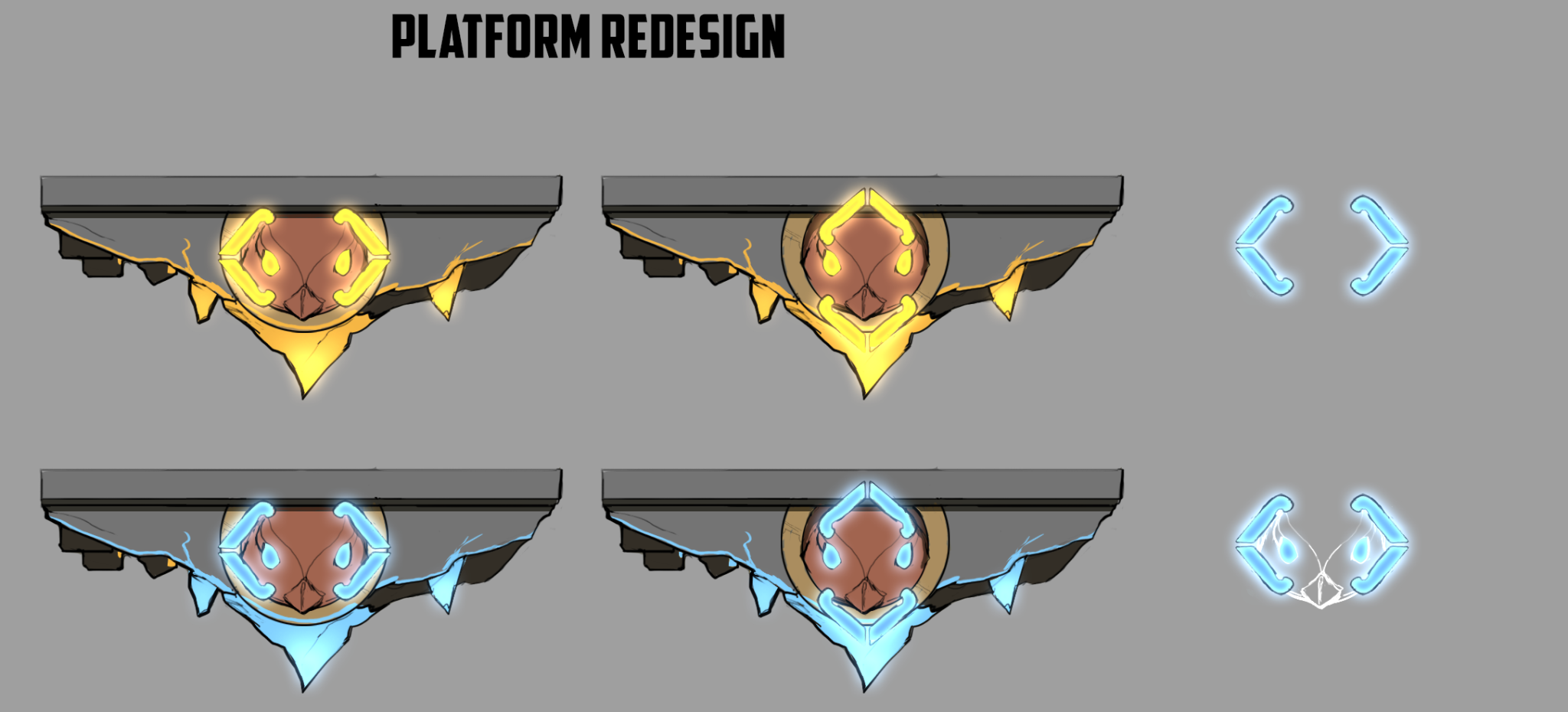
Today, we're diving into the creation of another puzzle element- moving platforms. Moving platforms play a crucial role in the game, adding dynamism and complexity to the level design. However, their implementation was not without its obstacles.
Moving platforms introduce dynamic and interactive elements to the gameplay. They are platforms that are capable of changing their position on certain triggers or player actions. These platforms add an extra layer of challenge and strategy, requiring players to time their movements and make precise jumps to reach higher areas or overcome obstacles.
We faced an exhilarating challenge in the implementation of button-activated platform movement. Each platform was designed to have a predetermined destination when the corresponding button was pressed, with the direction varying from upward movements to other directions. Upon releasing the button, the platform seamlessly reversed its course. However, achieving smooth and fluid motion for these platforms while handling collisions with environmental blocks, interactable elements, and characters proved to be a formidable task.
Our goal was to create a truly immersive platforming experience, where players could interact effortlessly with the moving platforms without any disruptions or glitches. The challenge lay in maintaining the integrity of the platform's motion while ensuring accurate collision detection and response, preventing characters and elements from becoming stuck or experiencing erratic behavior.
To address the challenge, we incorporated trigger colliders slightly larger than the platform's size. This setup allowed the platform to gradually decelerate upon encountering an obstacle, ensuring a smooth stop. If the path obstruction was removed, the platform resumed moving in its intended direction.
However, this wasn’t the end. Initially, we assumed that the character and other interactable elements would behave correctly on the platform by leveraging the standard physics engine. However, issues arose when characters stood on moving platforms. When moving vertically, the character would jitter, and when moving horizontally, the character would remain stationary while the platform continued to slide away.
To resolve the jittering and sliding problems, we implemented a system where any element or character landing on the platform's surface becomes a child object of the platform. This approach allowed the character to walk on the platform's surface while moving with it. We used a combination of OnCollisionEnter events and additional code to determine whether an element or character hit the top or bottom surface of the platform. Based on the Y position check, we could appropriately parent or unparent the character.
By implementing the parenting and unparenting mechanism, we successfully eliminated the jittering and sliding issues. Characters could now seamlessly move on top of the platform, maintaining their position relative to the platform's motion. We are delighted with the outcome of this solution, as it significantly improved the player's experience and ensured smooth interaction with moving platforms.
Thank you for joining us on this development exploration.
Best regards, Playdew team
Devlog#12: Introducing puzzle element - Dragonfly
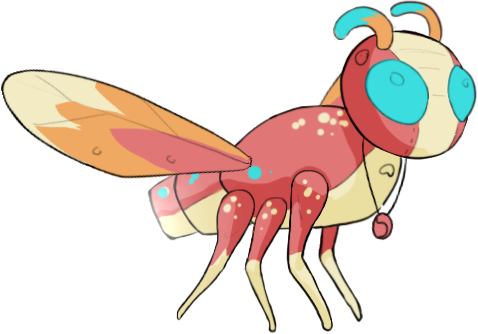
In this update, we're excited to share details about one of the most intriguing creatures in our game - the Dragonfly. As an interactive puzzle element in our forest zone, we put a lot of thought into the design, mechanics, and animations of this magical creature.
As a puzzle element in our forest zone, we explored various ideas for allowing players to fly around and reach different areas of the puzzle. Ultimately, the Dragonfly seemed like the perfect fit as it complements the forest theme.
Although the creature isn't an exact replica of a dragonfly, it's a magical creature that players can mount to travel to different areas, including separate puzzle pieces that are joined together. When players dismount, the Dragonfly returns to its original position in that level.
To see the Dragonfly in action, check out the video below.
One of the biggest challenges we faced was designing the environment in a way that doesn't allow players to break the puzzle by flying everywhere. We created many narrow passages that only players can pass through, not the Dragonfly. This restriction creates interesting and challenging puzzles for players to solve.
When it came to implementing the Dragonfly's design, we used Spine to create its rig and animations, which we then imported into Unity. By making the character a child to one of the bones near the Dragonfly's neck, we ensured that the character follows the Dragonfly's movements and animations naturally.
Take a look at the Dragonfly's animations in the video below.
From the ideation stage to its implementation, the Dragonfly has been an exciting and challenging puzzle element to develop. As always, thank you for following along with our development journey. Be sure to stay tuned for more updates as we continue to build and refine our game. Until next time!
Best wishes, Playdew
Devlog#11: Introducing puzzle element - Bridge
In developing the Enchanted Forest area of Lost Twins, our team was tasked with incorporating puzzle elements that would enhance the forest ambiance. After several brainstorming sessions, we decided to include a bridge as one of the puzzles. The broken bridge would give the impression that it is fragile and could break at any moment, but in actuality, it can only collapse when both characters have stepped onto it.
To bring our idea to life, we first constructed each section of the bridge as individual meshes. We then imported them into the Unity Engine, where we merged them together. Initially, the bridge appears intact to the user, but when both characters step onto it, each mesh detaches from the others.
To achieve the effect of a dramatic bridge collapse, we applied various physics principles such as force, torque, and gravity to the individual pieces. This caused them to collapse and fall apart when the bridge was destroyed. We also added particle effects to enhance the visual impact of the collapsing bridge.
Our team tested the puzzle element several times to ensure that it was challenging but not impossible to solve. We also took feedback from beta testers to make adjustments where necessary. Overall, the broken bridge puzzle element was a success and has been a favorite among the team.The result is an engaging and visually impressive puzzle that complements the forest ambiance and adds to the overall immersive experience of the game.
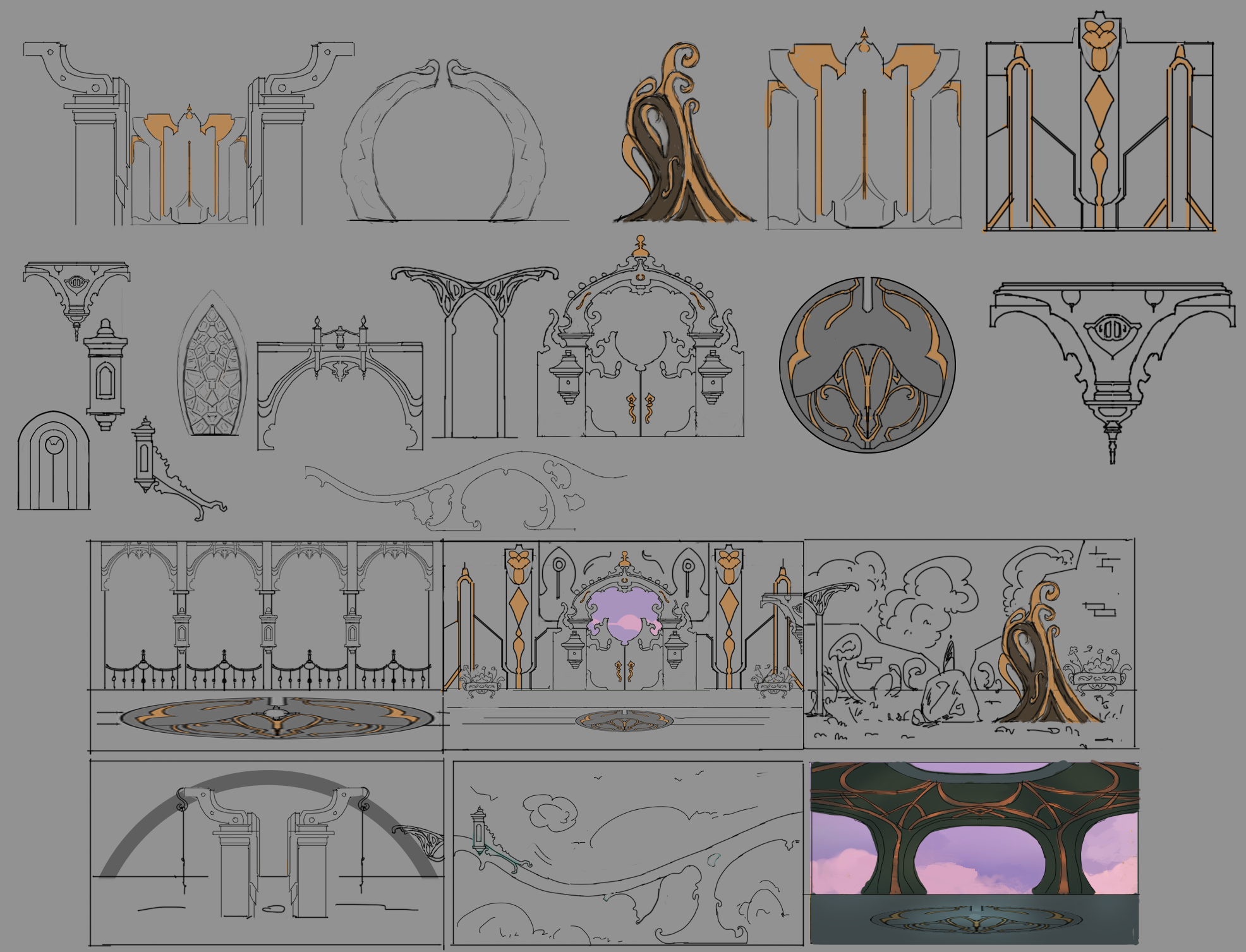
This week, we are excited to share an update on our new game environment zone - the enchanted forest which is inspired by an abandoned Chinese monastery and forest themes. Our team has been hard at work, meticulously crafting every detail to create an environment that exudes tranquility and natural beauty, transporting players to a world of warmth and joy.
For the forest zone, we were inspired by the architectural styles and layouts of Chinese monasteries, striving for a realistic representation that captures the feeling of untouched serenity. We paid attention to every detail, from the way vines wrap around pillars to the filtering of light through the leaves, to create an authentic environment that feels like it's been left untouched for years. As players progress through the game and complete the first zone, they will soon find themselves exiting through the twin doors and into an enchanting outdoor environment - a magical forest that captures the imagination and transports players to a realm of wonder and mystique.
Our goal was to create a bright, warm atmosphere that feels inviting and uplifting, incorporating an array of yellows and greens into the environment to give off a natural, sunny vibe. We chose autumn as the perfect season to achieve a harmony between the temple's decorative elements and the natural elements, creating a balance between the fallen leaves and dried-up grass tones and bringing out a feeling of familiarity after the cold environment of the previous zone. The autumn vibes create a lingering feeling of sadness of being away from home and yet a warmth and hope for new beginnings.
In this zone, we've focused on creating an environment that exudes a colorful and magical look and feel, featuring old structures, fireflies, giant mushrooms, and other items that evoke a sense of enchantment and whimsy. Players will encounter unique features as they explore the magical forest, each designed to add to the overall sense of adventure and awe. The puzzles in the zone also bring a new challenge. As players explore the environment zone, they will encounter different areas with unique features, from a peaceful courtyard with a fountain and gardens to a meditation room, where players can take a break and enjoy the serene ambiance.
Our team faced the challenge of creating a balance between the temple's decorative elements and the overgrowth of nature with temple ruins while avoiding any unnecessary distractions from gameplay. We've kept things minimal while still capturing the temple's essence, adding exciting features such as the dragonfly and mushrooms to add an element of adventure and fun to the serene environment.
We're confident that players will enjoy exploring this new environment zone, and we can't wait to share more updates in the near future.
Best regards, Playdew team
Devlog#10: Shapes Zone Concept Inspiration
Hi,
This week, we are excited to share an update on our new game environment zone - Shapes zone which is inspired by an abandoned Chinese monastery and forest themes. Our team has been hard at work, meticulously crafting every detail to create an environment that exudes tranquility and natural beauty, transporting players to a world of warmth and joy.
For the shapes zone, we were inspired by the architectural styles and layouts of Chinese monasteries, striving for a realistic representation that captures the feeling of untouched serenity. We paid attention to every detail, from the way vines wrap around pillars to the filtering of light through the leaves, to create an authentic environment that feels like it's been left untouched for years. As players progress through the game and complete the first zone, they will soon find themselves exiting through the twin doors and into an enchanting outdoor environment - a magical forest that captures the imagination and transports players to a realm of wonder and mystique.
Our goal was to create a bright, warm atmosphere that feels inviting and uplifting, incorporating an array of yellows and greens into the environment to give off a natural, sunny vibe. We chose autumn as the perfect season to achieve a harmony between the temple's decorative elements and the natural elements, creating a balance between the fallen leaves and dried-up grass tones and bringing out a feeling of familiarity after the cold environment of the previous zone. The autumn vibes create a lingering feeling of sadness of being away from home and yet a warmth and hope for new beginnings.
In this zone, we've focused on creating an environment that exudes a colorful and magical look and feel, featuring old structures, fireflies, giant mushrooms, and other items that evoke a sense of enchantment and whimsy. Players will encounter unique features as they explore the magical forest, each designed to add to the overall sense of adventure and awe. The puzzles in the zone also bring a new challenge. As players explore the environment zone, they will encounter different areas with unique features, from a peaceful courtyard with a fountain and gardens to a meditation room, where players can take a break and enjoy the serene ambiance.
Our team faced the challenge of creating a balance between the temple's decorative elements and the overgrowth of nature with temple ruins while avoiding any unnecessary distractions from gameplay. We've kept things minimal while still capturing the temple's essence, adding exciting features such as the dragonfly and mushrooms to add an element of adventure and fun to the serene environment.
We're confident that players will enjoy exploring this new environment zone, and we can't wait to share more updates in the near future.
Best regards, Playdew team
Devlog#9: Level Integration System
Hi again!
We hope that everyone has had a productive and enjoyable week, and we're excited to share our latest insights and developments with you. As always, we're committed to sharing our experiences and helping to promote knowledge-sharing within the gaming community. So without further ado, let's jump right into our latest project and discuss how we approached various challenges throughout the development process.
At the beginning of our game development process, we envisioned a collaborative effort between our art and development teams. This approach allowed the art team to take the lead in designing the entire level, by creatively integrating various environmental elements to enhance its visual appeal.
To ensure that the play area was free from obstacles, the development team provided instructions to the art team, indicating the location of the characters and puzzle elements within the level.
After the level design was completed, the art team handed it over to the development team, who were responsible for creating the gameplay scripts, character controllers, and other necessary components required to make the level playable.
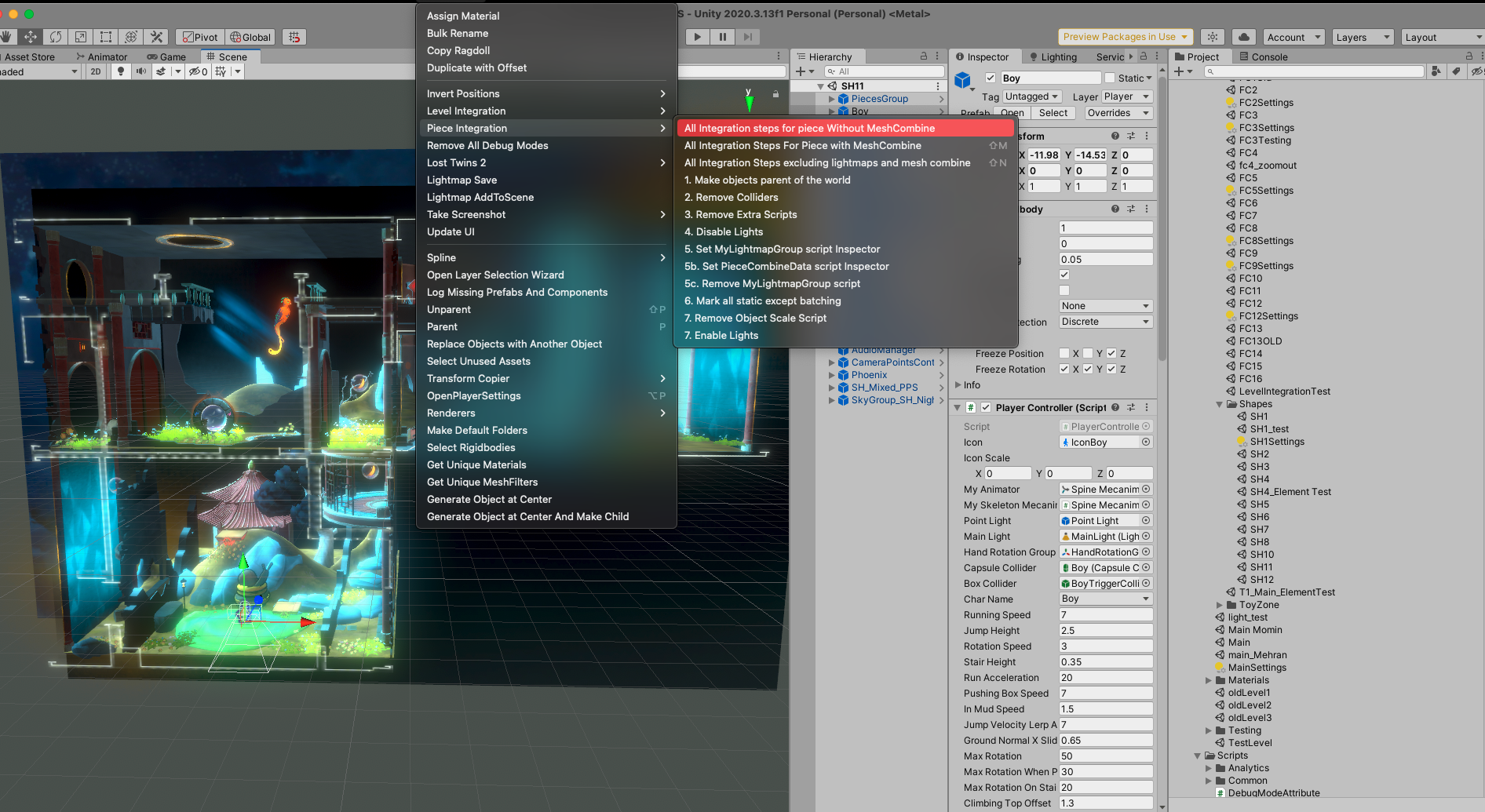
However, there were times when the level contained unwanted objects that could cause conflicts with our game architecture, such as colliders and additional cameras. To address this issue, we developed an editor script that automatically removes all unwanted objects, thereby ensuring that the level meets our game's requirements.
By utilising the editor script, we can now streamline the level integration process, which previously took up to 6-7 days, to a maximum of 1-2 days. The primary benefit of this approach is that it eliminates repetitive tasks, allowing the development team to focus on creating engaging gameplay mechanics and delivering high-quality game content.
We're always eager to hear from fellow game developers and enthusiasts, so please feel free to share your thoughts and feedback with us. Thank you for joining us on this journey and follow us on our socials.
Best regards, Playdew team
Devlog#8: Introducing puzzle element - Gates
Hi guys! We are back with another devlog. Today, we'll discuss the another puzzle element in the game -stone gates. These gates present an exciting challenge for players to solve. Let's dive in!
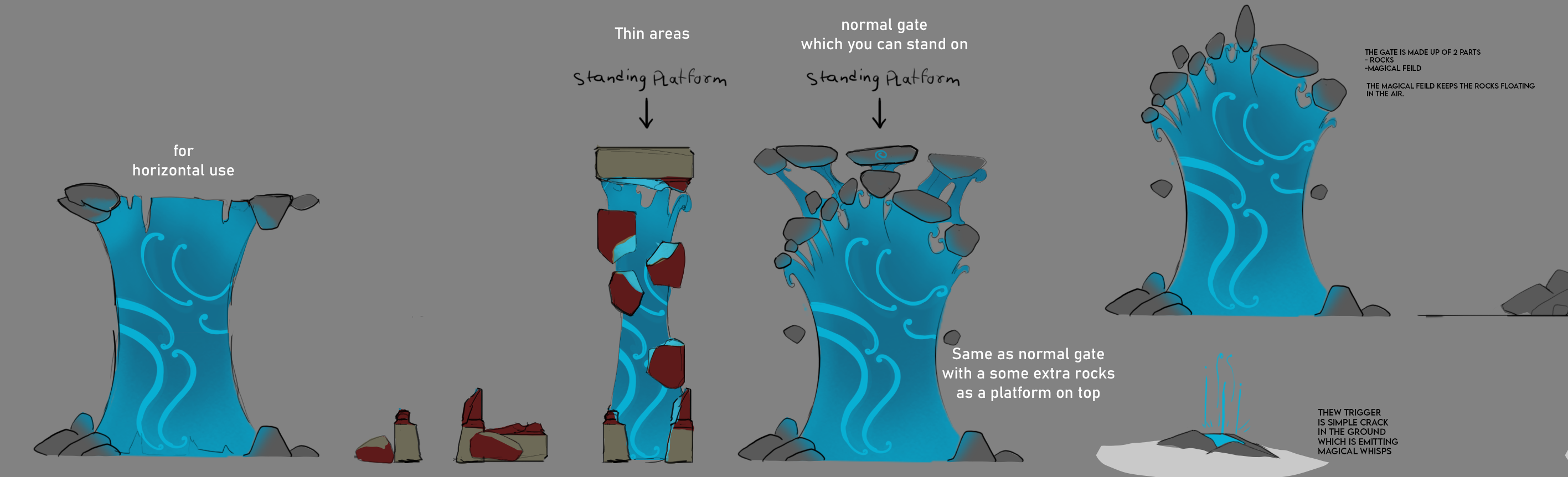
In the game, you will find various stone gates that features a remarkable force field located right at thecenter. When the gate is closed, the force field restricts passage, making it impossible for players to cross. To open the gate, players must first activate a pressure button. As they do, the gate begins to open, with the stones gradually collapsing and descending towards the ground. Simultaneously, the force field automatically deactivates, enabling players to pass through the gate. Here's an image of how we planned the concept of these stone gates.
In Unity, we utilized the Animator component to enable more flexible gate animations. However, we encountered a challenge where the gate could only move between fully opened or fully closed positions. This made it difficult to blend animations if the character disengages from the pressure button, as the gate would snap back to its previous position.
To address this issue, we introduced a parameter in the Animator controller that allowed us to adjust the gate's position progressively. By modifying the value of this parameter from 0 to 1, we were able to achieve smooth transitions in the gate animation, even if the player disengages from the button. This modification ensured that the gate would move to its final position based on its last known position, allowing for a seamless and immersive gameplay experience.
Thank you for reading our devlog. We hope you found our insights and solutions helpful and informative for your own game development projects. Keep an eye out for more updates from our team as we continue to work on enhancing the gameplay experience. As always, we welcome your feedback and thoughts. Follow us on twitter.